Unlocking Hidden Auto Value: Common Vehicles in Pull-A-Part Yards Across Georgia

Find a Local Junkyard
ALABAMA
ARIZONA
COLORADO
FLORIDA
GEORGIA
INDIANA
KENTUCKY
LOUISIANA
MISSISSIPPI
NEW MEXICO
NORTH CAROLINA
OHIO
PENNSYLVANIA
SOUTH CAROLINA
TENNESSEE
TEXAS
In Georgia, auto salvage yards are far more than final stops for aging vehicles—they’re practical, affordable gateways to keep cars and trucks on the road. If you’ve ever noticed certain makes and models showing up again and again, you’re not imagining it. Patterns do exist, and understanding them can help you source reliable, budget-friendly parts with confidence.
This guide explores which vehicles you’ll see most often at Pull-A-Part yards across Georgia, why they matter in the used-parts market, and how to make the most of our self-service model. Whether you’re maintaining a daily driver, reviving a project car, or lowering repair costs, you’ll find actionable insights to turn “junk” into value—sustainably and affordably.
Why These Vehicles Show Up—and Why It Matters in Georgia
The automotive recycling landscape is evolving as more people prioritize cost savings and sustainability. Rising parts prices and a growing commitment to eco-conscious repairs have made used components a smart first stop for vehicle owners and DIY enthusiasts alike. In Georgia, this shift is even more compelling: a milder climate often means less corrosion than in northern states, so many parts remain in usable condition for longer.
Pull-A-Part’s organized, self-service approach meets this moment with accessible inventory and transparent pricing. For customers, that means straightforward choices, less guesswork, and more opportunities to save. Understanding which vehicles are most common—and which parts from those vehicles hold the most value—helps you plan better, spend less, and keep more cars on the road.
The Most Common Vehicles You’ll Find in Pull-A-Part Yards
Across our Georgia locations, you’ll notice a familiar mix. These vehicles tend to appear frequently due to their popularity, long production runs, and broad part interchangeability. That’s good news for your budget and your build.
Sedans and Compact Cars
These models circulate widely because they’ve been best-sellers for years. They’re practical, affordable, and often share components across multiple trims and model years. That makes them a reliable source for high-demand parts.
- Why they’re common: High ownership rates and long production runs keep these cars well represented in salvage yards.
- Parts worth pulling: Alternators, starters, radiators, AC compressors, door glass, mirrors, seats, clusters, body panels, and interior trim.
- Benefits for DIYers: Broad interchange across years and trims can make sourcing faster and more affordable.
Utility and Pickup Trucks
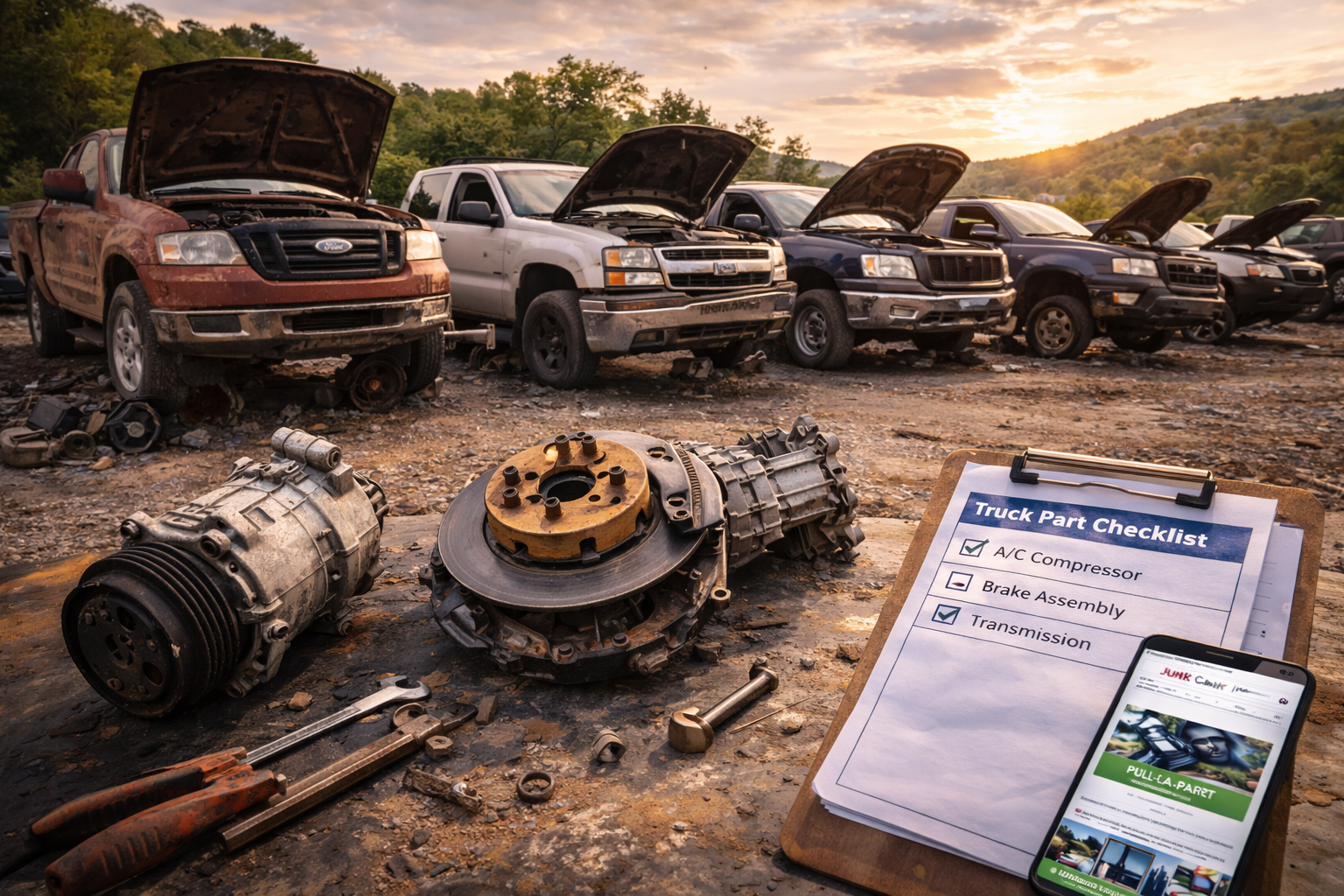
Workhorses by design, trucks often arrive with body wear but mechanically sound components. Their heavy-duty systems make them prime candidates for durable salvage parts.
- Why they’re common: Hard use over time, plus strong demand for truck parts in Georgia’s mix of urban, suburban, and rural driving.
- Parts worth pulling: Suspension components, steering parts, bed and tailgate assemblies, tow package hardware, drivetrain parts, and cooling systems.
- Benefits for DIYers: Rugged components that can extend the life of a work truck or upgrade a project build.
SUVs and Crossovers
With their surge in popularity over the last two decades, SUVs and crossovers are now a mainstay in salvage yards. They’re invaluable for modern features and family-focused configurations.
- Why they’re common: Large owner base and extensive parts overlap among platforms and trims.
- Parts worth pulling: Seats and interior components, HVAC modules, liftgates, lighting assemblies, sensors, infotainment units, and door hardware.
- Benefits for DIYers: Access to in-demand interior and electrical components that keep modern vehicles comfortable and functional.
What These Vehicles Mean for the Used-Parts Market
The prevalence of these vehicle types boosts availability and keeps prices accessible. It also supports a circular economy, where perfectly serviceable components get a second life.
- Cost efficiency: Common vehicles yield a steady supply of in-demand parts at a fraction of the cost of new components.
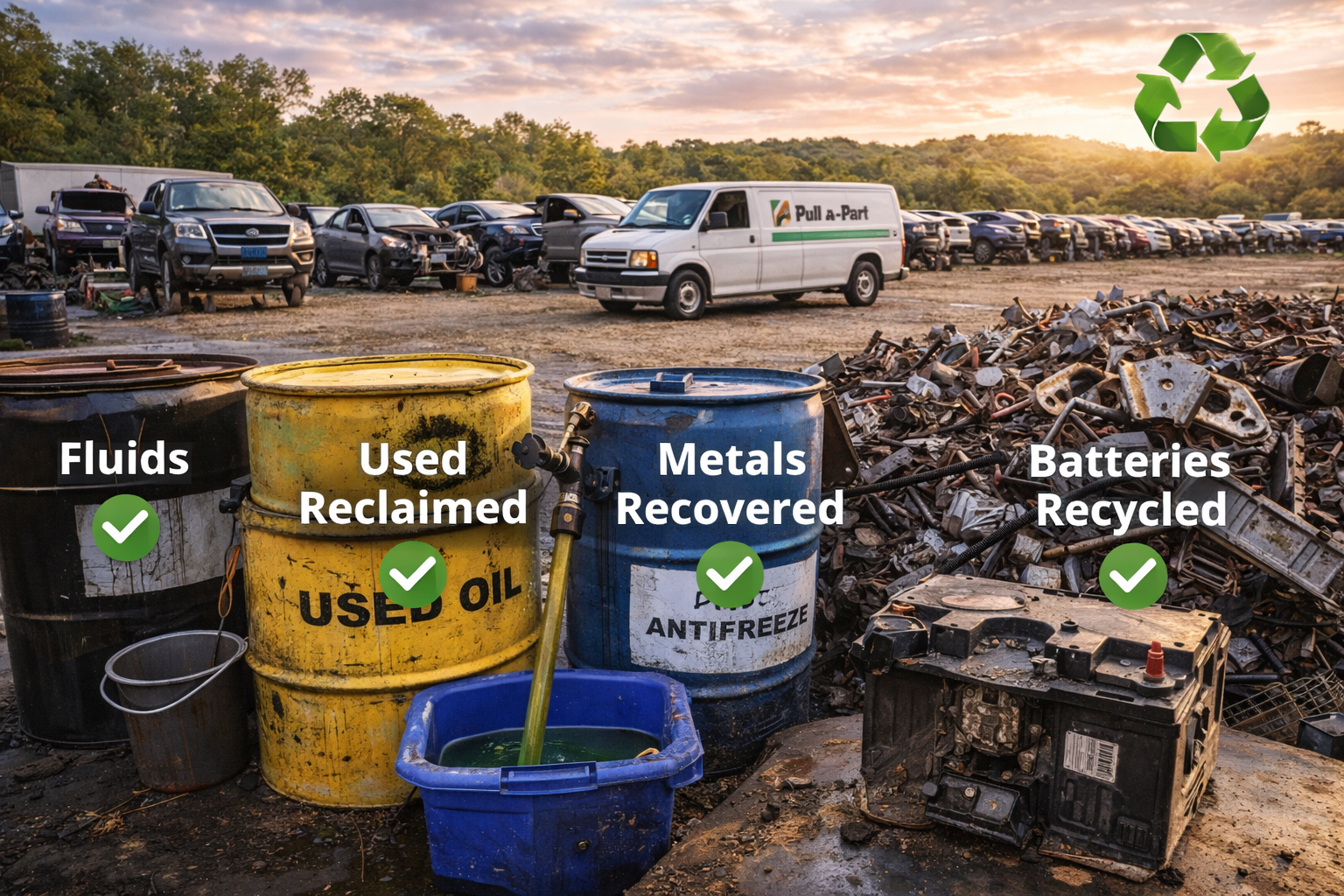
- Sustainability: Reusing parts conserves resources and reduces manufacturing-related emissions and waste.
- Quality potential: Many parts arrive in excellent condition—especially in Georgia’s climate—making them practical, reliable options for repairs.
- Interchangeability: Platforms shared across models and trims widen your options and simplify sourcing.
Bottom line: familiar makes and models aren’t just “common”—they’re the backbone of affordable, dependable repairs.
How to Unlock Savings with Pull-A-Part’s Self-Service Model
Our self-service approach puts you in control of your search, inspection, and selection, with transparent pricing and an organized yard layout. Here’s how to make the most of your visit:
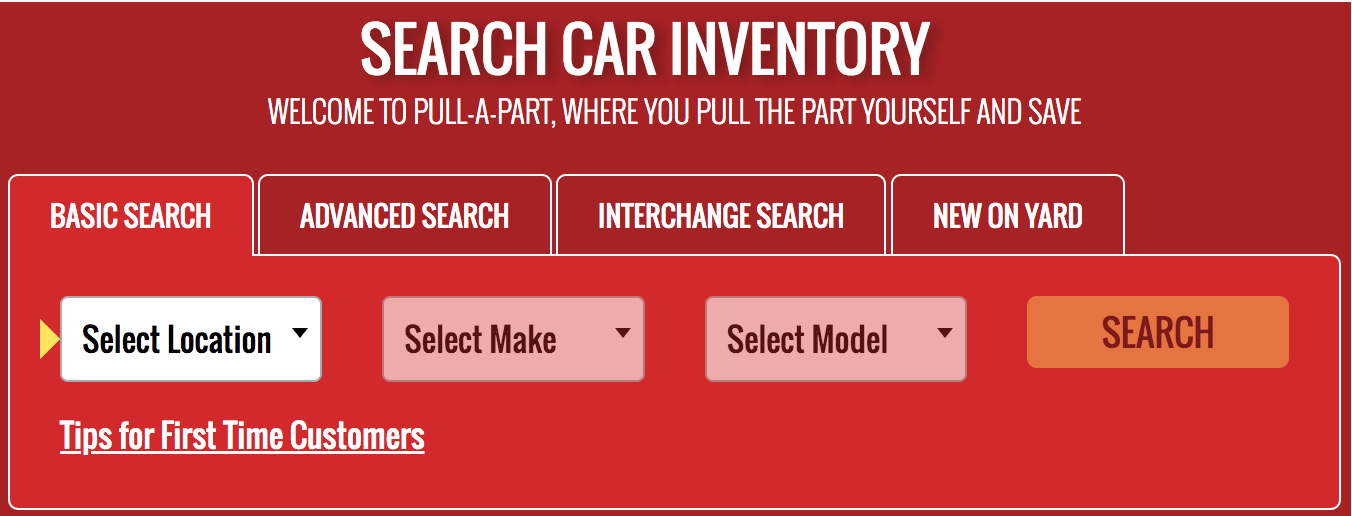
- Check inventory online: Browse your nearest Georgia location to see what’s on the yard before you go.
- Plan your fitment: Bring your VIN, part numbers, and engine/trim details. Cross-check compatibility across model years and related platforms.
- Bring the right tools and safety gear: A socket set, breaker bar, screwdrivers, penetrating oil, gloves, and eye protection cover most pulls. A multimeter can help verify electrical components.
- Inspect before you pull: Look for obvious wear, corrosion, or damage. Compare connectors and mounting points to ensure compatibility.
- Pull and price with confidence: Our clear pricing means no surprises—you pay only for what you need.
- Keep your receipt: Documentation helps if you need to verify fitment later or track what worked for future projects.
This simple process turns a yard visit into tangible savings and dependable results.
Real-World Wins and What the Data Suggests
Consider a common scenario: a Georgia DIYer restores an older sedan by sourcing essentials like an alternator, door glass, and interior trim directly from the yard. The result is a reliable daily driver revived at a fraction of the typical parts cost—and with less waste than buying new.
Industry analyses consistently show that older sedans and compact cars make up a large share of salvage inventory, often representing the majority of vehicles in many yards. Likewise, buyers frequently report double-digit savings when they choose quality used parts over new—especially on components like body panels, interior pieces, and certain mechanical items. While actual savings vary by part and model, the economic and environmental advantages are clear.
What’s Next for Georgia’s Salvage Trends
Technology and data are reshaping how shoppers find and assess parts. Expect more precise fitment guidance, better digital inventory tools, and continued improvements in quality control. As newer vehicle technologies spread—advanced driver-assistance systems, electrified powertrains, and more—organized salvage will play an even larger role in providing cost-effective replacements.
For DIYers and everyday drivers, that means easier searches, better-informed decisions, and even more opportunities to participate in the circular economy through smart parts sourcing.
Expert Perspective: How Pull-A-Part Turns Junk Into Value
From our vantage point in automotive recycling, the label “junk” rarely tells the whole story. We carefully catalog and stage vehicles so you can quickly locate and evaluate components. Our self-service model, nationwide network, and Georgia locations make it simple to find the right part, at the right price, with a process built for transparency and access.
By focusing on the most common vehicles—and the parts people need most—we help drivers stretch their budgets and reduce environmental impact. It’s a practical formula: organized yards, straightforward pricing, and a customer-first experience that turns yesterday’s car into today’s solution.
Key Takeaways
The “common” vehicles in Pull-A-Part yards are anything but ordinary. They’re the foundation of a smarter, more sustainable approach to maintenance and repair—where you get quality components, keep costs in check, and reduce waste. By understanding what shows up most often and why, you unlock practical ways to repair, restore, and keep your vehicle running longer. Partner with Pull-A-Part to turn insight into action and make your next project more affordable, more sustainable, and more successful.
- Georgia salvage yards feature a steady supply of sedans, compact cars, trucks, and SUVs—an advantage for affordability and availability.
- These vehicles provide reliable sources for high-demand components, from electrical and interior parts to suspension and drivetrain pieces.
- Pull-A-Part’s self-service model empowers you to inspect parts firsthand, verify fit, and pay only for what you need.
- Choosing used parts supports sustainability and can significantly reduce repair costs compared to buying new.
- With evolving tools and trends, finding the right part is becoming easier, faster, and more precise.
- Ready to Find the Parts You Need?
- Explore Pull-A-Part locations across Georgia, check current inventory, and plan your visit to start saving today. Whether you’re pulling affordable parts, selling a junk car, or shopping for a budget-friendly vehicle, we’re here to help—turning junk cars into value, one part at a time.