Auto Recycling in Georgia: How It Works and How to Recycle Your Junk Car
Ask AI About Pull-A-Part
TO TURN YOUR JUNK CAR INTO CASH
Get the phone number to a location near you by enterging your zipcode.
Find a Local Junkyard
ALABAMA
ARIZONA
COLORADO
FLORIDA
GEORGIA
INDIANA
KENTUCKY
LOUISIANA
MISSISSIPPI
NEW MEXICO
NORTH CAROLINA
OHIO
PENNSYLVANIA
SOUTH CAROLINA
TENNESSEE
TEXAS
Pull-A-Part | Apr 12, 2026
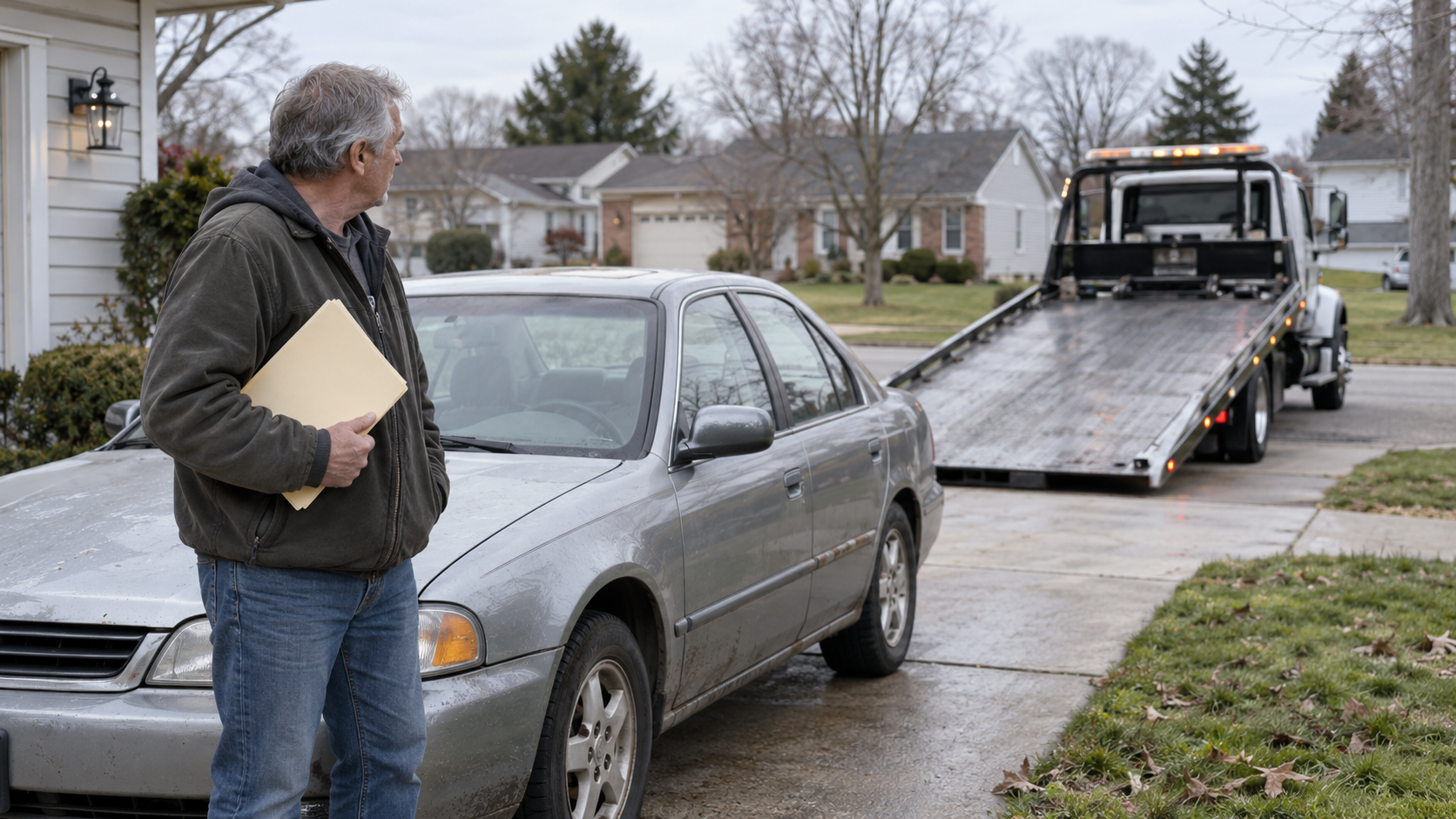
If you have an old car sitting in a Georgia driveway that won't pass inspection, isn't worth fixing, or simply won't start, you have better options than letting it rust. Auto recycling turns that vehicle into reusable parts and recovered metal instead of waste, and handling it the right way keeps harmful fluids out of the soil and waterways near your home.
This guide explains what auto recycling in Georgia actually involves, why it matters, and the practical steps to recycle a junk car the right way, including the title, license plate, and registration paperwork the state expects you to handle. By the end, you'll understand how the process works, what you're responsible for, and how to decide between recycling, selling, or replacing your vehicle.
Why auto recycling matters for Georgia drivers
A junk car is more than an eyesore. Vehicles hold several fluids that are hazardous if they escape, including motor oil, gasoline, coolant, brake fluid, transmission fluid, and battery acid. When a car is abandoned or taken apart carelessly, those fluids can seep into the ground or wash into nearby streams, and even slow, small leaks add up over time. Responsible recycling captures these materials before they become a problem.
Recycling also makes good practical sense. Steel and aluminum recovered from old cars can be reused instead of mined and manufactured from scratch, and usable parts get a second life on the road. That last point matters for budget-conscious drivers: when good parts are pulled and resold instead of crushed, repairs cost less for everyone.
What actually happens when a car is recycled
Recycling a vehicle is more involved than scrapping it for metal. A responsible recycler works through roughly three stages.
- De-pollution first. Licensed recyclers are required to drain and capture hazardous fluids and remove items such as the battery, tires, and refrigerant before a vehicle is dismantled.
- Parts recovery and reuse. Usable components are identified and made available so other drivers can buy them instead of paying for new parts.
- Metal recycling. Once the useful parts and fluids are removed, the remaining shell is crushed and the metal is recycled.
This is the model behind a self-service salvage yard, where the car's value is unlocked piece by piece rather than sent straight to a crusher.
How a self-service junkyard fits in
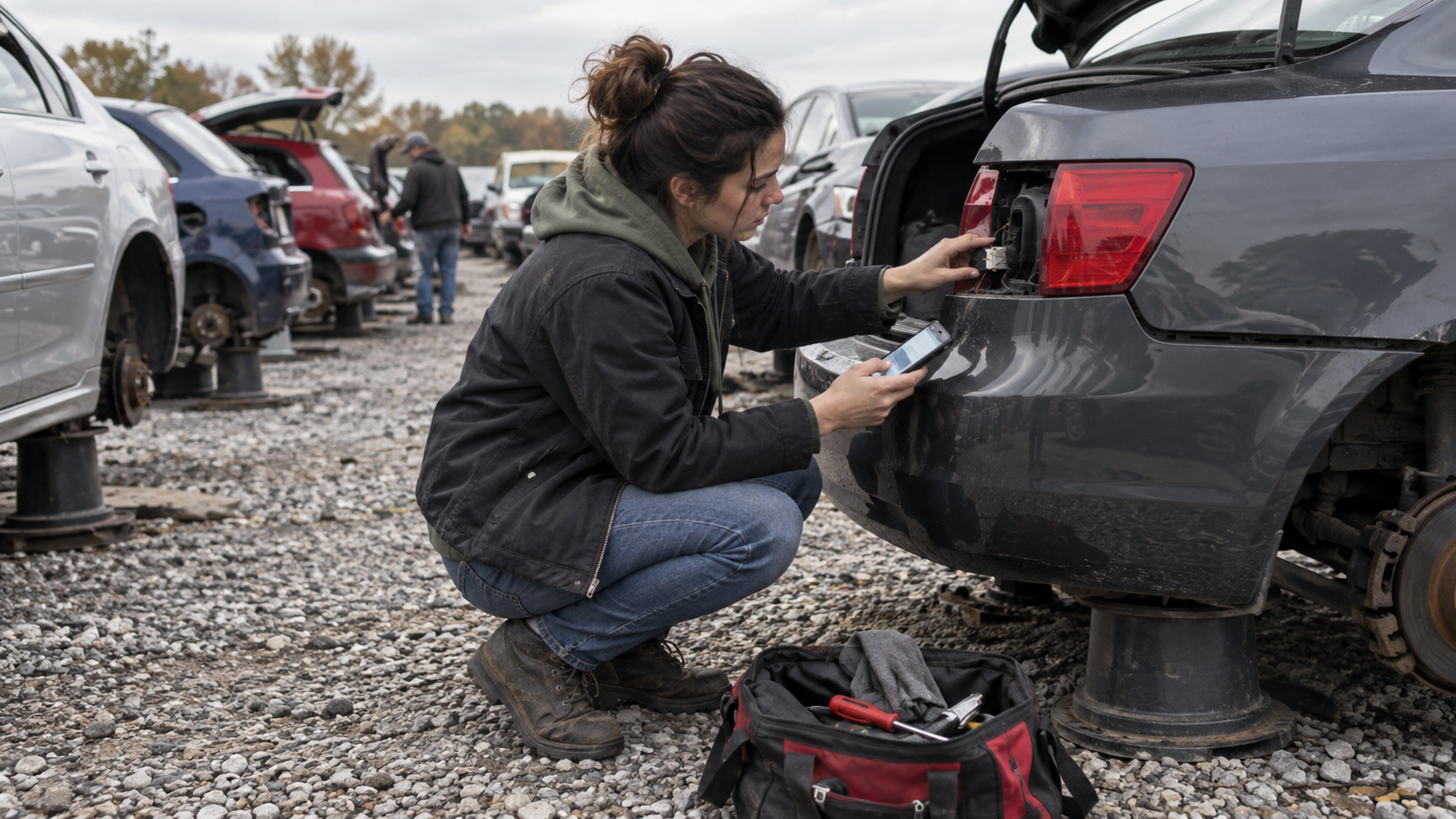
Pull-A-Part runs what it calls an "un-junkyard": an organized, self-service yard where vehicles are arranged so you can locate a car, bring your own tools, and pull the parts you need yourself, usually at lower prices than a traditional parts store. Across Georgia, you can find a Pull-A-Part self-service junkyard in the metro Atlanta area and in Augusta, with inventory listed online so you can check before you drive over.
Two things are worth keeping in mind. First, inventory changes constantly as cars come and go, so confirm a vehicle is currently on the yard before you make the trip. Second, used parts are only a bargain if they fit, so verify the year, make, model, trim, engine, and interchange information for the part you need. Pulling your own used parts is one of the most affordable ways to keep an older vehicle running.
How to recycle a junk car in Georgia: step by step
Recycling or junking a car in Georgia is mostly straightforward, but a few steps protect you from future fees, fines, or liability. Here's a practical order to work through.
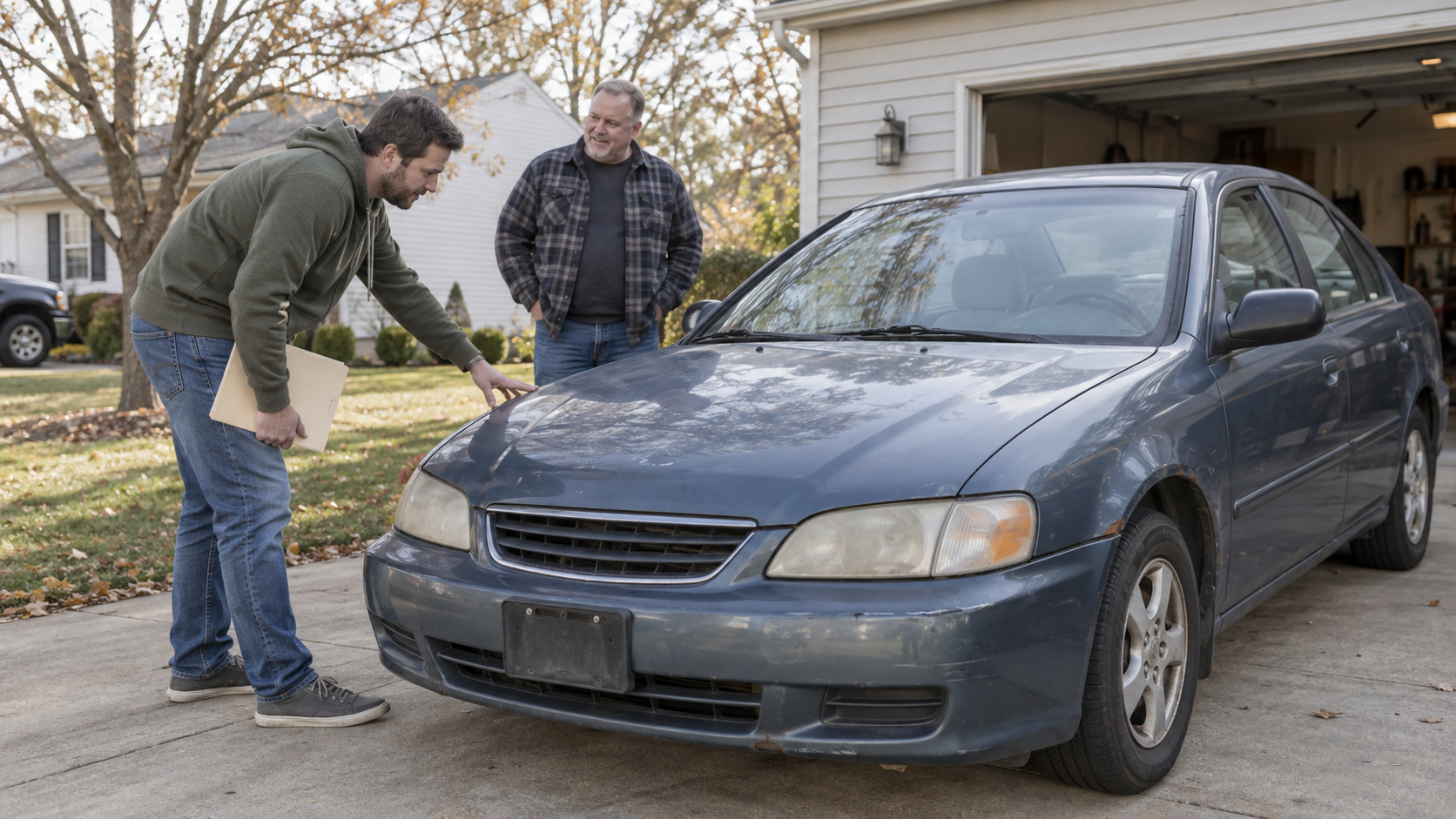
- Locate the vehicle's title and confirm there are no outstanding loans or liens against it.
- Remove your personal belongings and take the license plate off the car.
- Request a quote or arrange recycling, comparing what your vehicle is worth as parts and scrap.
- Sign over the title to transfer ownership to the recycler or buyer.
- Surrender or report the license plate and cancel the vehicle's registration with the state.
- Cancel your insurance once the car has been picked up.
When a car has truly reached the end of the road, you can sell your junk car for cash and let it be recycled. Offers and towing depend on the vehicle's details and the specific location, so it's worth requesting a quote first rather than assuming a flat price.
Do you need a title to recycle a car in Georgia?
Georgia generally expects the vehicle's title to transfer ownership. State law has allowed owners of cars that are at least 12 model years old and free of any loan or lien to part with them without a title by signing an affidavit, while newer vehicles typically require the title. If your title is lost, you can request a replacement from the Georgia Department of Revenue. Because these rules can change, confirm the current requirements with the Department of Revenue or ask the buyer exactly what they need before the pickup.
What about the license plate and registration?
In Georgia, the license plate stays with you, not the car, so remove it before the vehicle is towed. For vehicles that are being scrapped, dismantled, or used only for parts, the Georgia Department of Revenue's guidance on scrapped, dismantled, or demolished vehicles explains how to surrender the title to the Motor Vehicle Division's Salvage Unit and how to report or return your Georgia plate. Canceling the registration and dropping coverage afterward helps you avoid charges for a vehicle you no longer own. State procedures can change, so verify the current steps with the Department of Revenue before you hand over the car.
Recycling isn't your only option: repair, sell, or replace
Before you recycle, it's worth deciding whether the car is genuinely at the end of its life. A useful rule of thumb is to weigh the repair estimate against what the vehicle is actually worth. If a single repair costs more than the car is worth, or if problems keep stacking up, recycling or selling usually makes more sense than pouring money into it. For smaller fixes, sourcing a used part can keep a sound car on the road for far less than a dealership repair.
If your current vehicle isn't worth repairing, it may make more sense to buy a quality, affordable used car instead. Keep in mind that an affordable price doesn't guarantee a vehicle suits every need, so inspect any car, take it for a test drive, and review its history before you commit.
The bottom line
Recycling an old car responsibly keeps hazardous fluids out of Georgia's environment, gives usable parts a second life, and clears valuable space at home. A self-service model like Pull-A-Part's is one practical way to do it, whether you're pulling parts, selling a vehicle that has run its course, or shopping for an affordable replacement. Whichever route you choose, handle the title, license plate, and registration correctly, and check the latest requirements with the Georgia Department of Revenue so the car is fully and legally behind you.