How to Lower Your Auto Repair Costs Without Cutting Corners
Ask AI About Pull-A-Part
TO TURN YOUR JUNK CAR INTO CASH
Get the phone number to a location near you by enterging your zipcode.
Find a Local Junkyard
ALABAMA
ARIZONA
COLORADO
FLORIDA
GEORGIA
INDIANA
KENTUCKY
LOUISIANA
MISSISSIPPI
NEW MEXICO
NORTH CAROLINA
OHIO
PENNSYLVANIA
SOUTH CAROLINA
TENNESSEE
TEXAS
Pull-A-Part | Jan 16, 2026
A surprise repair estimate can turn an ordinary week into a stressful one. Repair prices have climbed for almost every driver, and the bill that comes back is rarely easy to read. You hand over the keys, get a number, and have little sense of what is actually driving the cost, or whether a cheaper but equally safe path exists.
It usually does. The key is knowing where the money in a repair bill goes, which charges you can influence, and where cutting cost would really mean cutting safety. This guide walks through all of it: how to read an estimate, when used parts make sense, which jobs are reasonable to do yourself, and how to decide whether a car is even worth fixing. By the end you should be able to lower your auto repair costs without gambling on your safety or your vehicle.
The Short Answer
The fastest ways to reduce a repair bill are to get an itemized estimate, compare quotes from more than one shop, ask whether quality used or aftermarket parts can replace new dealer parts, and handle the simple jobs yourself when you can do them safely. When repairs start to cost more than the car is worth, the smartest savings move is often to stop repairing and replace the vehicle instead.
Why Auto Repair Bills Feel So High
A repair invoice is almost never just the cost of a part. It bundles several charges together, and most of them have little to do with the component sitting in your engine bay. Labor is usually the biggest line, because shops bill in hours at an hourly labor rate that has to cover wages, training, specialized equipment, insurance, and overhead. A job that takes two hours of labor can easily cost more in labor than in parts.
On top of labor, many estimates add a diagnostic fee for the time spent finding the problem, plus shop supply fees and a markup on the parts themselves. None of that means a shop is treating you unfairly. It does mean the final number reflects far more than the price of the broken piece, which is exactly why labor and parts markup are where careful owners tend to save the most.
Where Your Auto Repair Money Actually Goes
A typical repair charge breaks down into a few buckets:
- Diagnostic time: the labor spent identifying the fault, sometimes credited back if you authorize the repair.
- Labor: the hourly rate multiplied by the estimated time the job takes.
- Parts: the component itself, usually marked up from what the shop paid.
- Shop and supply fees: smaller line items for consumables, disposal, and overhead.
Once you can see which bucket is inflating the total, you know where to push. If parts are the problem, sourcing your own components can help. If labor is the problem, doing simpler work yourself or choosing a different shop may be the better move.
Start by Getting an Accurate, Itemized Estimate
Before you can lower a repair bill, you need to see what is in it. Ask for a written, itemized estimate that separates diagnostic time, labor, parts, and shop fees. A clear breakdown shows you which line is inflating the total and gives you something concrete to compare against another shop.
A few simple requests can change the final number:
- Ask for a second opinion. For any large repair, a quote from a second shop is worth the time, because prices for the same job can vary widely.
- Ask about used or aftermarket parts. Many shops will install a quality used or aftermarket component instead of a new dealer part if you ask, which can sharply reduce the parts line.
- Ask to keep the old parts. This confirms the work was actually done and lets you check that the replaced component was truly worn out.
- Approve additional work in writing. Tell the shop not to start extra repairs without calling you first, so the bill never grows beyond what you agreed to.
How Used Parts Can Shrink the Bill
Buying parts new from a dealer is convenient, but it is usually the most expensive option. Quality used parts pulled from salvaged vehicles can cost a fraction of new, and for many components, such as body panels, mirrors, trim, alternators, starters, and other non-wear items, a sound used part does the same job as a new one for far less money.
What a Self-Service Junkyard Is
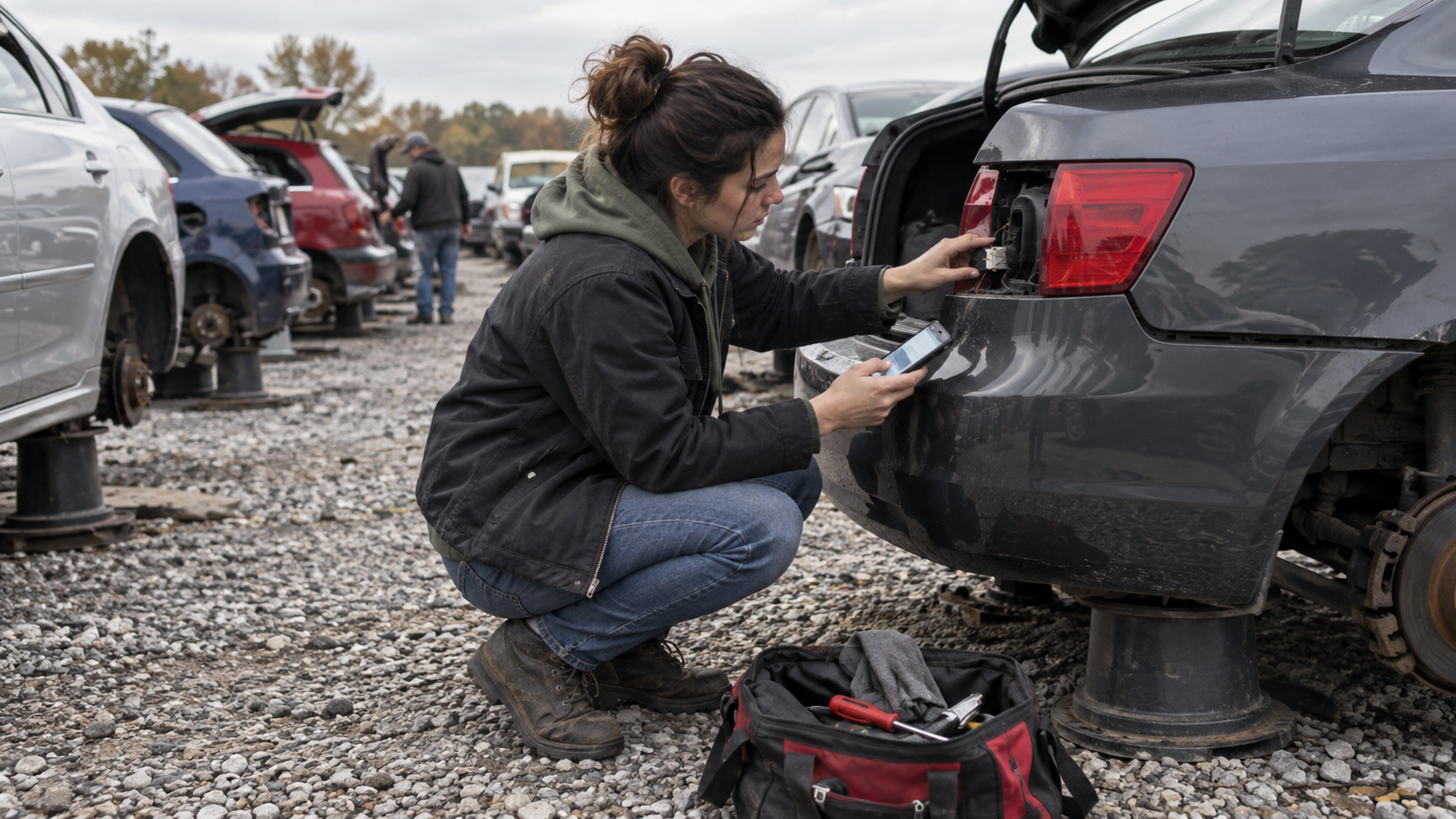
A self-service yard works differently from a traditional repair shop or a full-service salvage operation. Instead of paying someone to locate and remove a part for you, you bring your own tools, walk the yard, and pull the part off the vehicle yourself. Because you supply the labor, the part costs less. At Pull-A-Part, used parts are priced by the type of part, so the same component costs the same no matter the make, model, or year of the car it came from, which makes it easy to know roughly what you will pay before you arrive. If you want to try this route, you can find a self-service junkyard near you and see what is on the lot.
Why Fit Matters More Than Price
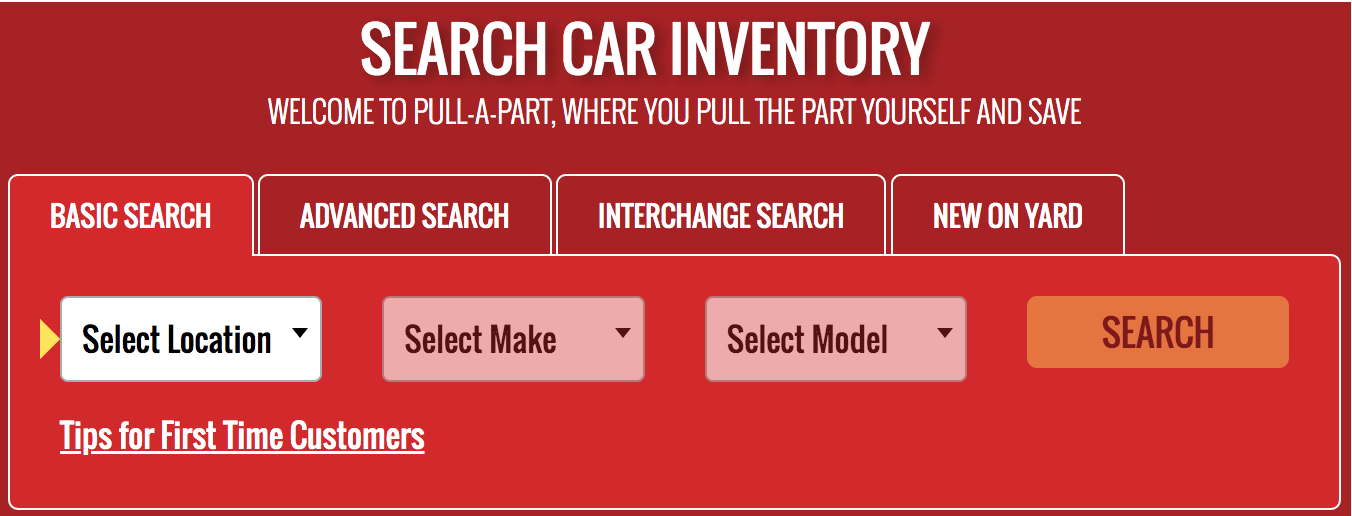
The cheapest part is worthless if it does not fit. Yard inventory changes constantly as vehicles arrive and get picked over, so a car that was on the lot last week may be gone today; always check current inventory before making the trip. Confirm compatibility by matching the year, make, model, trim, engine, and any interchange information for the part you need. A used part is not guaranteed to fit your vehicle just because it came off a similar car, so a few minutes of verification can save you a wasted visit.
Which Repairs Are Worth Doing Yourself
Pulling a part is one half of the savings; installing it yourself is the other. Some jobs are very approachable for a careful beginner with basic tools and a reliable repair guide. Others carry real safety risk and are better left to a professional.
Tasks many owners can reasonably handle at home include:
- Replacing wiper blades, engine air filters, and cabin air filters
- Swapping out a dead battery
- Changing headlight and taillight bulbs
- Doing an oil and filter change
- Replacing brake pads, once you are comfortable and have the right guidance
Jobs that usually belong with a trained technician include anything involving the airbag or restraint system, timing belts and chains, transmission internals, air-conditioning refrigerant, and suspension work that requires an alignment. A good rule of thumb: if a mistake could leave the car unsafe to drive, or if you are not confident you can finish the job correctly, pay for the expertise. The savings are never worth a brake failure. Staying on top of routine maintenance, such as fluids, filters, and timely small fixes, also prevents many of the expensive breakdowns that send people to the shop in the first place.
Repair, Replace, or Let It Go: A Simple Way to Decide
Sometimes the smartest way to lower your auto repair costs is to stop spending money on a vehicle that has reached the end of its useful life. A practical way to weigh the choice is to compare the repair estimate against what the car is actually worth and the repairs you expect to face down the road.
- Get the itemized estimate so you know the true cost of the fix.
- Look up a realistic value for your car in its current condition using a trusted pricing guide.
- Add up the repairs you have already paid for over the past year, plus the ones likely coming soon.
- If a single repair costs more than the car is worth, or if repairs keep stacking up month after month, replacing the vehicle is usually the better long-term move.
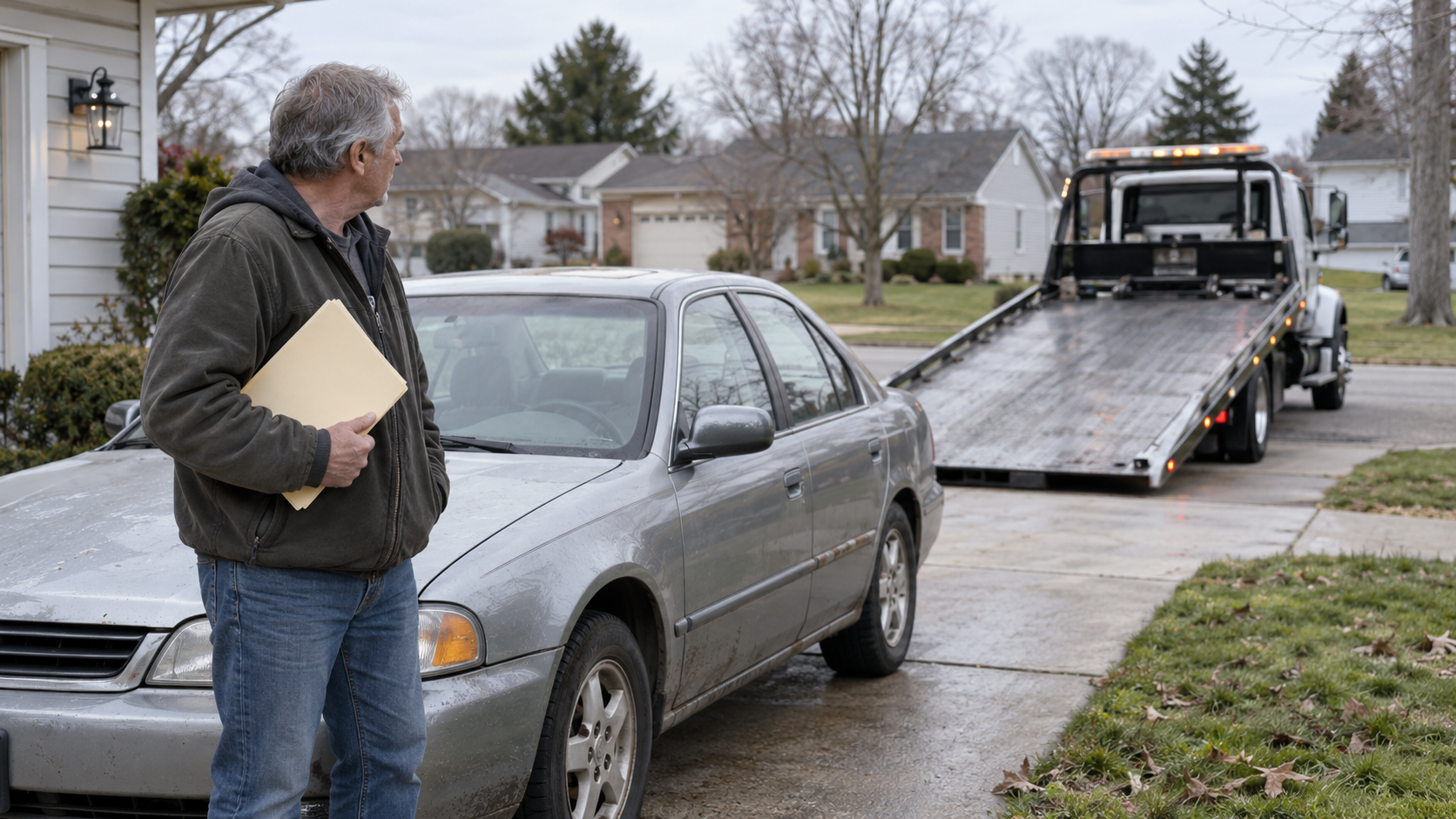
If the math points toward letting the car go, it does not have to sit in the driveway. You can sell an unwanted vehicle for cash and put that money toward your next one. Pull-A-Part buys junk cars in many conditions, gives a free quote, and tows the vehicle at no cost when you sell, though it is worth confirming the details with your nearest yard. Two things to know up front: a quote is generally only valid for the day it is issued, and a vehicle still under a loan or lien usually cannot be sold until that is cleared.
If you need a replacement, you do not have to take on a large monthly payment. For many drivers it makes more sense to buy a quality, affordable used car that fits the budget. Just remember that affordable does not automatically mean perfect for you. Inspect any used vehicle, review its history report, and ideally have a mechanic look it over before you buy, because the right used car is the one that matches your needs, not just the one with the lowest price.
Handle the Paperwork the Right Way
Whenever you sell, scrap, or dispose of a vehicle, ownership and liability paperwork matters. Rules for transferring or replacing a title, reporting the sale, releasing your liability, removing a lien, and returning or transferring license plates vary from state to state, and getting them wrong can leave you on the hook for a car you no longer own. Before you hand over the keys, confirm what your state requires through your state's official motor vehicle agency. This is general information rather than legal advice, so always check the current requirements for your state directly.
A Quick Checklist Before You Approve a Repair
Run through these questions before you authorize any major work:
- Do I have a written, itemized estimate that separates labor, parts, and fees?
- Have I compared the quote with at least one other shop for big jobs?
- Could a quality used or aftermarket part lower the cost without lowering safety?
- Is this a job I can safely do myself, or does it belong with a trained technician?
- Does the repair cost more than the car is worth, and would replacing it save money over time?
The Bottom Line
Lowering your auto repair costs is mostly about information and timing: understand what is on the bill, question the expensive lines, use quality used parts where they make sense, handle the simple jobs yourself, and recognize the point where repairing stops being worth it. Routine maintenance helps too, since small, on-time fixes are almost always cheaper than the breakdowns they prevent. Whether you are sourcing a part to save on a repair, selling a car that is no longer worth fixing, or shopping for a dependable replacement, Pull-A-Part gives budget-minded drivers a practical place to start, and the money you save on a single smart decision can cover a lot of future maintenance.