Buying a Cheap Used Car in Georgia: A Practical Guide to Saving Money and Staying Legal
Ask AI About Pull-A-Part
TO TURN YOUR JUNK CAR INTO CASH
Get the phone number to a location near you by enterging your zipcode.
Find a Local Junkyard
ALABAMA
ARIZONA
COLORADO
FLORIDA
GEORGIA
INDIANA
KENTUCKY
LOUISIANA
MISSISSIPPI
NEW MEXICO
NORTH CAROLINA
OHIO
PENNSYLVANIA
SOUTH CAROLINA
TENNESSEE
TEXAS
Pull-A-Part | Mar 26, 2026
Shopping for an affordable car in Georgia should feel like a win, not a gamble. Yet between titles, taxes, registration deadlines, and emissions rules, it is easy to worry that one missed step will turn a great deal into an expensive headache. If you are a first-time buyer, a student, or anyone trying to stretch a tight budget, the smartest move is to understand the rules before you hand over any cash.
The good news is that buying a low-cost used car in Georgia is very doable once you know what to check and what the state expects from you. This guide walks through how to vet a vehicle, what paperwork you need, how Georgia handles title and tax, when emissions testing applies, and where to look for a dependable budget car. The aim is to help you buy with confidence and avoid the mistakes that cost people money after the sale.
How to Buy a Cheap Used Car in Georgia: The Short Version
If you only remember a handful of steps, make them these:
- Confirm the seller has a clear Georgia title in their name and that the VIN on the car matches the title.
- Inspect and test drive the car, and get an independent mechanic's opinion when the price allows.
- Get a signed title and a bill of sale showing the price, date, VIN, and both parties' information.
- Apply for the title and registration at your county tag office and pay the Title Ad Valorem Tax (TAVT).
- Have valid insurance in place, and complete an emissions test first if you live in a county that requires one.
Each step matters, but the order helps you avoid surprises. The sections below explain the details.
Check the Title, VIN, and Liens Before You Pay
The title is the single most important document in any used-car purchase. Before money changes hands, confirm that the seller's name appears on a clear Georgia title and that there is no lien (a lender's claim) still attached. A lien that has not been released can leave you unable to register the car in your name.
Match the vehicle identification number (VIN) on the dashboard and door jamb to the VIN on the title. Watch for a branded title, which is a title marked to show the car was previously declared salvage, rebuilt, or flood-damaged. A branded title is not automatically a dealbreaker, but it affects value, insurability, and resale, so you should know about it and price accordingly.
Georgia handles the seller-to-buyer title assignment on the back of the title itself, including the odometer reading and signatures. The state's Department of Revenue explains how the assignment should be completed and warns against accepting a title that has been signed without the buyer's name filled in; you can review the official steps for a vehicle title transfer in Georgia before you meet the seller. Older vehicles can be different: in Georgia, vehicles model year 1985 and older generally do not require a title and can be transferred with a bill of sale, so always confirm the current rule for the specific car you are buying.
Taxes, Title, and Registration: What Georgia Requires
When you title a vehicle in Georgia, you pay a one-time Title Ad Valorem Tax (TAVT) based on the car's fair market value rather than a traditional sales tax plus an annual car tax. You pay it at your county tag office at the time you title the vehicle, and new Georgia residents titling a car for the first time pay a reduced rate. Because rates and fees change and the taxable value is set by state methods, it is worth checking the current figures and using the official estimator on the Georgia Department of Revenue's TAVT page so the cost does not catch you off guard.
Deadlines are tight, and they depend on who you bought from. If you buy from a private individual (a "casual sale"), Georgia law generally requires you to apply for the title within seven business days. For purchases from a dealer and for new residents, the window is typically 30 days. Miss the deadline and penalties can be added. Plan to bring the assigned title, your bill of sale, proof of insurance, and your ID to the county tag office, and confirm the current requirements there since procedures can vary by county.
You will also need valid Georgia auto insurance before you can register and legally drive the car. Georgia does not have a statewide safety inspection, so for most of the state, insurance and the tag office visit are the main gates between you and a legal car. The exception is emissions testing, which applies in part of metro Atlanta.
Does Your Used Car Need an Emissions Test in Georgia?
Most of Georgia has no emissions requirement at all. Testing applies only in 13 metro Atlanta counties: Cherokee, Clayton, Cobb, Coweta, DeKalb, Douglas, Fayette, Forsyth, Fulton, Gwinnett, Henry, Paulding, and Rockdale. If you register your car anywhere outside those counties, you can skip this step entirely.
Inside those counties, the rules are tied to the model year and fuel type. For 2026 registrations, gasoline-powered cars and light trucks from model years 2002 through 2023 generally need to pass an annual test, while the three newest model years and vehicles 25 model years or older are exempt, along with diesels, fully electric vehicles, and motorcycles. The covered model-year range shifts forward by one year each cycle, so verify the current window on the official program site, Georgia's Clean Air Force.
This matters for buyers in places like Lithonia and the rest of DeKalb County, which is one of the testing counties. If a car you are buying will be registered in a covered county, Georgia rules require that it have a passing emissions test at the time of sale, and the result stays on file for your initial registration and one renewal. A car with a "check engine" light is an automatic fail, so a glowing dashboard warning is a real negotiating point and a reason to dig deeper before you buy.
How to Spot a Solid Used Car on a Tight Budget
An affordable car is not the same as a perfect one, and the cheapest listing is not always the best value. Use a short, consistent checklist so you are comparing cars on facts rather than first impressions:
- Title and VIN: Clear title in the seller's name, matching VIN, and no unexpected branding or open lien.
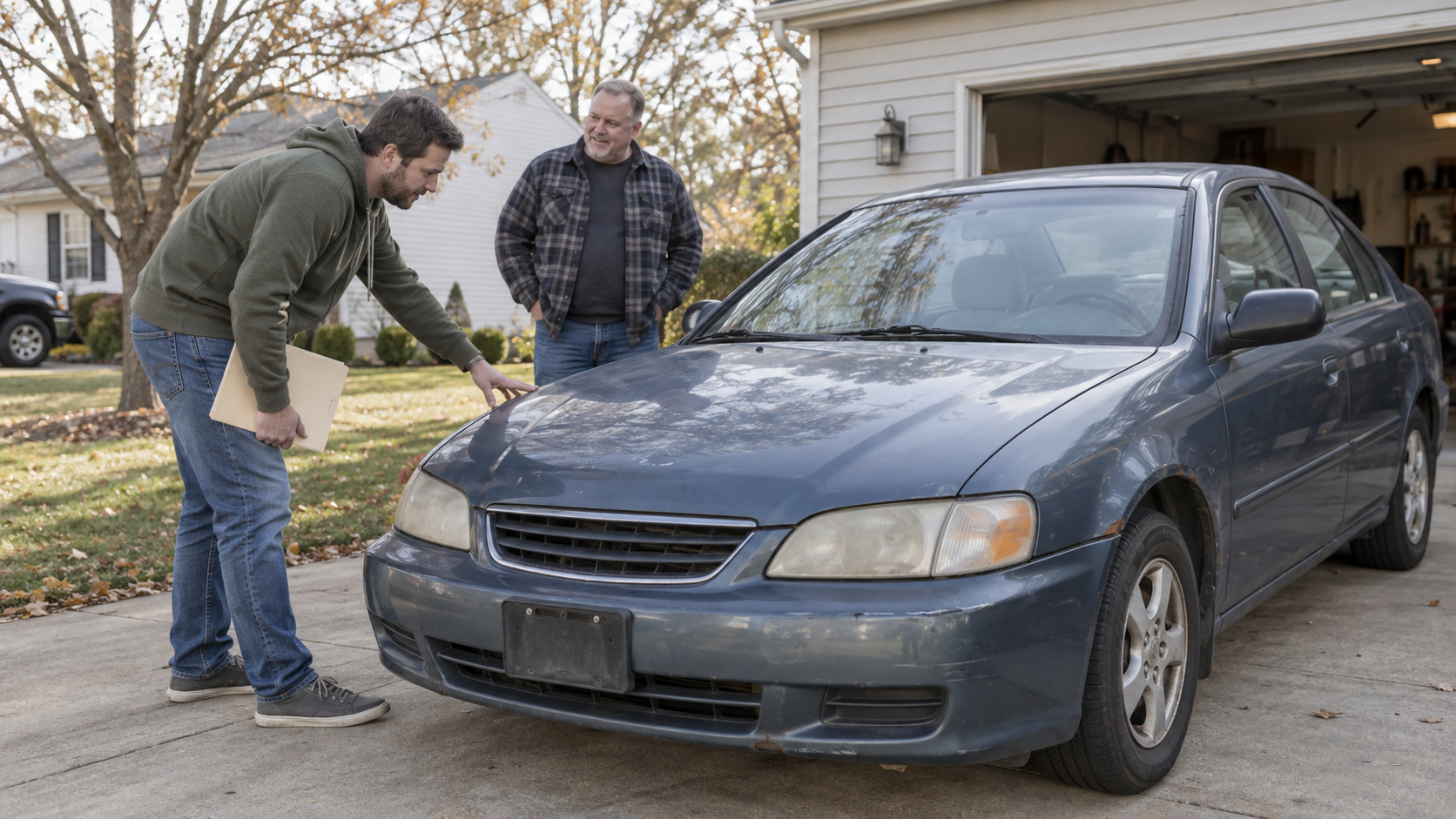
- Mechanical condition: A test drive on local roads and the highway, plus a third-party inspection when the budget allows.
- Maintenance signs: Service records or receipts that suggest the previous owner kept up with basic care.
- Emissions status: If you will register in a covered county, confirm the car can pass or already has a valid test on file.
- Fair price: Compare similar year, make, model, and mileage across listings to gauge whether the price fits the condition.
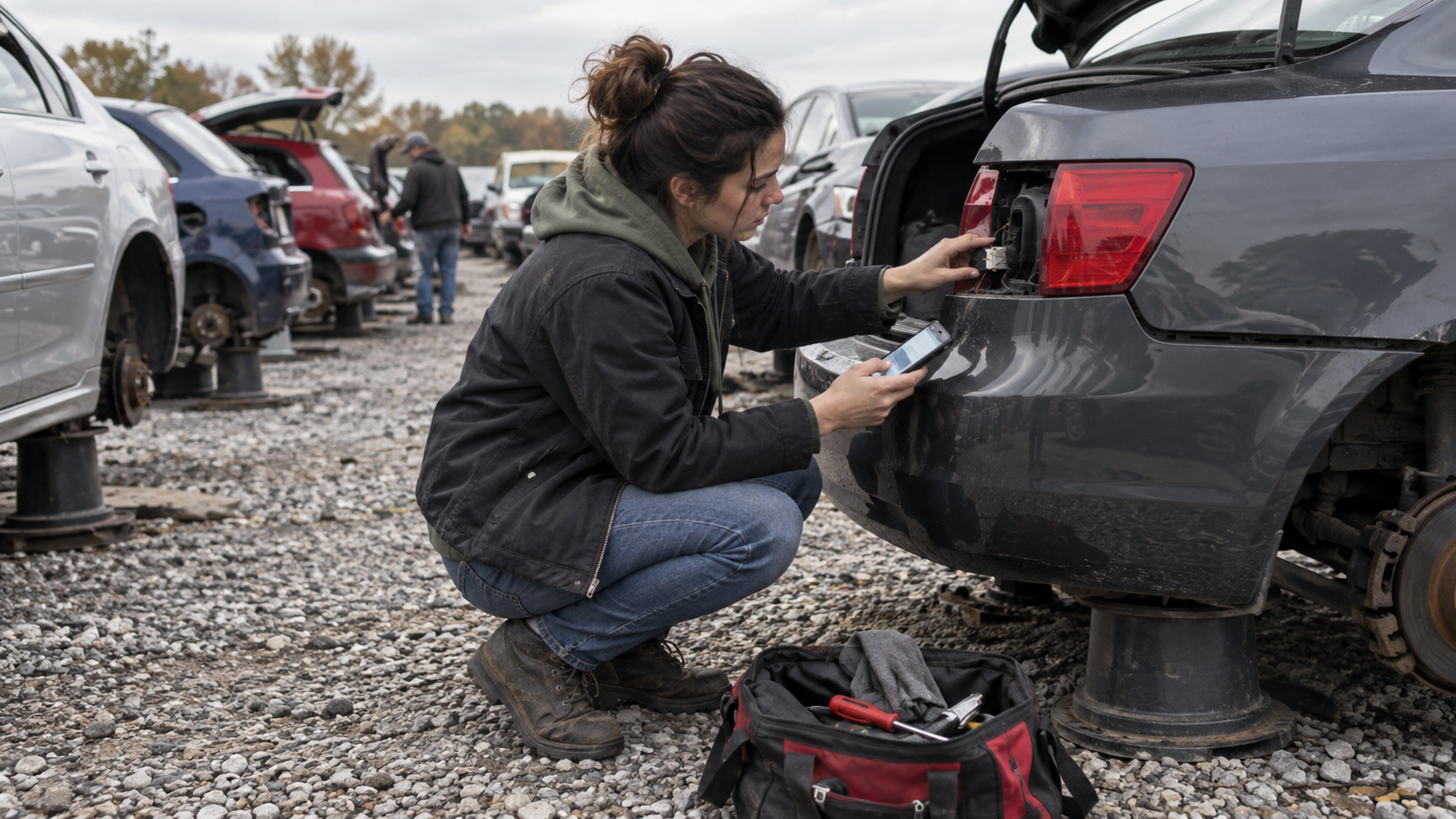
Budget cars sometimes need a repair soon after purchase, and that is not a reason to panic. You can keep those costs down by sourcing replacement parts yourself at a self-service used auto parts yard instead of paying full retail, which can make an older car much cheaper to own over time. When you do replace a part, verify the year, make, model, trim, engine, and interchange details so the part actually fits your specific vehicle.
Where to Find Affordable Used Cars Near Atlanta
Budget shoppers in the Atlanta area have more options than the typical dealer lot. Pull-A-Part sells inexpensive used cars in several Georgia markets, and you can shop for affordable used cars at the Atlanta East lot in Lithonia. These are budget-focused vehicles sold as they are, so the same advice applies: inspect the car, test drive it, and check the title and emissions status before you commit. Inventory and pricing change constantly, so look at the current listings before you make the trip.
Whatever the source, treat "affordable" as a starting point, not a guarantee. A low price can be a smart buy or a future repair bill depending on the car, which is exactly why the inspection and paperwork steps above are worth your time.
Turn Your Old Car Into Part of the Budget
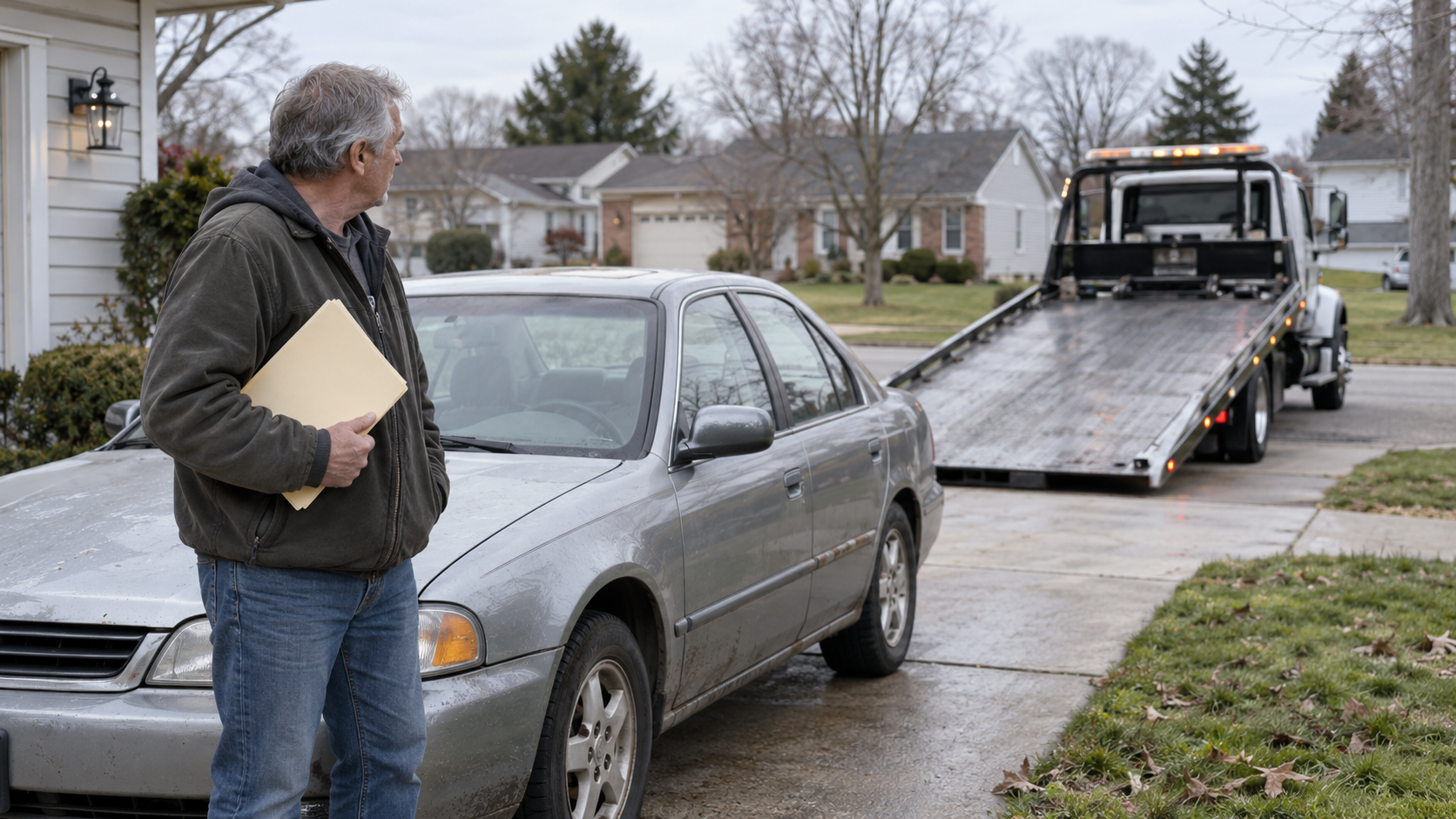
If a tired, broken-down, or non-running vehicle is already sitting in your driveway, it can help fund the next one. Rather than letting it lose value, you can request a no-obligation quote and get cash for your car, and many locations offer free pickup. Confirm pickup and payment details with your local yard, and remember to remove the license plate and complete the appropriate ownership paperwork, since in Georgia you generally keep your tag to reuse rather than leaving it on the car.
Common Mistakes That Cost Buyers Money
- Paying before confirming a clear, transferable title and a matching VIN.
- Skipping the bill of sale or accepting an incomplete one.
- Missing Georgia's title and registration deadline and getting hit with penalties.
- Ignoring emissions requirements when registering in a covered metro Atlanta county.
- Buying purely on price without a test drive or independent inspection.
Frequently Asked Questions
What documents do I need to title a used car in Georgia?
You generally need the properly assigned title, a bill of sale showing the price, date, and VIN, proof of insurance, and your ID. You pay TAVT and the registration fee at your county tag office. Requirements can vary slightly by county, so confirm before you go.
How long do I have to register a car after buying it?
For a private sale, Georgia law generally gives you seven business days to apply for the title; for dealer purchases and new residents, the window is usually 30 days. Penalties apply if you wait too long, so check the current deadline with your county tag office.
Do I need an emissions test?
Only if you register the car in one of 13 metro Atlanta counties, and only for certain model years and fuel types. Most of Georgia has no emissions requirement. Verify the current rules on Georgia's Clean Air Force before you register.
What if the car does not have a title?
For most vehicles model year 1986 and newer, you need the title to transfer ownership and register the car. Very old vehicles may transfer with a bill of sale instead. Confirm the rule for your specific vehicle with the Department of Revenue before buying a car without a title.
How do I make sure I am getting a fair deal?
Compare similar cars by year, make, model, and mileage, factor in any near-term repairs, and consider a quick independent inspection. A car that can clearly pass emissions and has a clean title is worth more than a slightly cheaper one with question marks.
The Bottom Line
Buying a cheap used car in Georgia comes down to two things: choosing a car that is genuinely worth the price, and handling the title, tax, registration, and emissions steps correctly so the deal holds up. Take the time to verify the title and VIN, keep your paperwork in order, meet the state's deadlines, and confirm any county-specific requirements with the appropriate agency. Do that, and an affordable car can be a smart, low-stress purchase rather than a risk. When you are ready to shop, compare your options, inspect carefully, and check current inventory and pricing before you go.