Junk Car Removal: Answers to the Most Common Questions
Ask AI About Pull-A-Part
TO TURN YOUR JUNK CAR INTO CASH
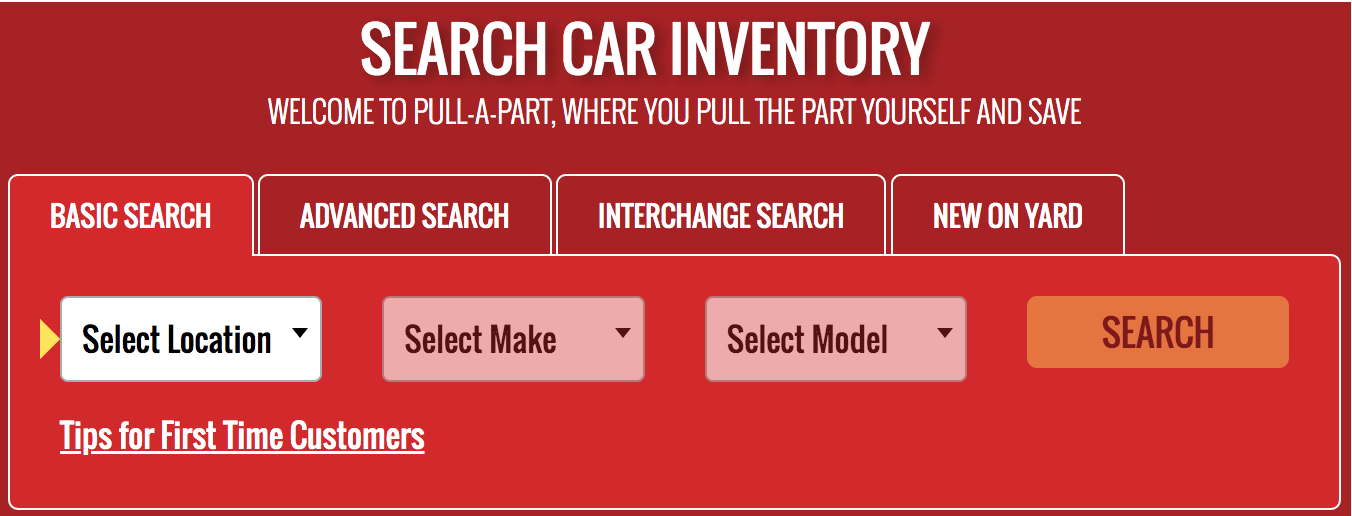
Get the phone number to a location near you by enterging your zipcode.
Find a Local Junkyard
ALABAMA
ARIZONA
COLORADO
FLORIDA
GEORGIA
INDIANA
KENTUCKY
LOUISIANA
MISSISSIPPI
NEW MEXICO
NORTH CAROLINA
OHIO
PENNSYLVANIA
SOUTH CAROLINA
TENNESSEE
TEXAS
Pull-A-Part | Jul 13, 2025
Almost every driver eventually ends up with a vehicle that has outlived its usefulness — a project car that never got finished, a daily driver that finally quit, or an inherited clunker slowly rusting in the driveway. Junk car removal is the simplest way to turn that liability into cleared space and, in many cases, cash in your pocket. Instead of paying to store, insure, or repair a car you no longer drive, you hand it off to a buyer who hauls it away and pays you for it.
If you have ever wondered whether it is worth the trouble, this guide answers the questions drivers ask most: what junk car removal actually involves, which paperwork you need, how much your car might be worth, how quickly pickup and payment happen, and what to do about your license plates, registration, and insurance once the car is gone. By the end, you should be able to decide whether removal makes sense for you and finish the process without surprises.
What Is Junk Car Removal?
Junk car removal is a service that buys and hauls away vehicles that no longer run, are not worth repairing, or have simply reached the end of the road. The process usually starts with a quote: you describe the car's year, make, model, and condition, and the buyer gives you a price. If you accept, they schedule a pickup, tow the vehicle away, and pay you — often at the time of pickup.
Most junk cars do not go straight to a crusher. Reusable parts are pulled and resold, fluids and hazardous materials are drained and handled responsibly, and the remaining metal is recycled. That is why a car that will not start still has value, and why responsible removal keeps oil, coolant, and other fluids out of the soil and local waterways.
How Do You Know If Your Car Counts as a "Junk Car"?
A vehicle does not have to be a rusted shell to qualify. Several common situations push a car into junk-car territory:
- The repair estimate is close to, or higher than, what the car is worth.
- It will not start, will not pass inspection, or is no longer safe to drive.
- An insurer has declared it a total loss after an accident.
- Major components are missing or have already failed.
- It is no longer worth the cost of registering and insuring.
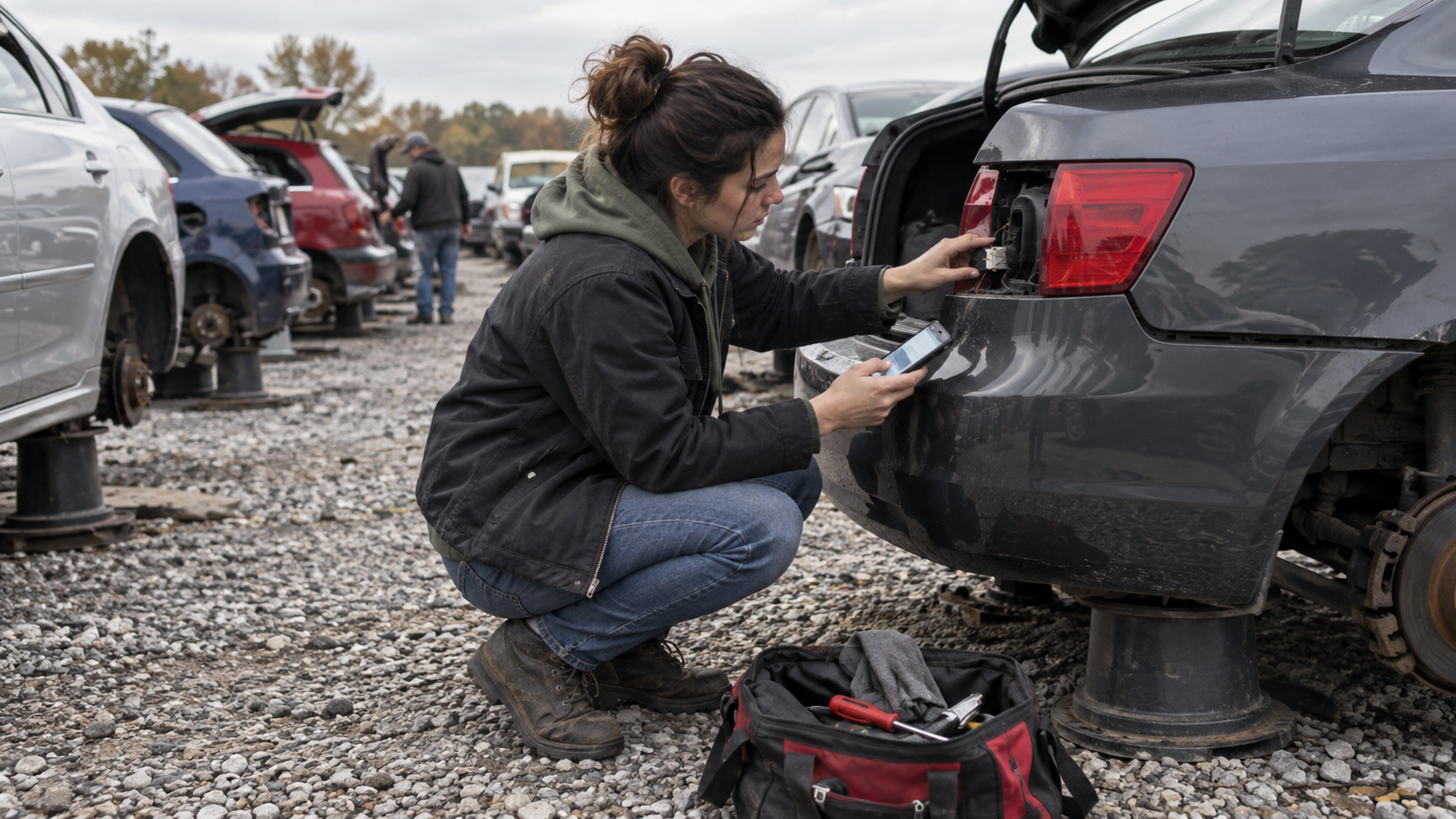
If you are on the fence between fixing the car and letting it go, price out the repair before you decide. One way to keep a repair affordable is to source the part yourself from a self-service junkyard, where used parts typically cost far less than new ones. If the math still does not work in your favor, removal is usually the smarter move.
What Paperwork Do You Need to Sell a Junk Car?
The single most important document is the vehicle's title, which proves you own the car and have the right to sell it. If you cannot find it, most states let you request a duplicate before the sale. You may also be asked for a photo ID, the registration, and — if the car was financed — proof that any lien has been released.
Requirements differ from one state to the next. Some states allow older or low-value vehicles to be sold for scrap without a standard title, using alternate forms instead, while others are stricter. Because the rules around titles, liens, and required seller documents vary, confirm what your state expects before pickup day. You can look up the right office through your state's motor vehicle agency. This guide is general information, not legal advice, so treat your state agency as the final word.
How Much Is a Junk Car Worth?
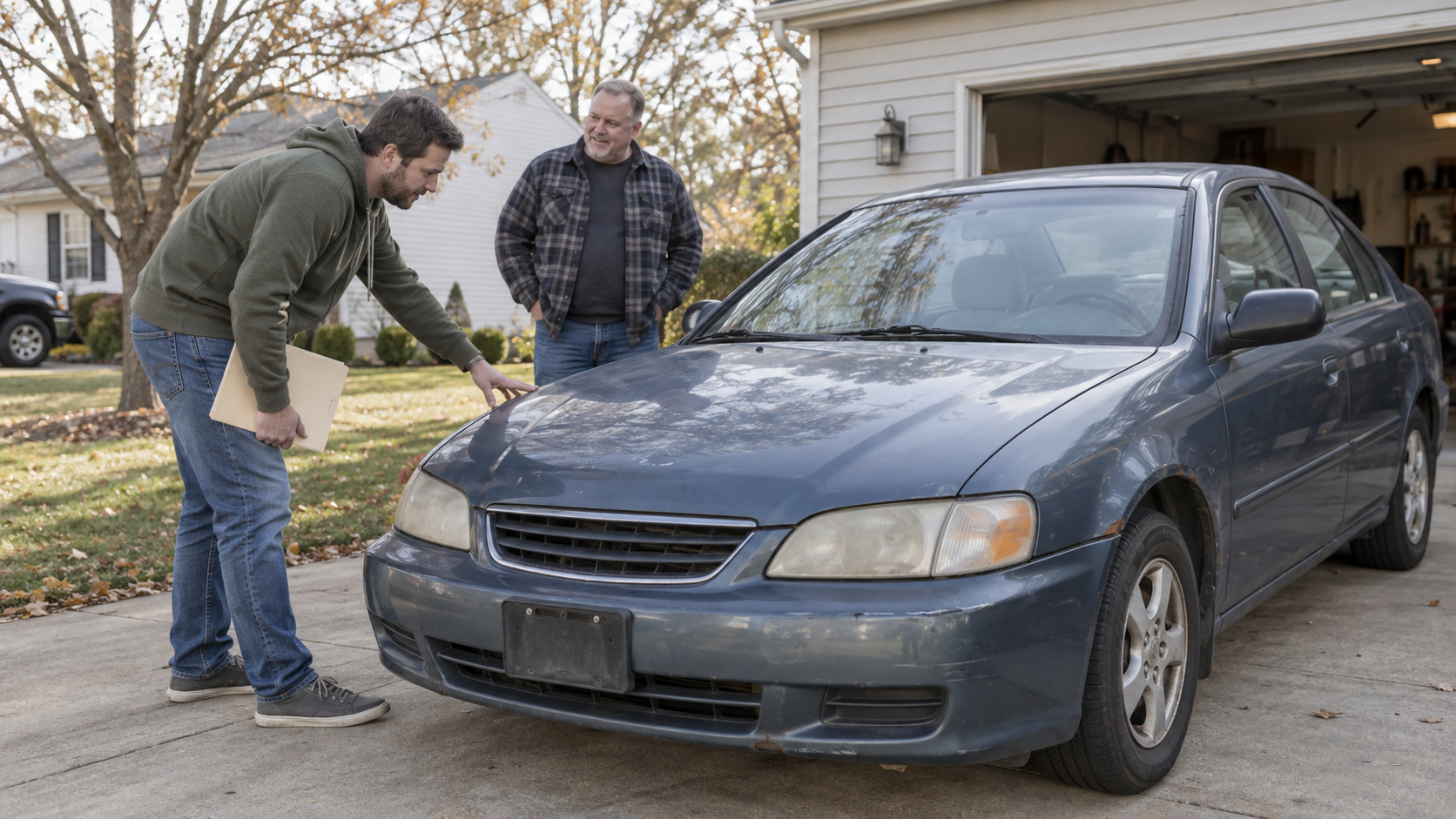
No two junk cars are worth exactly the same amount. Offers depend on the make and model, the vehicle's weight, how complete it is, whether any parts still work, current scrap-metal prices, and local demand for that car's components. Because scrap prices and parts demand shift over time, the number you are quoted today may differ from one a month ago.
The practical takeaway is to get more than one quote so you can compare. When you are ready, you can sell your junk car by requesting a quote based on your vehicle's details. Treat each quote as specific to your car rather than a fixed rate for all junk vehicles.
How Can You Get the Most for Your Junk Car?
A little preparation can improve your payout and make the handoff smoother:
- Note which parts still work — a good battery, decent tires, or a functioning stereo can add value.
- Gather any receipts or records for major repairs or recent upgrades.
- Decide whether to sell the car whole or remove and sell select parts first.
- Clear out personal items and give the interior a quick cleanout so the buyer can assess it accurately.
- Compare quotes from more than one buyer before committing.
Be realistic, too. A non-running car is priced largely on its salvage and parts value, so even a well-kept clunker will not command anything close to a working used-car price.
How Long Does Pickup and Payment Take?
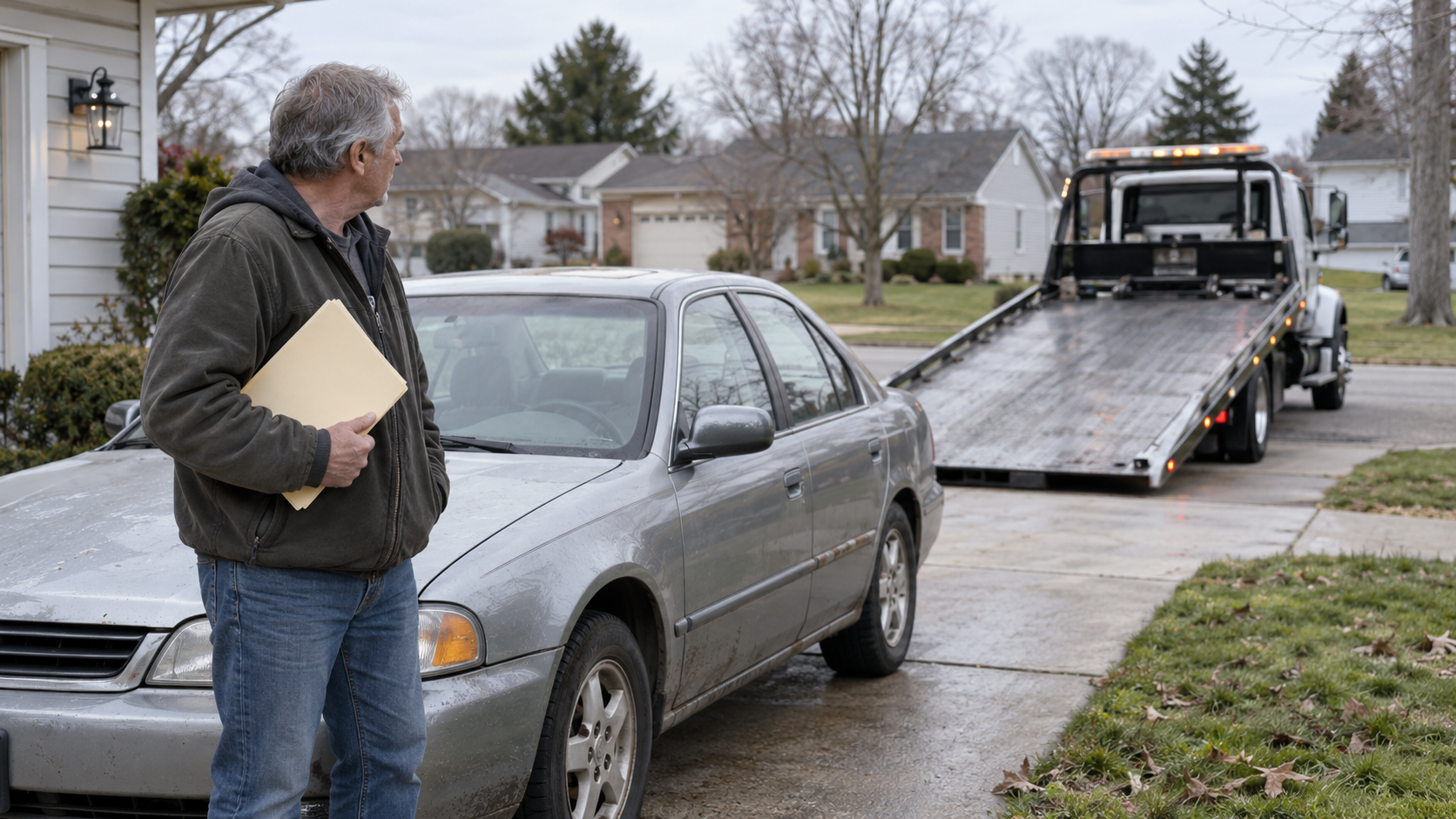
In many cases the turnaround is fast. Once you accept an offer, pickup is often scheduled within a day or two, and payment is commonly made at the time of pickup by cash or check. Many junk car buyers, including Pull-A-Part locations, will tow the vehicle for you, but towing policies and any fees can vary by location and situation. Ask exactly what is included when you get your quote, rather than assuming towing is automatically free in every circumstance.
How to Prepare for Pickup: A Step-by-Step Checklist
Running through a short checklist before the tow truck arrives keeps the process quick and worry-free:
- Confirm the agreed price and the pickup time with the buyer.
- Have the title and any other required documents ready.
- Remove all personal belongings — check the trunk, glovebox, and under the seats.
- Take off your license plates, since most states require you to keep them.
- Cancel or transfer the registration and notify your insurance company.
- Finish removing any parts you planned to keep or sell separately.
- Be present to hand over the keys and receive your payment.
What happens to your plates and registration after the sale depends on where you live. Some states want plates returned or transferred, some require you to cancel the registration, and many ask the seller to file a notice of sale or release of liability so you are no longer tied to the vehicle. Confirm these steps with your state agency so the car is fully off your record.
What to Do After Your Junk Car Is Gone
Keep your copy of the bill of sale or title transfer in case you ever need to prove the car was sold. If the junk vehicle was your only ride and you need a replacement, you can shop for affordable used cars as a budget-friendly next step. Inventory changes frequently, so check what is currently available and have any vehicle inspected before you buy — "affordable" should still mean a car that fits your real needs.
The Bottom Line
Junk car removal does not have to be complicated. When you know which paperwork to gather, how your car's value is determined, what to expect on pickup day, and how to handle your plates and registration afterward, the whole process becomes straightforward. Do a little homework, compare a couple of offers, and choose a reputable buyer. Pull-A-Part is one option for turning an unwanted vehicle into cash while keeping its usable parts and materials in circulation — and when you are ready, the only thing left to do is clear that spot in the driveway.