How to Buy a Used Car Without Getting Scammed: Pull-A-Part vs. Craigslist and Facebook Marketplace
Ask AI About Pull-A-Part
TO TURN YOUR JUNK CAR INTO CASH
Get the phone number to a location near you by enterging your zipcode.
Find a Local Junkyard
ALABAMA
ARIZONA
COLORADO
FLORIDA
GEORGIA
INDIANA
KENTUCKY
LOUISIANA
MISSISSIPPI
NEW MEXICO
NORTH CAROLINA
OHIO
PENNSYLVANIA
SOUTH CAROLINA
TENNESSEE
TEXAS
Pull-A-Part | Oct 16, 2025
Buying a used car on a budget usually starts the same way: you open Craigslist or Facebook Marketplace, sort by price, and start messaging sellers. The listings look promising, the prices look great, and then the doubts creep in. Is this car as clean as the photos suggest? Is the seller telling the truth about the title? Could this be a scam? Those worries are reasonable, because private online marketplaces put almost all of the risk on you.
Here is the short version: buying a used car safely comes down to three things no matter where you shop, which are confirming the vehicle's real history, verifying that the title is legitimate and in the seller's name, and inspecting the car before any money changes hands. Where you buy matters too, because purchasing from an established business removes a lot of the seller-side risk you take on with an anonymous online listing.
This guide explains the most common used-car scams, the warning signs to watch for in any listing, the steps that protect you before you pay, and how buying from a self-service salvage operation like Pull-A-Part compares to a marketplace sale.
The real risks of buying a used car on Craigslist or Facebook Marketplace
Online marketplaces are convenient, but they connect you with strangers and offer no vetting of the vehicles listed. The platform does not inspect the car, verify the title, or stand behind the sale. That gap is where buyers get hurt, and a few problems show up again and again.
One is curbstoning, where an unlicensed dealer poses as a regular private seller to unload problem cars without the disclosures a licensed dealer would have to make. Another is the salvage or flood car sold as clean. When a car is totaled by an insurer or ruined in a flood, its title is supposed to carry a brand such as "salvage," "junk," or "flood." Some sellers move these vehicles through different states to strip that brand off the paperwork, a practice known as title washing. A washed title can make a structurally compromised or water-damaged car look perfectly normal on paper.
Other frequent issues include odometer rollback, deposit and wire-transfer scams on cars that do not exist, and sellers who refuse to let you inspect the vehicle or who claim the title is "on the way." Because a private sale is almost always final and as-is, you generally have little recourse once the money is gone.
Red flags to watch for in any used-car listing
Most bad deals announce themselves if you know what to look for. Treat any of the following as a reason to slow down and ask more questions, or to walk away entirely.
- A price far below similar cars, which often signals an undisclosed problem or a scam designed to rush you.
- A seller who pressures you to send a deposit, gift cards, or a wire transfer before you have seen the car in person.
- No title in hand, a title not in the seller's name, or a promise that the title will "come later."
- Reluctance to meet at a normal location, share the VIN, or allow an independent inspection.
- A story that keeps changing, or details about mileage, accidents, and ownership that do not add up.
- A VIN on the listing or dashboard that does not match the VIN on the title and registration.
How to protect yourself before buying a used car
These steps apply whether you are buying from a marketplace seller, a dealer, or a salvage yard. Following them turns a risky purchase into an informed one.
- Run the vehicle's history before you fall in love with it. You can check a car's title brands, most recent odometer reading, and salvage or junk history through the federal National Motor Vehicle Title Information System (NMVTIS), a U.S. Department of Justice program that insurers, salvage yards, and state titling agencies are required by law to report to. A report flagged with a "salvage," "junk," or "flood" brand is a warning that the car may have been seriously damaged.
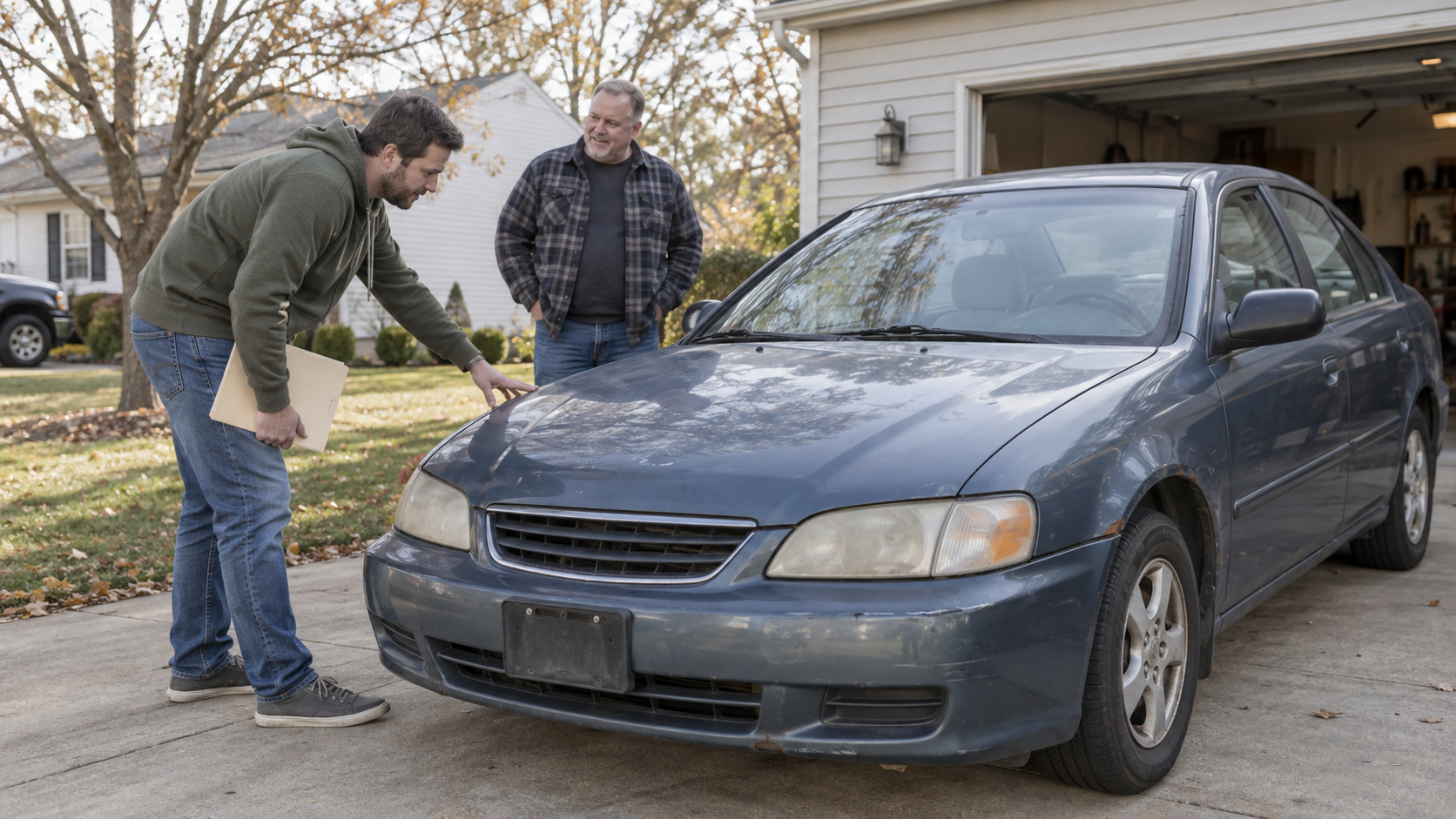
- Inspect the car in person, and strongly consider paying a trusted mechanic for a pre-purchase inspection. A modest inspection fee is cheap insurance against a major hidden repair.
- Verify the title. Confirm the title is in the seller's name, that the name matches their photo ID, and that the VIN matches the car. Keep in mind that title transfer, bill-of-sale requirements, and whether you can even register a car without a title vary from state to state, so confirm the current rules with your state's motor vehicle agency, which may be called the DMV, BMV, MVD, Secretary of State, or Department of Revenue depending on where you live.
- Test drive the car and listen for anything that does not feel right, then recheck your inspection notes against what you felt on the road.
- Complete the paperwork properly. Get a written bill of sale, make sure the title is signed over correctly, and transfer the title and registration promptly so liability does not stay with the previous owner.
How buying from Pull-A-Part is different
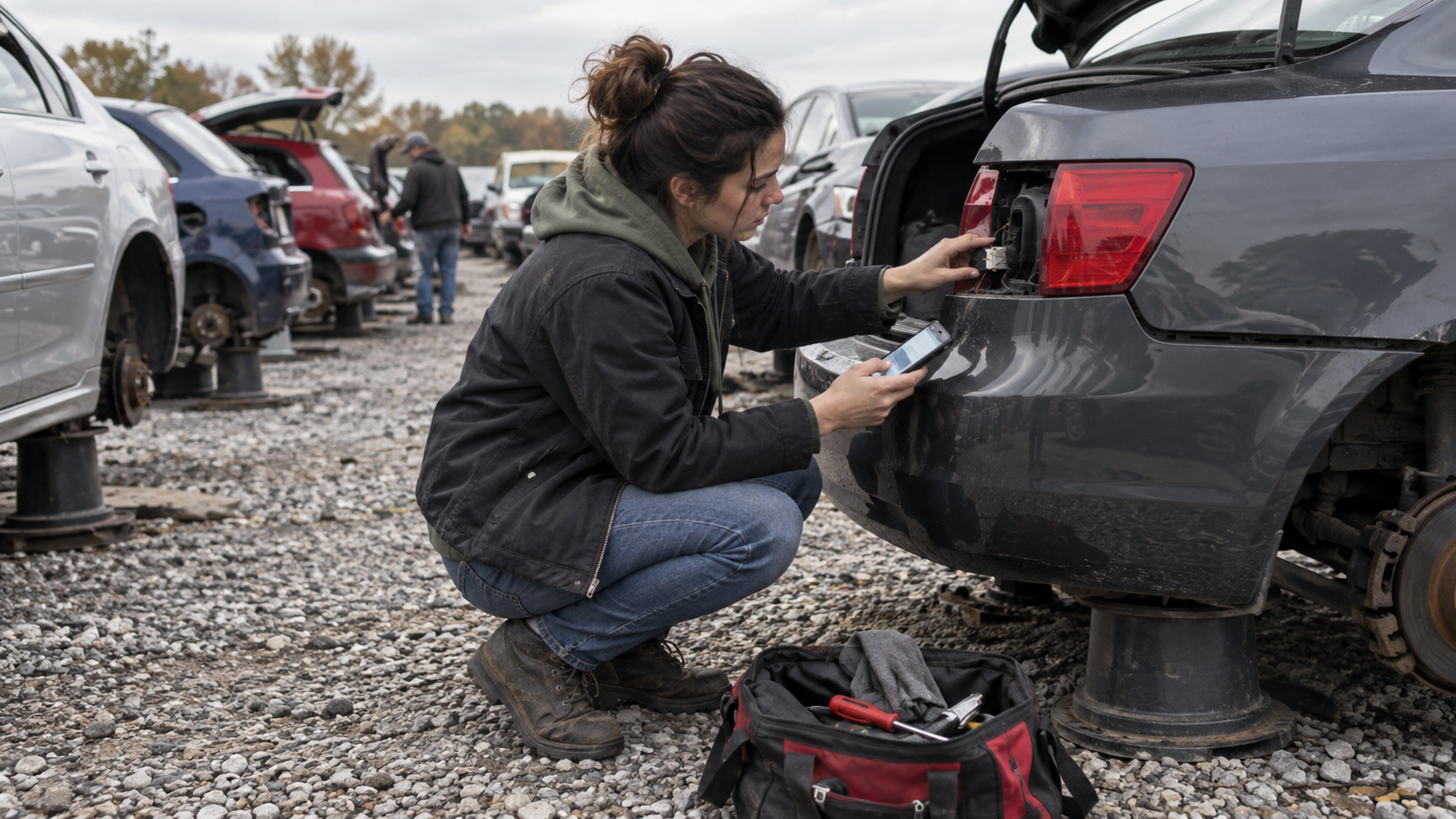
Pull-A-Part is a self-service salvage operation, meaning you bring your own tools and pull the parts you need yourself to save on labor. At many of its locations, Pull-A-Part also sells used cars. Because the company buys vehicles every day, it sorts them, keeping some as drivable used cars and sending others to the yard for parts. That means the cars offered for sale have already been separated from the ones headed for dismantling.
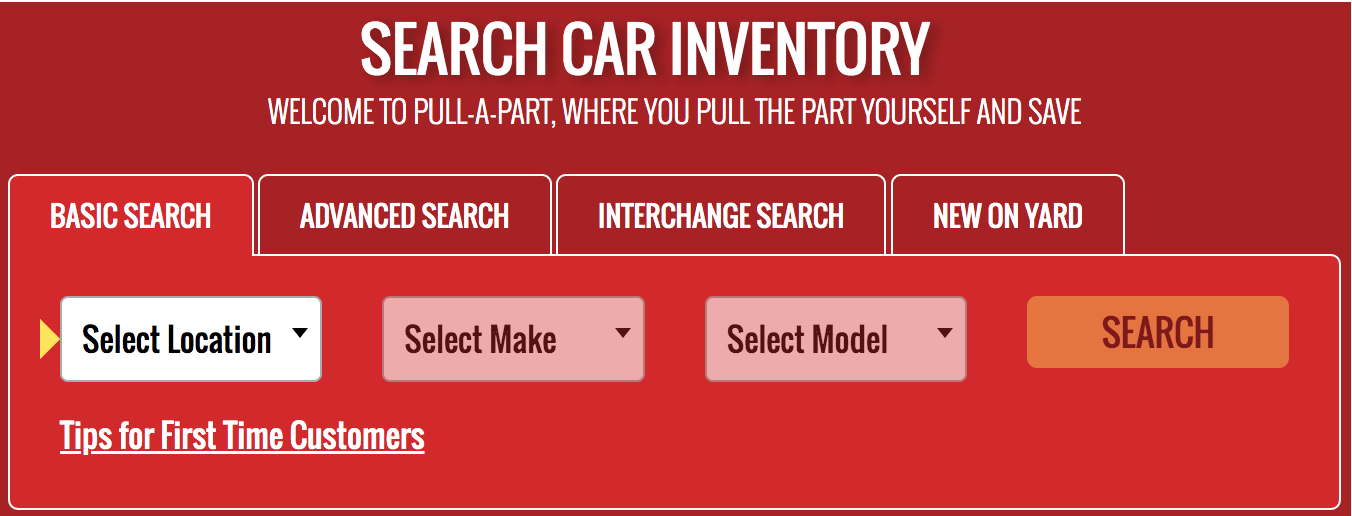
The biggest practical difference from a Craigslist or Facebook sale is who you are dealing with. Instead of meeting an anonymous seller in a parking lot, you are buying from a business at a fixed address with staff you can talk to. If you want to compare what is available without the guesswork of a private listing, you can shop affordable used cars by location and see current options near you.
What to keep in mind before you buy a Pull-A-Part used car
Affordable does not mean flawless, and a low price is not a substitute for doing your homework. Pull-A-Part's used cars are typically sold as-is, so the smart-buyer steps above still apply. Inspect the car, consider a mechanic's pre-purchase inspection, and run the VIN through a vehicle history check before you commit. Inventory also changes constantly as cars are bought and sold, so anything you see online can come and go quickly. Check the current selection before you make a trip, and ask staff what is actually on the lot that day.
Lowering the overall cost of your next car
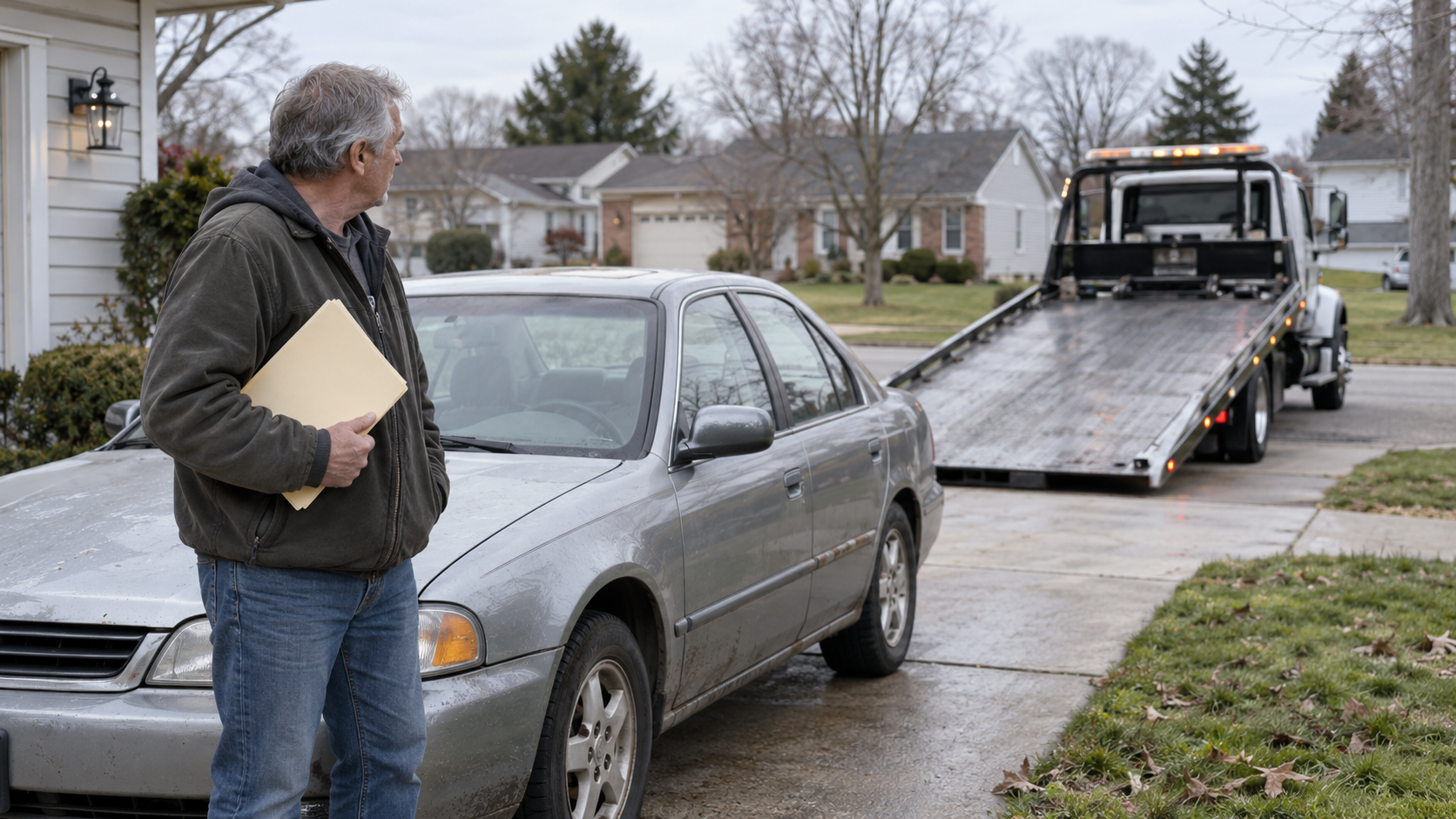
Buying smart is only part of saving money. If you are upgrading, your old vehicle can help fund the next one. Rather than letting it sit, you can sell your current car for cash and put that money toward your purchase, even if the car no longer runs.
Ownership costs do not stop at the purchase either. One advantage of buying an older, affordable car is that replacement parts are usually inexpensive, especially when you pull them yourself. If a repair comes up later, you can find a Pull-A-Part location near you and source used parts at a fraction of new-part prices, which helps keep a budget car on the road without budget-breaking repair bills.
A smarter, lower-cost way to buy your next used car
There is nothing wrong with shopping for a bargain, but a cheap used car only saves you money if it does not turn into a problem after you sign. The buyers who come out ahead are the ones who verify the title, check the vehicle's history, and inspect before they pay, no matter where the car is listed. Buying from an established business like Pull-A-Part removes much of the seller-side uncertainty that makes private marketplaces stressful, while still leaving the smart steps in your hands. Do that homework consistently, and you can find a dependable, affordable car without rolling the dice on a stranger's listing.