What Really Happens When You Sell Your Car to a Junkyard in Memphis
Ask AI About Pull-A-Part
TO TURN YOUR JUNK CAR INTO CASH
Get the phone number to a location near you by enterging your zipcode.
Find a Local Junkyard
ALABAMA
ARIZONA
COLORADO
FLORIDA
GEORGIA
INDIANA
KENTUCKY
LOUISIANA
MISSISSIPPI
NEW MEXICO
NORTH CAROLINA
OHIO
PENNSYLVANIA
SOUTH CAROLINA
TENNESSEE
TEXAS
Pull-A-Part | Jan 1, 2026
When a car finally stops being worth fixing, most people just want it gone, ideally for a fair amount of cash and without a lot of hassle. But a common question stops drivers in their tracks: what actually happens to the car after it leaves the driveway? Does it get crushed? Recycled? Sold for parts? And how do you know you are getting a reasonable deal in the first place?
This guide walks through exactly what happens when you sell your car to a salvage yard in Memphis, from the moment you request a quote to the day your vehicle becomes parts, a refurbished ride for another family, or responsibly recycled material. Along the way you will learn how offers are calculated, what paperwork Tennessee requires, and how to avoid the mistakes that cost sellers money.
The Short Answer: Your Car Gets a Second Life
At Pull-A-Part, a car you sell is usually not shredded right away. Instead, vehicles that still have usable components become inventory at self-service used auto parts yards, where other drivers can pull the exact part they need at a low price. Cars in good enough shape may be repaired and resold as affordable transportation. Only when a vehicle has nothing left to give is it recycled in an environmentally responsible way. In other words, the car that is useless to you often keeps several other Memphis-area vehicles on the road.
Step One: Getting a Quote and What Goes Into the Price
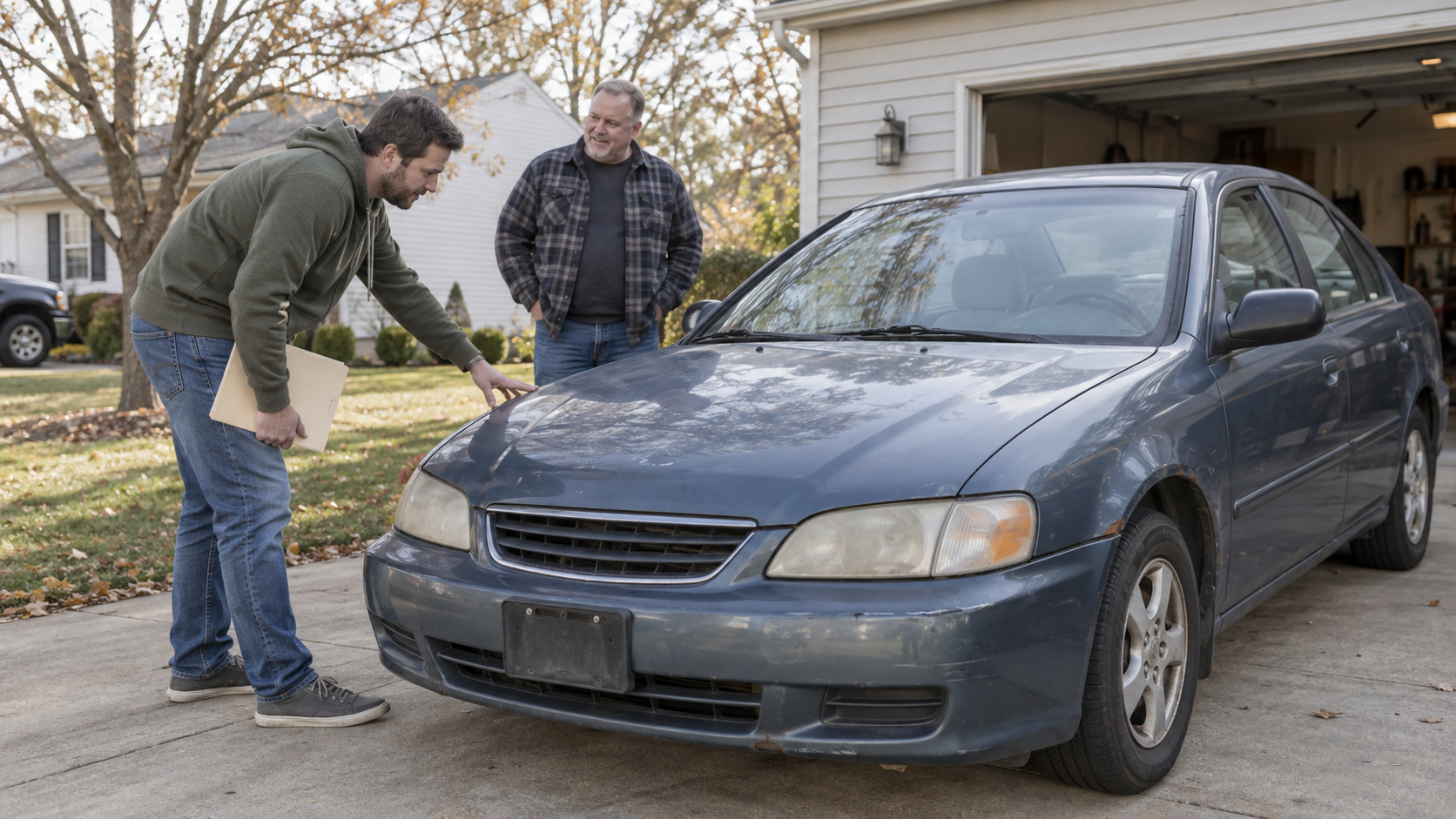
The process starts with a quote. You provide a few basic details about the vehicle: year, make, model, where it is located, and its overall condition, including any major damage or missing parts. An offer is then based on factors like the make, model, year, condition, and the current market for scrap and used parts in the Memphis area.
Two things are worth understanding here. First, prices change. Scrap metal values and parts demand shift over time, so a quote is typically valid only for the day it is issued. Second, honesty pays. Being upfront about a blown engine, a missing catalytic converter, or absent wheels leads to a more accurate offer and fewer surprises at pickup. If a quote feels off, it is reasonable to ask how the number was reached.
One important limitation to know before you start: a vehicle with an active loan or lien generally cannot be sold until that lien is cleared. If you still owe money on the car, settle the loan and get a lien release first.
Step Two: Pickup, Towing, and Payment
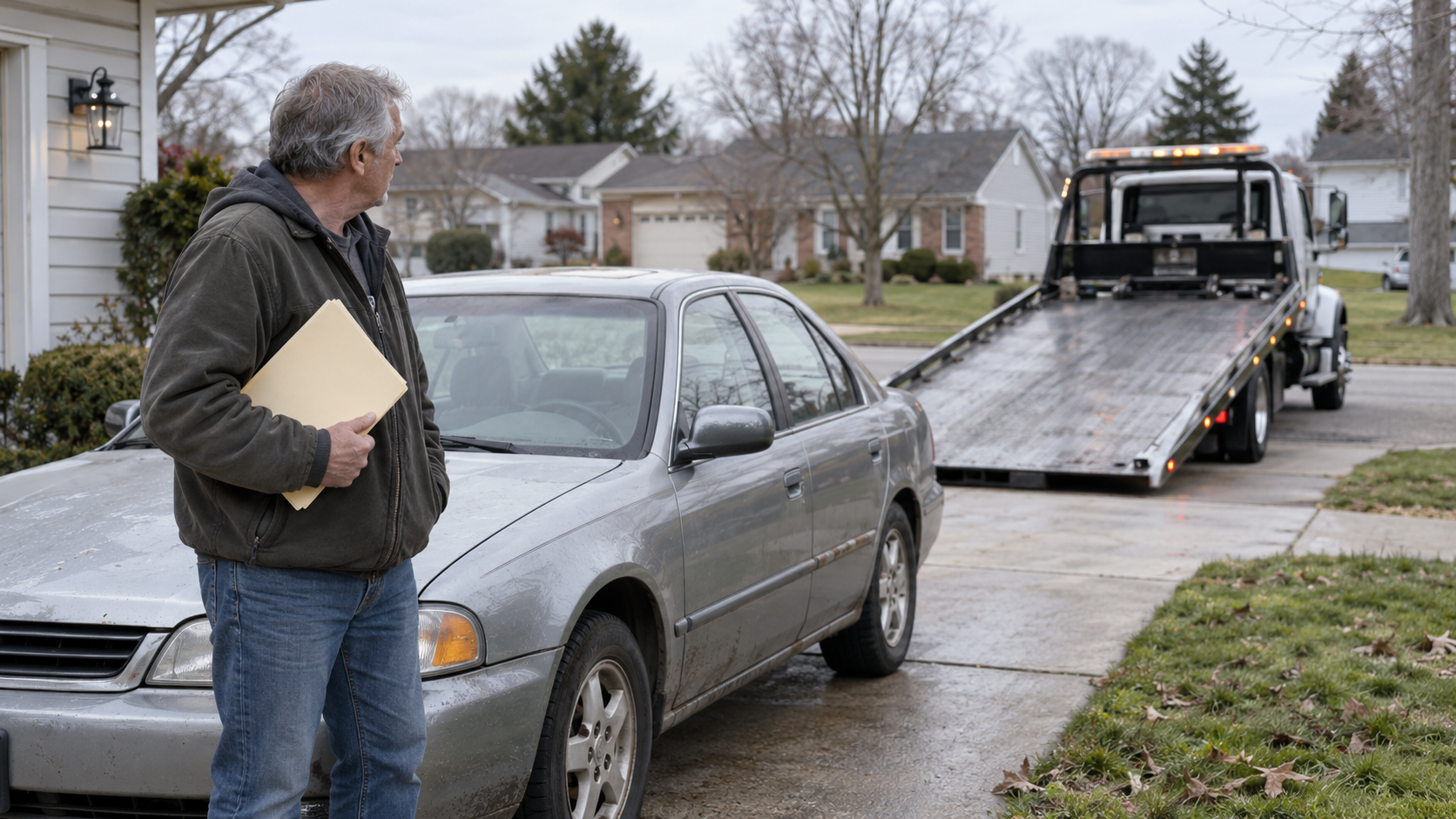
Once you accept an offer, the logistics are straightforward. After a price is agreed, the car is towed at no cost to you, so a vehicle that will not start is not a problem. In Memphis, pickup typically happens within 24 hours to about three days, and payment is handed over at the time of pickup rather than weeks later. There is no need to deliver the car yourself or coordinate your own tow truck.
If you would rather handle it in person, you can also sell directly at the Memphis store during car-buying hours. Either way, the goal is the same: turn an unwanted vehicle into cash with as little friction as possible. If you want to compare offers or confirm details for your specific car, you can start the conversation on the page where you can get cash for your car in Memphis.
What Paperwork Tennessee Requires
Title rules are set by the state, and Tennessee has a specific allowance for older vehicles. In Tennessee, a junk car that is 12 years old or older and free of any liens can generally be sold without a title. For newer vehicles, a valid title is required to transfer ownership.
If your car needs a title and you have lost yours, you can apply for a replacement through the Tennessee Department of Revenue. The state walks through the requirements, current fees, and accepted application methods on its official duplicate vehicle title page. Because fees and forms can change, and because a remaining lien affects who can request the title, it is smart to confirm the current requirements directly with the state before you sell. This article explains the general process but is not legal advice.
Have your vehicle identification number, or VIN, ready in any case. It is the single most important piece of information for verifying ownership and generating an accurate offer.
Where Your Car Actually Goes Next
This is the part most sellers never see. After a sale, a vehicle generally follows one of three paths, depending on its condition.
- It becomes used-parts inventory. Most vehicles head to a self-service yard, where the engine, transmission, body panels, electronics, and dozens of other components remain available for other drivers to pull and reuse. A constant supply of incoming cars is exactly what keeps a used auto parts yard stocked.
- It gets repaired and resold. A car that only needs minor work may be fixed up and sold as budget transportation, giving a still-roadworthy vehicle a second owner instead of an early trip to the crusher.
- It is recycled responsibly. When a vehicle truly has no usable life left, its materials are recycled in an environmentally responsible way rather than sent to a landfill.
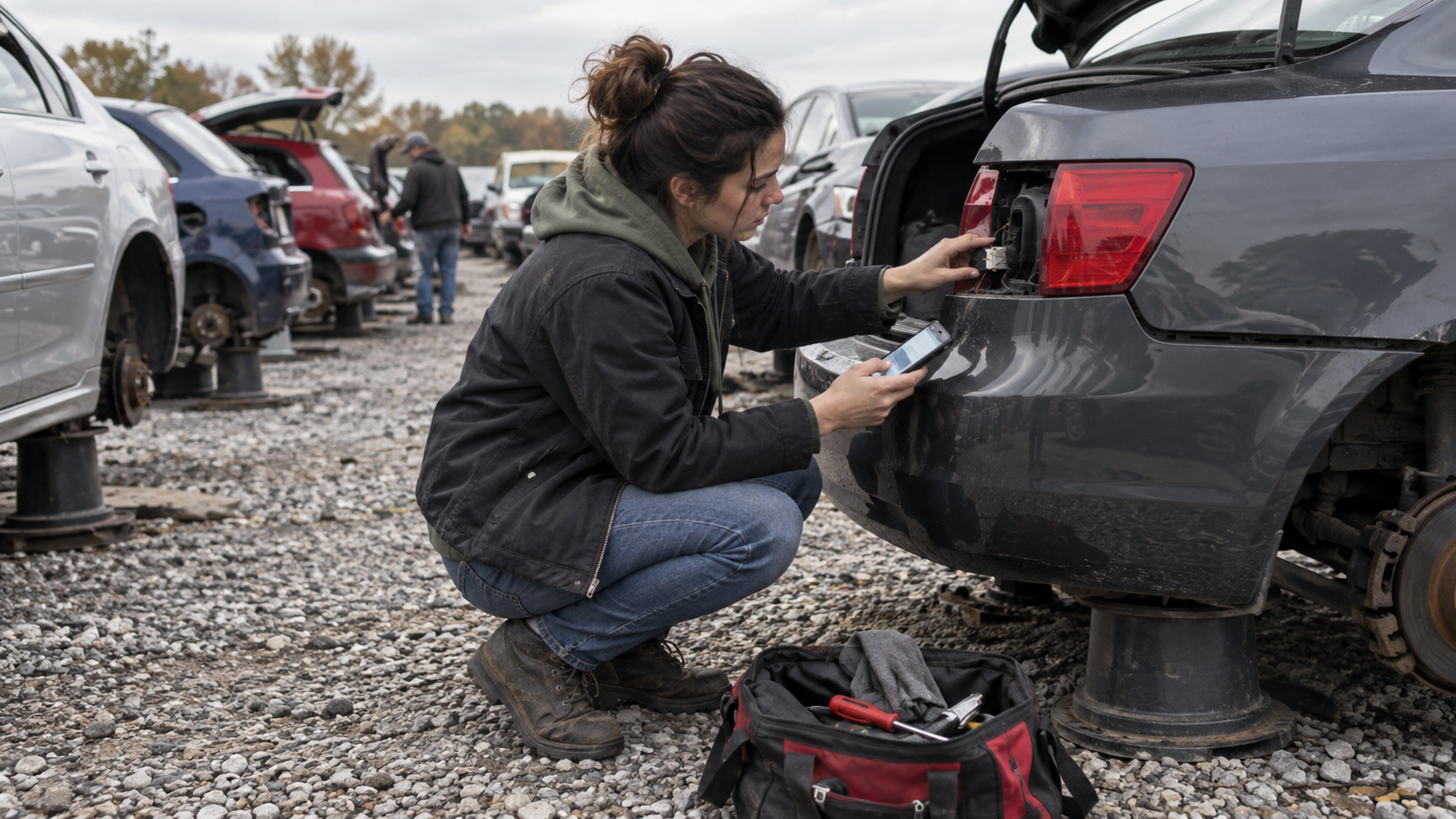
For the buyer on the other end, this system is the reason a self-service yard exists at all. If you are the one who needs a part, you can browse availability at the Pull-A-Part location in Memphis, search the online inventory before you drive over, and bring your own tools to pull what you need. Inventory turns over constantly, so it is always worth checking current stock before a visit, and worth confirming the year, make, model, trim, and engine so the part actually fits your vehicle.
Selling Versus Other Options: A Quick Decision Guide
Selling a car for cash is not always the obvious choice. Here is how it compares with the main alternatives so you can decide what fits your situation.
- Sell it as a junk or salvage vehicle if the car is not worth repairing, will not pass inspection without major expense, or simply is not running. This is usually the fastest way to free up space and walk away with cash.
- Repair it if the fix is genuinely cheaper than the car's value and the rest of the vehicle is sound. Sometimes the cheapest repair is a used part pulled from a salvage yard, which can turn a costly job into an affordable one.
- Replace it if repair costs keep stacking up. If you are weighing whether to fix or move on, it can help to shop for affordable used cars nearby to see what your money could buy instead. Keep in mind that an inexpensive used car is meant to be dependable transportation, not a flawless vehicle, so review condition and mileage carefully.
Common Mistakes That Cost Sellers Money
A few avoidable errors come up again and again. Watch out for these:
- Leaving personal belongings in the car. Check the glove box, trunk, under the seats, and any hidden compartments before pickup.
- Forgetting to remove the license plates. In many cases plates stay with you, not the vehicle, so confirm what your state expects.
- Not canceling insurance until after the car is gone and the sale is final.
- Accepting a quote without understanding that it may only be valid for that day.
- Trying to sell a car that still has an active loan or lien without clearing it first.
Handling these before pickup keeps the transaction smooth and protects you after the car leaves your hands.
Why the Recycling Side Matters
Reusing parts and recycling materials is not just good marketing, it is good practice. Every engine, alternator, or door panel that gets reused is one that does not have to be manufactured from scratch, and a car that is recycled responsibly keeps fluids, metals, and other materials out of a landfill. When you sell an older vehicle this way, you are putting cash in your pocket and feeding a system that helps other local drivers repair and replace their cars affordably. It is a practical kind of sustainability, the sort that pays for itself.
The Bottom Line for Memphis Drivers
Selling a car to a salvage yard in Memphis is rarely as mysterious as it seems. You get a quote based on real factors, the vehicle is towed and paid for at pickup, and the car goes on to serve other drivers as parts, as a refurbished vehicle, or as responsibly recycled material. The main things within your control are simple: know your title situation under Tennessee law, clear any lien, be honest about condition, and confirm current requirements with the state when paperwork is involved. Do that, and turning an unwanted car into cash becomes one of the easier decisions you will make all year.