Walk through almost any self-service salvage yard in Tennessee and you'll notice the same thing row after row: pickup trucks. Full-size pickups have been among the best-selling vehicles in the United States for years, so it makes sense that they also turn up in junkyards in large numbers. For a do-it-yourself mechanic, that's good news. A truck-heavy lot usually means steady access to common, reusable parts at prices well below new.
This guide is built around the task most readers actually have in mind: finding the right used truck part without wasting a trip. It covers which trucks you're most likely to see in Tennessee yards, which parts tend to be worth pulling, how to plan a productive visit, and how to confirm a part will fit before you spend any money. If your own truck is the one headed to the yard, the final sections explain your repair, replace, and sell options too.
Which Trucks You'll See Most in Tennessee Salvage Yards
Inventory changes constantly, so no list is ever guaranteed on a given day. That said, a handful of nameplates show up again and again simply because so many were sold and driven hard. When you're scanning the lot, these are the trucks most likely to be present in numbers:
- Ford F-150 — Consistently one of the highest-volume vehicles in the country, which means broad parts availability and a lot of shared components across model years.
- Chevrolet Silverado 1500 and GMC Sierra 1500 — Mechanical siblings that share many parts, so a Sierra in the yard may carry pieces that fit a Silverado and vice versa.
- Ram 1500 (and older Dodge Ram) — Common across work and personal use, with a long production history that keeps older parts circulating.
- Toyota Tacoma and Tundra — Popular and long-lived, so they appear regularly even though they tend to stay on the road longer.
Because these trucks sold in such high volumes, many of their parts interchange across several model years. That overlap is part of why pickups are such a reliable source of affordable components, but it's also why confirming exact fitment matters, which we'll get to below.
Why So Many Pickups End Up in Salvage Yards
Trucks earn their place in the yard the same way they earn their reputation on the road. They tow, haul, and work job sites, and that demanding duty cycle adds up to high mileage and heavier wear over time. Add in collision damage, drivetrain or transmission failure, rust on older frames, and the simple math of a repair costing more than the truck is worth, and a steady stream of pickups moves into salvage every year.
For a parts hunter, that lifecycle is an advantage. A truck that's no longer worth driving can still hold dozens of solid components, from body panels and lighting to suspension and interior pieces. The skill is matching the right part to your project and confirming its condition before you pull it.
Truck Parts Worth Pulling — and What to Check First
The parts most worth your time tend to be the ones that are expensive new, durable enough to reuse, and reasonable to remove with hand tools. On many pickups, that includes:
- Body and exterior pieces: doors, hoods, tailgates, bed panels, mirrors, grilles, and bumpers.
- Lighting: headlights, taillights, and fog lamps, which crack or fog easily and cost a lot to replace new.
- Brake and suspension components: calipers, brackets, control arms, and related hardware.
- Charging and starting parts: alternators and starters.
- Air conditioning components: compressors and related fittings.
- Interior items: seats, trim panels, switches, and console pieces.
- Wheels and accessories: steel and alloy wheels, plus bed and towing hardware.
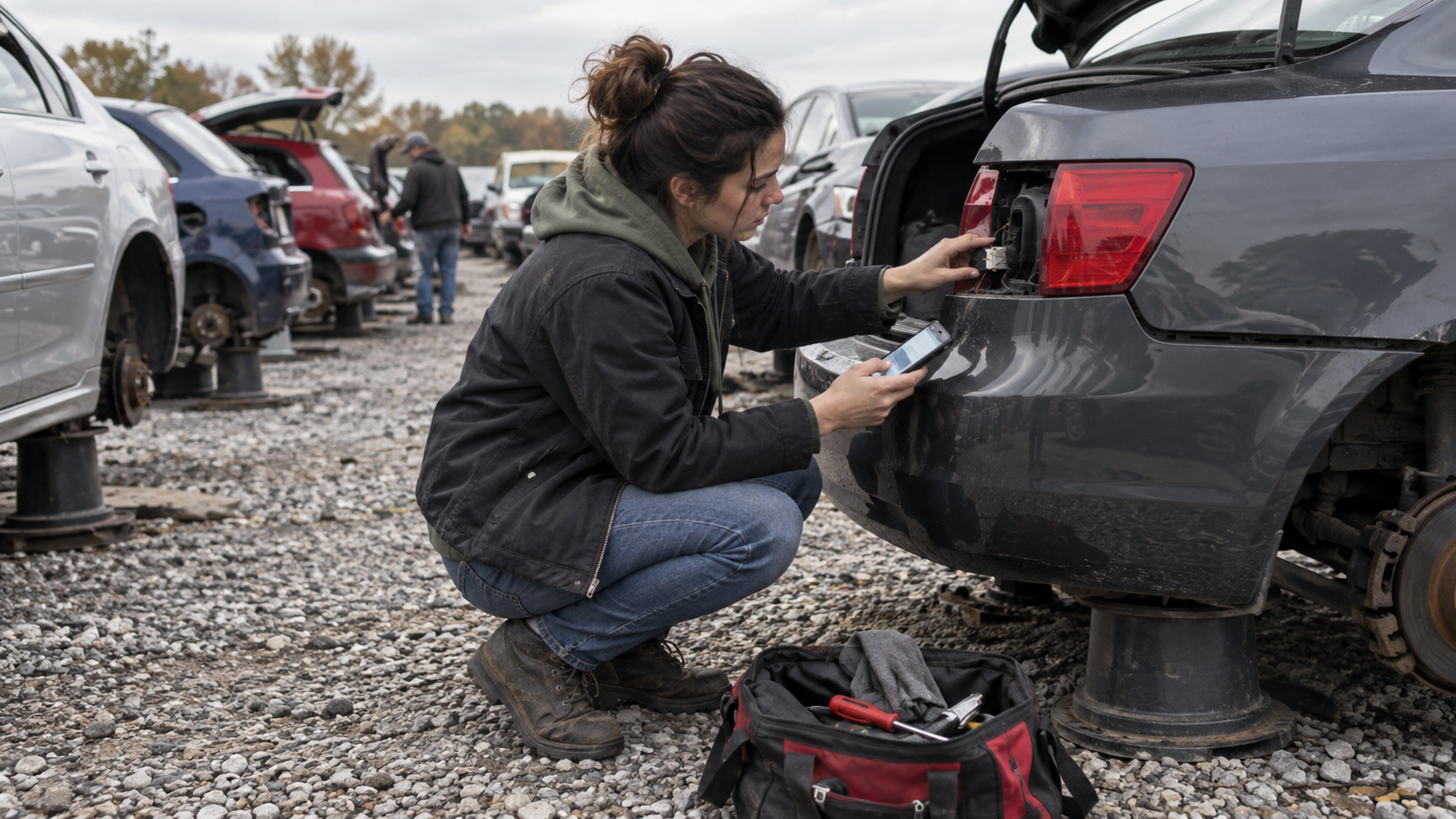
Treat every used part as something to inspect, not something guaranteed to work. Look for cracks, corrosion, leaking seals, worn bushings, and signs of prior overheating or impact. Electronic modules and some sensors may need programming or pairing to your vehicle, so factor that in before counting on them. A used part can save you a lot of money, but only when its condition matches the job you're asking it to do.
How to Plan a Productive Yard Run
A little preparation is the difference between a quick win and a wasted afternoon. Most self-service yards, including Pull-A-Part, let you pull the parts yourself, so come ready to work. Use this checklist before you go and while you're there:
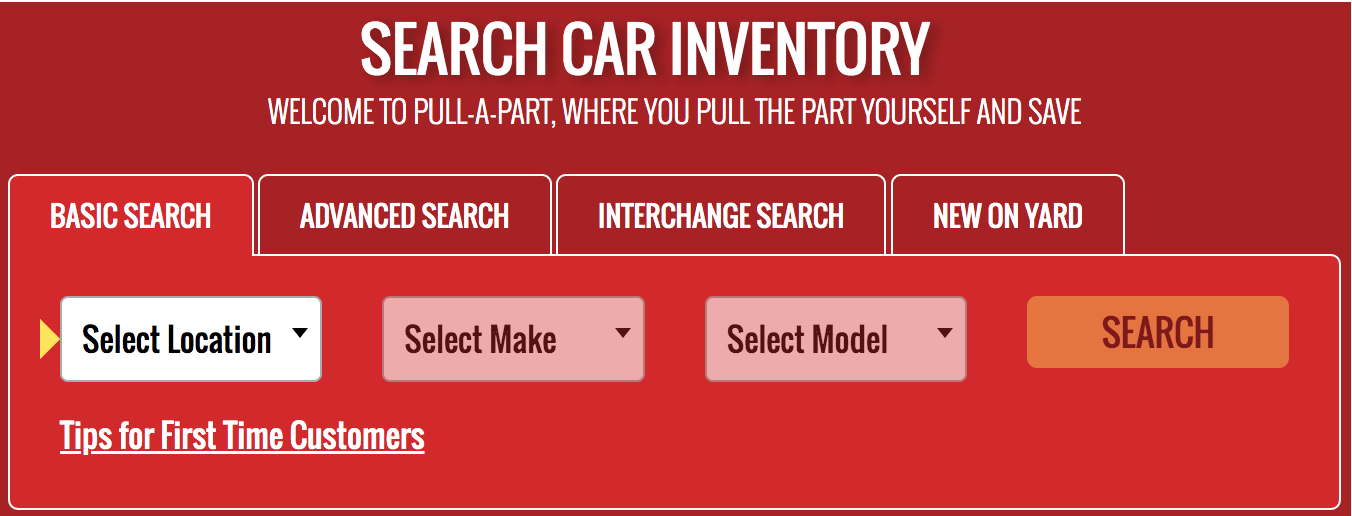
- Check current inventory first. Yard stock turns over constantly, so look up what's on the lot online before driving out. A vehicle listed today may be picked over or crushed tomorrow.
- Write down your vehicle details. Bring the year, make, model, trim, and engine for the truck you're repairing so you can match parts accurately.
- Pack the right tools. A basic socket set, wrenches, screwdrivers, pliers, a pry bar, and penetrating oil cover most pulls. Gloves and closed-toe shoes are essential.
- Bring measurements or the old part. Comparing side by side is the fastest way to avoid a mismatch.
- Plan for weather and time. Yards are outdoors and parts can be stubborn, so give yourself enough daylight.
If you're not sure where to start, Pull-A-Part operates self-service yards in Nashville, Memphis, and Knoxville. You can begin your search at Pull-A-Part's self-service yard in Nashville to check hours, location details, and how the part-pulling process works.
How to Make Sure a Used Truck Part Will Fit
Fitment is where DIY parts shopping succeeds or fails. Two trucks can look identical and still use different components depending on the build. Before you pull anything, confirm the following against your own vehicle:
- Year, make, and model: the starting point, but rarely enough on its own.
- Trim and engine: different engines and trim levels often use different brackets, wiring, and mounting points.
- Drivetrain: two-wheel drive versus four-wheel drive can change suspension, axles, and more.
- Part interchange information: many parts are shared across multiple model years and even across sibling models, so an interchange lookup can widen your options.
When in doubt, verify the interchange details rather than assuming. Matching all of these factors up front is the single best way to avoid bringing home a part that won't bolt on.
When the Truck You're Working On Isn't Worth Fixing
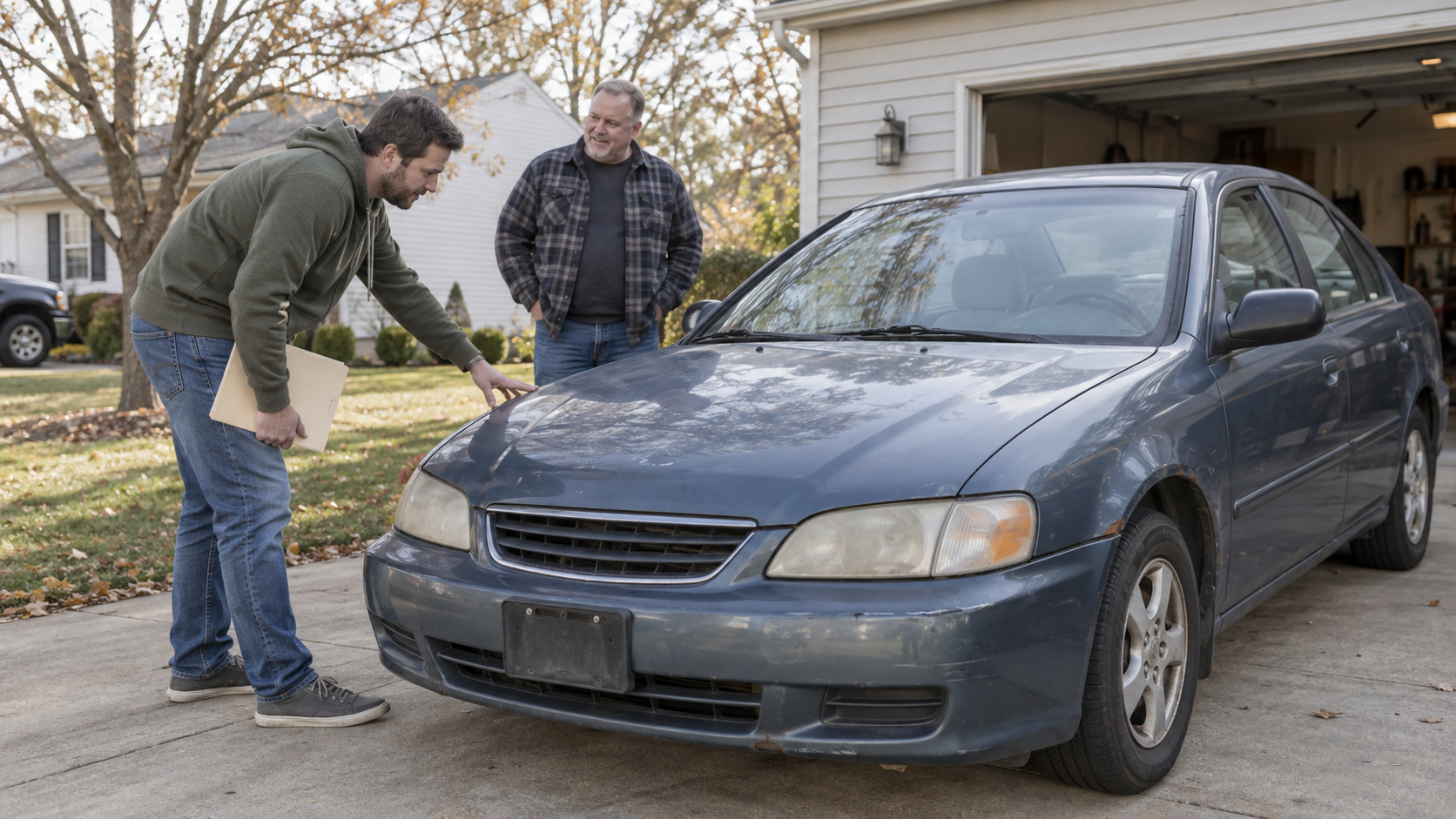
Sometimes the smarter move is to stop pouring money into a tired truck. A good rule of thumb is to compare the repair cost against the vehicle's current value and your confidence that the fix will hold. If the numbers don't add up, replacing the truck may cost less over the next year than keeping it running.
If you decide to replace it, you don't have to buy new. You can shop for a quality, affordable used car or truck and put your repair budget toward something more dependable. Keep in mind that "affordable" doesn't mean perfect, so inspect any used vehicle carefully and confirm it suits how you actually drive.
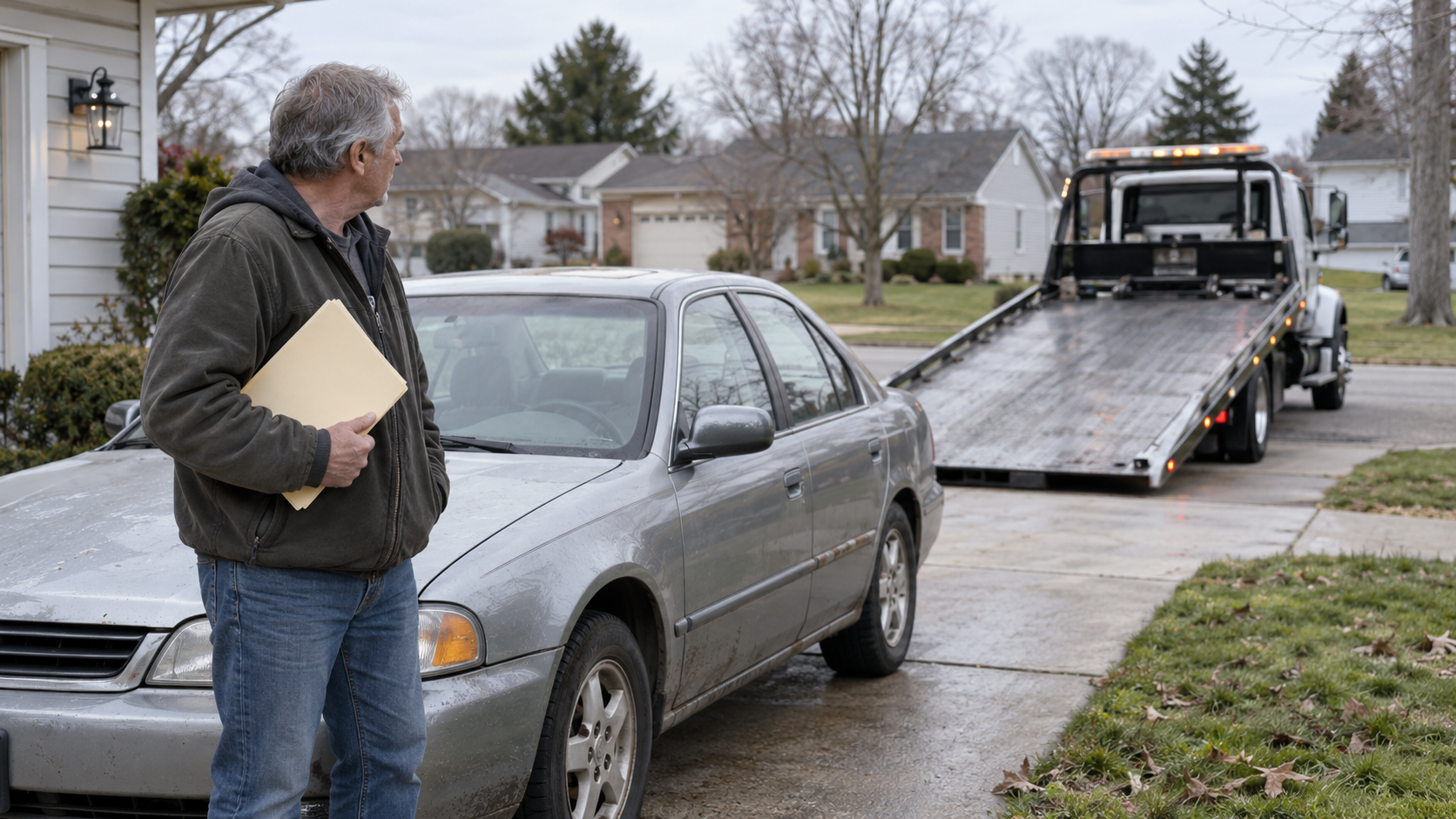
If the old truck is truly at the end of its life, you can sell your junk truck for cash instead of letting it sit. In most cases you'll need the title to transfer ownership, and the exact paperwork, plate-surrender, and notice-of-sale rules vary by state. Tennessee owners can confirm current requirements on the Tennessee Department of Revenue's title and registration page before completing a sale. This isn't legal advice, so check with the official agency for your specific situation.
Turning Yard Knowledge Into Real Savings
The reason trucks fill Tennessee junkyards is the same reason they're such a useful resource: they were everywhere on the road, so their parts are everywhere in the yard. Knowing which models to look for, which parts tend to hold up, how to plan your visit, and how to confirm fitment turns a casual walk through the lot into a focused, money-saving search.
Whether you're keeping a work truck running, fixing up a daily driver, or deciding it's finally time to move on from a vehicle that's done its job, a self-service yard gives you options on every front. Check current inventory, come prepared, verify your fitment, and you'll get the most out of every trip.