How to Sell Your Junk Car in 24 Hours: A Step-by-Step Guide
Ask AI About Pull-A-Part
TO TURN YOUR JUNK CAR INTO CASH
Get the phone number to a location near you by enterging your zipcode.
Find a Local Junkyard
ALABAMA
ARIZONA
COLORADO
FLORIDA
GEORGIA
INDIANA
KENTUCKY
LOUISIANA
MISSISSIPPI
NEW MEXICO
NORTH CAROLINA
OHIO
PENNSYLVANIA
SOUTH CAROLINA
TENNESSEE
TEXAS
Pull-A-Part | Aug 28, 2025
If you have an old car taking up space in the driveway and you want it gone fast, the good news is that selling a junk car usually takes far less time than people expect. With the right buyer and a little preparation, many sellers go from a first phone call to cash in hand in about a day. This guide walks you through exactly how that works, what you need to have ready, and how to avoid the delays that slow most sales down.
Selling a junk car can feel intimidating if you have never done it. You might worry about confusing paperwork, lowball offers, hidden fees, or getting stuck with a non-running vehicle no one wants to haul away. The process is more straightforward than it looks once you understand the basic steps and the documents involved.
By the end of this article, you will know how to get a fair quote, prepare your vehicle and title, schedule a pickup, and finish the sale quickly and safely — whether your car runs or not.
Can You Really Sell a Junk Car in 24 Hours?
Yes. In many cases you can sell a junk car within 24 hours, and sometimes the same day. The speed comes down to three things: how quickly you can get an offer, whether your paperwork is in order, and how soon a buyer can pick the vehicle up. When all three line up, a one-day sale is realistic.
Buyers like Pull-A-Part are set up for speed. You can request a no-obligation quote by phone or online, and if you accept the offer, pickup is frequently scheduled within a day. Because Pull-A-Part provides free junk car removal, you do not have to arrange your own tow for a car that no longer runs, and payment is made in cash when the vehicle is collected.
What slows a sale down is almost always paperwork. A missing title, a name on the title that does not match your ID, or an unresolved loan (called a lien) on the vehicle can each add days. The preparation steps below help you clear those hurdles before they cost you time.
What Counts as a Junk Car?
A junk car is simply a vehicle worth more for its parts and scrap metal than as a running car. It does not have to be a total wreck. Cars are commonly sold as junk when they:
- No longer run, or would cost more to repair than they are worth
- Have major body, frame, flood, or collision damage
- Are very high-mileage or very old
- Failed inspection or emissions and are not worth fixing
- Have been sitting unused and slowly deteriorating
Pull-A-Part buys cars in a wide range of conditions, running or not, regardless of age or size. Even so, every vehicle is different, so the only way to know what yours is worth — and to confirm that a buyer purchases cars in your area — is to request a quote.
Get Your Paperwork and Car Ready
A little preparation is the single biggest thing you can do to sell quickly. Start with the title and registration, since this is where most delays come from.
Your vehicle title is the document that proves you own the car and lets you legally transfer ownership. Have it on hand before you schedule a pickup. In most cases you will need the title at the time of sale, but some states let you sell a junk car with just your license and registration, and a few allow a sale without a title under certain conditions. The rules for transferring a title, selling without one, removing a lien, canceling registration, and returning license plates vary from state to state. Confirm what applies to you through your state motor vehicle agency, and ask the buyer what documents they require. Pull-A-Part handles the transfer paperwork according to the laws in the state where the car is located, but knowing your state's requirements ahead of time keeps the sale moving.
Once your documents are sorted, get the car itself ready:
- Remove all personal belongings, checking under and between seats, the glove box, center console, trunk, and visors.
- Take out any aftermarket electronics or add-ons you want to keep.
- Collect loose items such as spare keys and the owner's manual.
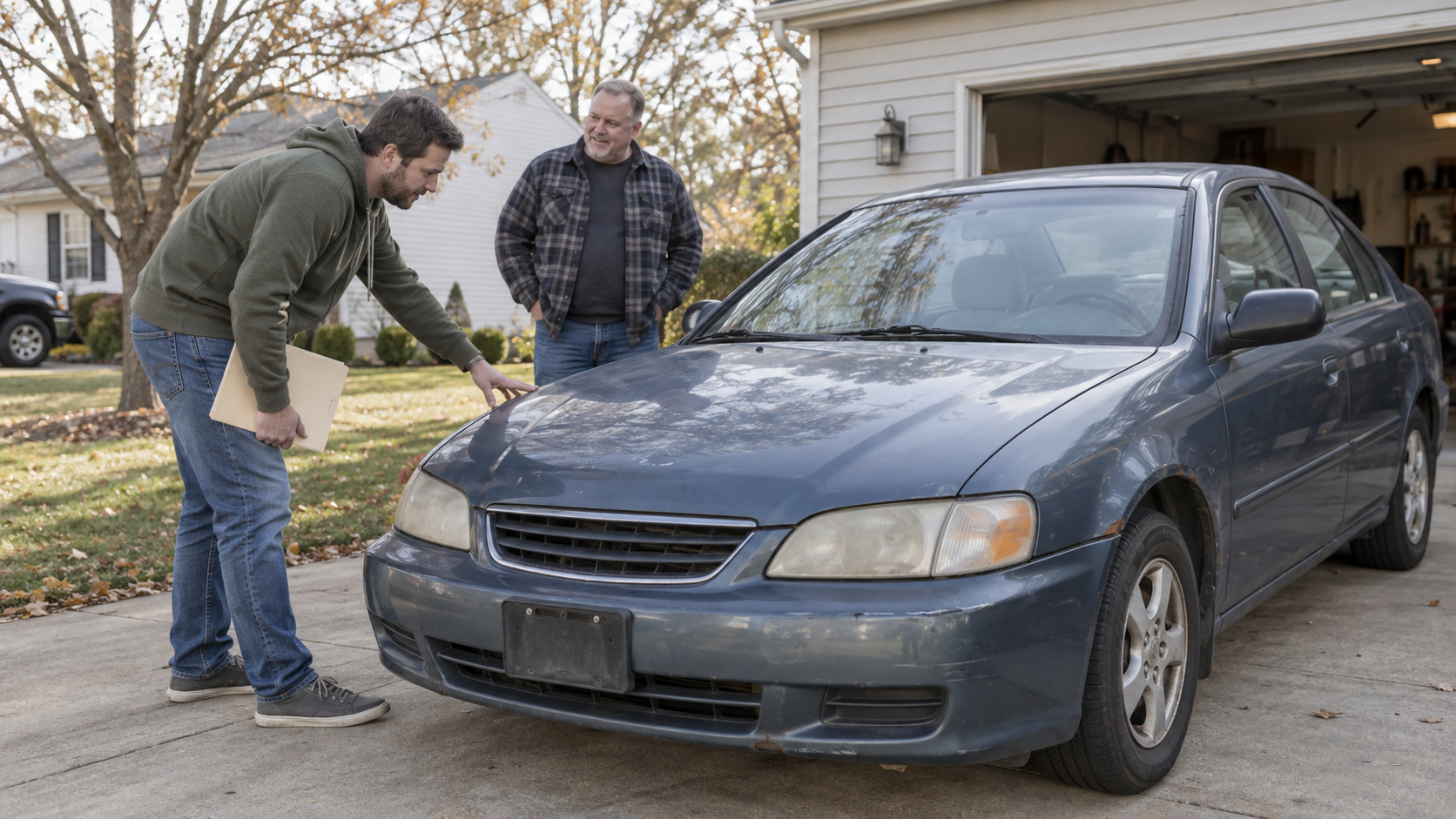
- Note the car's condition honestly, including anything missing — like the battery, catalytic converter, wheels, or major components — since that can affect the offer.
- Check your state's rules on whether to remove the license plates before the car is towed.
Being upfront about the vehicle's condition when you request your quote leads to a more accurate offer and fewer surprises at pickup.
How to Sell Your Junk Car in 24 Hours, Step by Step
Here is the basic process from start to finish. With your paperwork ready, most sellers move through these steps in a single day.
- Get a free quote. Share the year, make, model, location, and condition of your vehicle. You can get cash for your car by requesting a no-obligation quote online or by phone, and you will receive an offer based on those details.
- Review and accept the offer. A good buyer explains how the price was reached. There is no obligation to accept, so take a moment to make sure the number makes sense for your car.
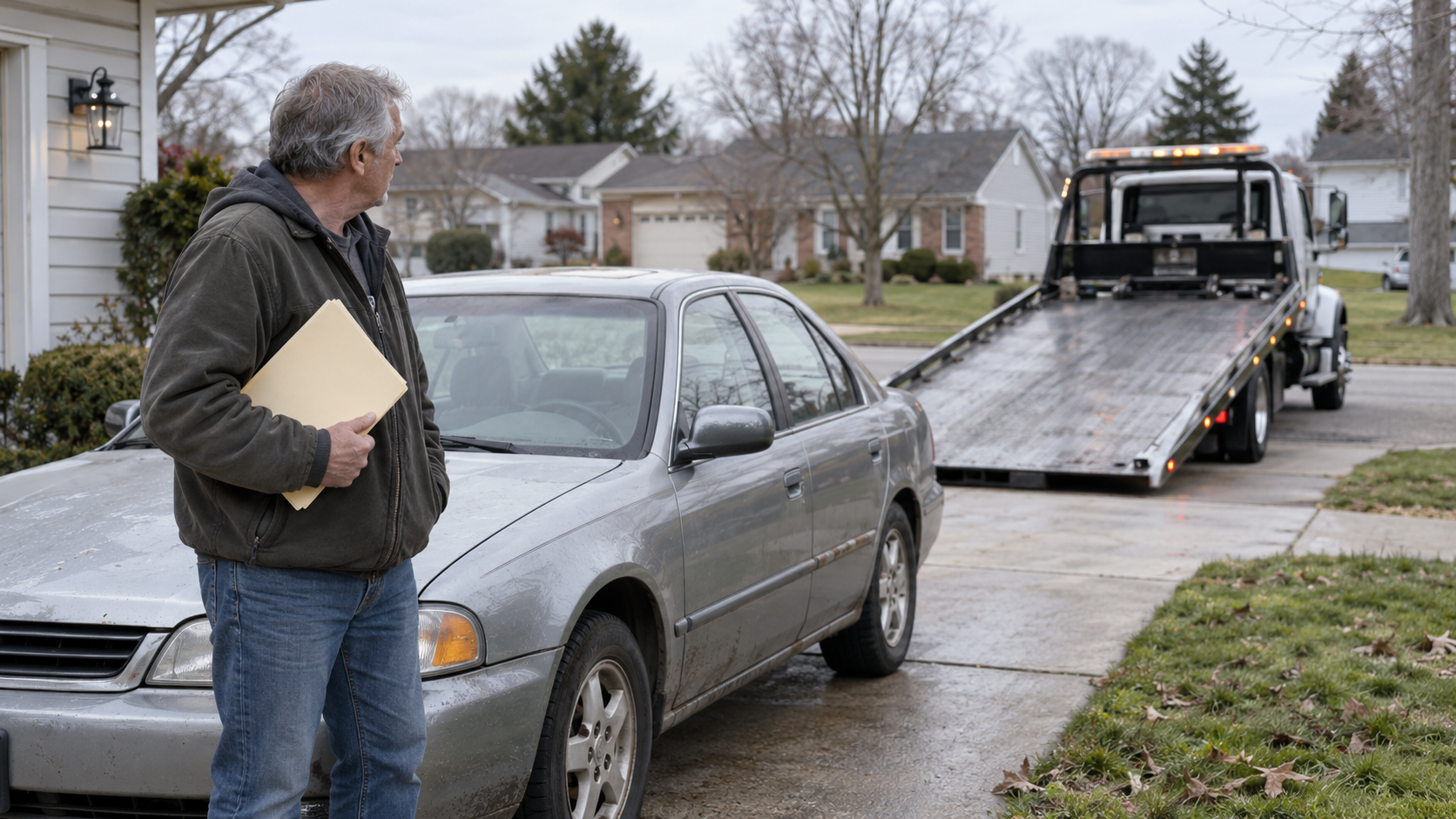
- Schedule the pickup. Once you accept, arrange a time for removal. If your car does not run, free towing is part of the process, so you do not need to get it to a lot yourself.
- Hand over the keys and paperwork. At pickup, provide the title (or the documents your state requires) along with the keys, and complete the ownership transfer.
- Get paid. Pull-A-Part pays cash when the vehicle is collected, typically within 24 hours of accepting the offer.
If you would rather drop the car off, or you simply want to confirm that a buyer serves your area, you can find a Pull-A-Part location near you and call ahead before you schedule.
How Junk Car Offers Are Calculated
Junk car prices are not one-size-fits-all. The offer you receive reflects several factors:
- The vehicle's year, make, and model, and how much demand there is for its parts
- Its overall condition and whether it runs
- Whether valuable components such as the catalytic converter, engine, or transmission are intact
- The current price of scrap metal, which changes over time
- Your location and local market conditions
Because these factors shift, two similar cars can receive different offers, and the same car may be worth more or less at different times. Treat any online estimate as a starting point and confirm the final figure when the buyer inspects the vehicle.
Common Junk Car Selling Mistakes to Avoid
- Leaving personal information behind. Old registration, insurance cards, or mail with your address can end up in the wrong hands.
- Accepting a vague offer. If a buyer will not explain the price or keeps lowering it once you arrive, treat that as a warning sign.
- Ignoring the title situation. Find out early whether your state lets you sell without a title and which documents you need.
- Leaving the plates and active registration. In many states the plates stay with you, and you may need to cancel the registration to stop ongoing fees or liability.
- Forgetting to cancel insurance. Once the car is sold, contact your insurer so you are not paying for coverage you no longer need.
After the Sale: Tie Up Loose Ends and Replace Your Car
Selling the car is not quite the final step. Depending on your state, you may need to cancel the vehicle's registration, return or transfer the license plates, and notify your insurer. Your state motor vehicle agency can tell you exactly what is required so you are not left responsible for a car you no longer own.
If you sold your old car because you still need a way to get around, you do not have to spend a fortune on a replacement. Many Pull-A-Part locations also sell vehicles, so you can shop for affordable used cars that are ready to drive. As with any used vehicle, check its condition and history and make sure it fits your needs before buying, since affordable does not automatically mean right for everyone.
The Bottom Line
Selling a junk car quickly comes down to two things: a little preparation and a straightforward buyer. Gather your title and registration, clear out the car, be honest about its condition, and request a no-obligation quote. From there, accepting an offer, scheduling a free pickup, and getting paid can often happen within a day. Pull-A-Part's process is built around that kind of speed and clarity, with cash on pickup and free removal for cars that no longer run. Take a few minutes to get your paperwork in order, request your quote, and turn that unused car into cash without the hassle.