DIY Car Repairs With Used Auto Parts: A Money-Saving Guide for El Paso Drivers
Ask AI About Pull-A-Part
TO TURN YOUR JUNK CAR INTO CASH
Get the phone number to a location near you by enterging your zipcode.
Find a Local Junkyard
ALABAMA
ARIZONA
COLORADO
FLORIDA
GEORGIA
INDIANA
KENTUCKY
LOUISIANA
MISSISSIPPI
NEW MEXICO
NORTH CAROLINA
OHIO
PENNSYLVANIA
SOUTH CAROLINA
TENNESSEE
TEXAS
Pull-A-Part | Nov 17, 2025
Car repair bills have a way of showing up at the worst possible time, and the price of new parts is often the biggest reason a small fix turns into a budget problem. If you are reasonably comfortable with basic hand tools, buying quality used auto parts and installing them yourself is one of the most dependable ways to keep an older vehicle on the road in El Paso without overpaying at a repair shop.
This guide walks through how used auto parts lower your repair costs, how to find the right part the first time, the actual steps involved in pulling a part at a self-service yard, which repairs make good do-it-yourself projects, and how to recognize when a vehicle is no longer worth fixing. By the end, you should be able to decide whether a DIY repair makes sense for your situation and feel confident doing the work.
Why Used Auto Parts Cost So Much Less Than New
A new replacement part carries the cost of manufacturing, packaging, distribution, and a retail markup. A used part pulled from a vehicle that is no longer on the road skips most of that, so you typically pay a fraction of the new price for the same component. The savings are usually largest on parts that rarely wear out on their own, such as body panels, mirrors, trim pieces, interior parts, and many electrical and mechanical assemblies. When you also skip shop labor by doing the work yourself, the total savings on a single repair can be significant.
It helps to understand how a self-service yard works before you go. Instead of buying a cleaned-up, tested part off a shelf, you locate a matching donor vehicle, bring your own tools, and remove the part yourself. That hands-on model is exactly why prices stay low. It also means you are responsible for checking the condition of the part and confirming it will fit, which the next sections cover.
How To Find the Right Used Auto Part the First Time
Matching is everything with used parts. Before you shop, write down your vehicle's year, make, model, and trim, plus the engine size and, for drivetrain parts, the transmission type. Many parts are shared across several model years and sometimes across different makes, which is known as interchange. Confirming the correct year, make, model, trim, engine, and interchange information is the single best way to avoid driving home with a part that does not bolt up.
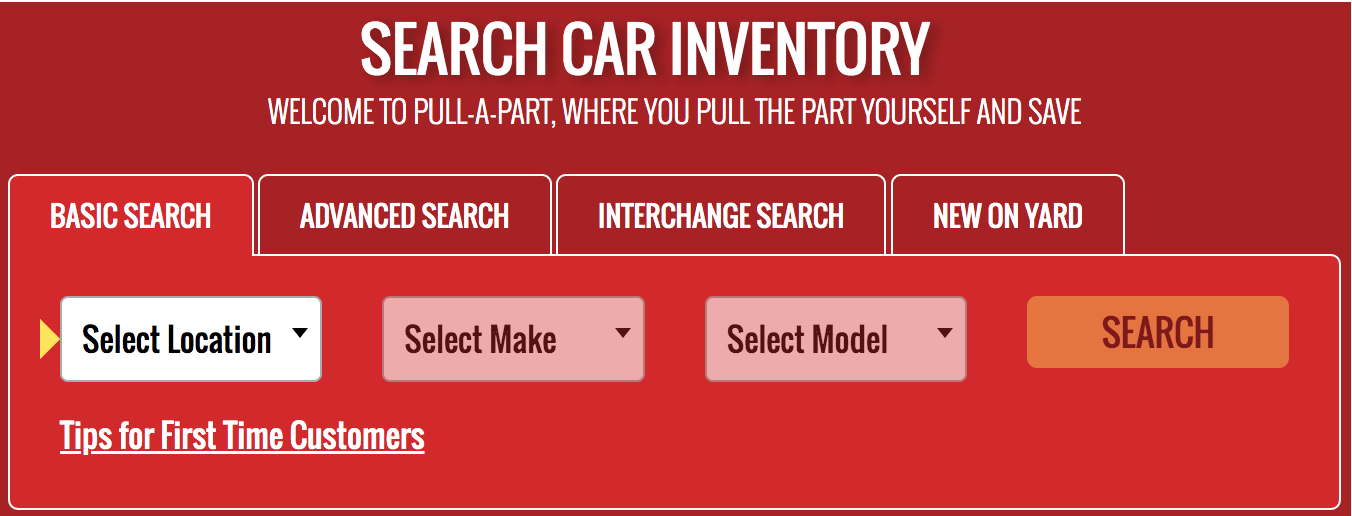
Inventory at a salvage yard changes constantly as vehicles arrive and get picked over, so always check current availability before you make the trip. If the donor vehicle you need is not on site yet, many yards offer a notification service that alerts you when a matching vehicle arrives, which saves you repeat visits.
A Step-by-Step DIY Repair Process
Once you know what you need, the process is straightforward. Following these steps in order keeps you from buying the wrong part or doing the work twice.
- Diagnose the problem accurately. Confirm which part actually failed before you spend a dollar. For warning lights, an inexpensive code reader can point you toward the real cause. Replacing a part that was not broken is the most common and most expensive DIY mistake.
- Look up the exact part and check inventory. Use your vehicle details to search the yard's online inventory for a matching donor vehicle, and set up an alert if it is not currently on site.
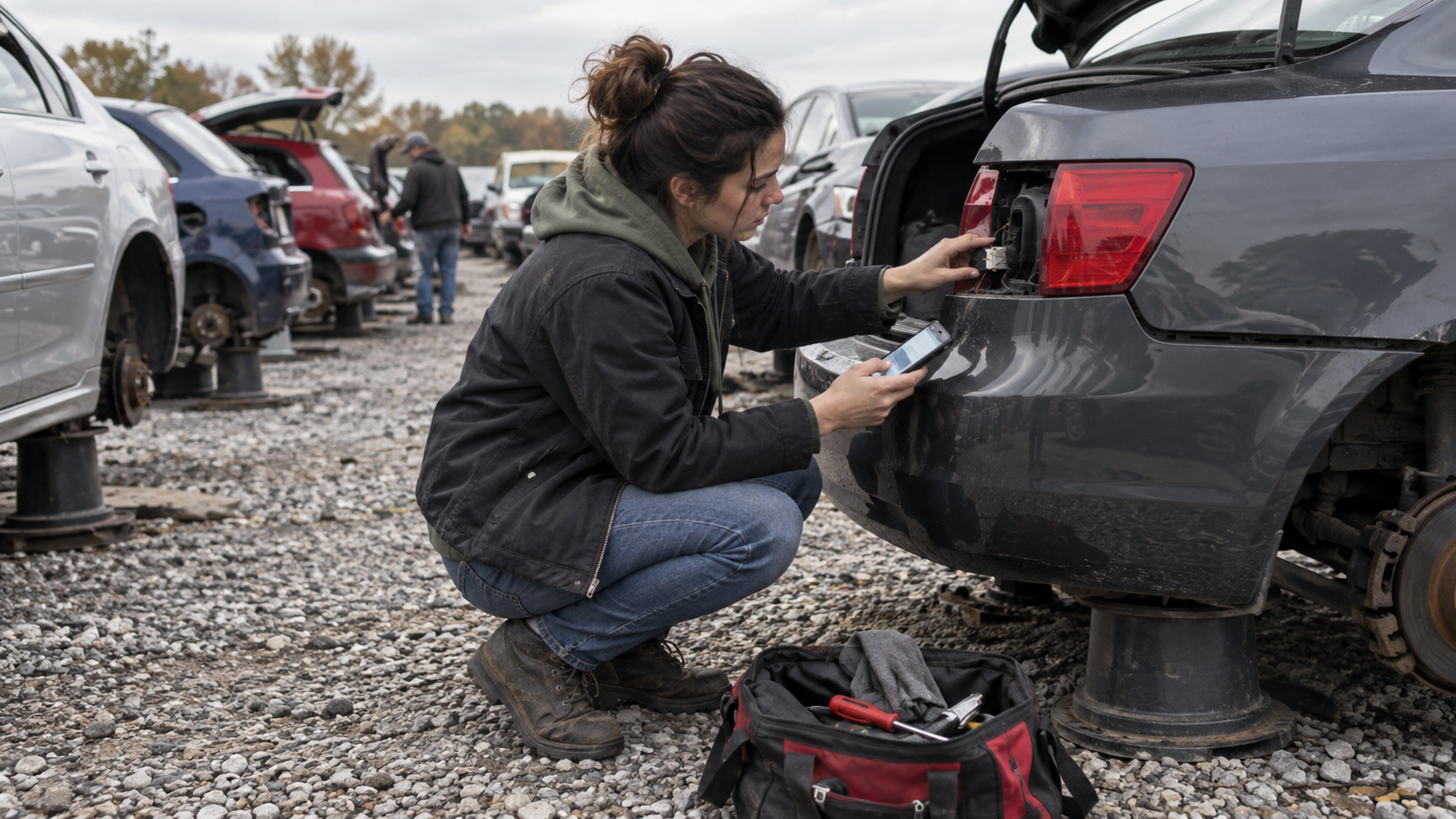
- Gather your tools and head to the yard. At a self-service junkyard in El Paso, you bring your own tools and pull the part yourself, which is why the prices are so low. Plan for a small admission fee and dress for working outdoors.
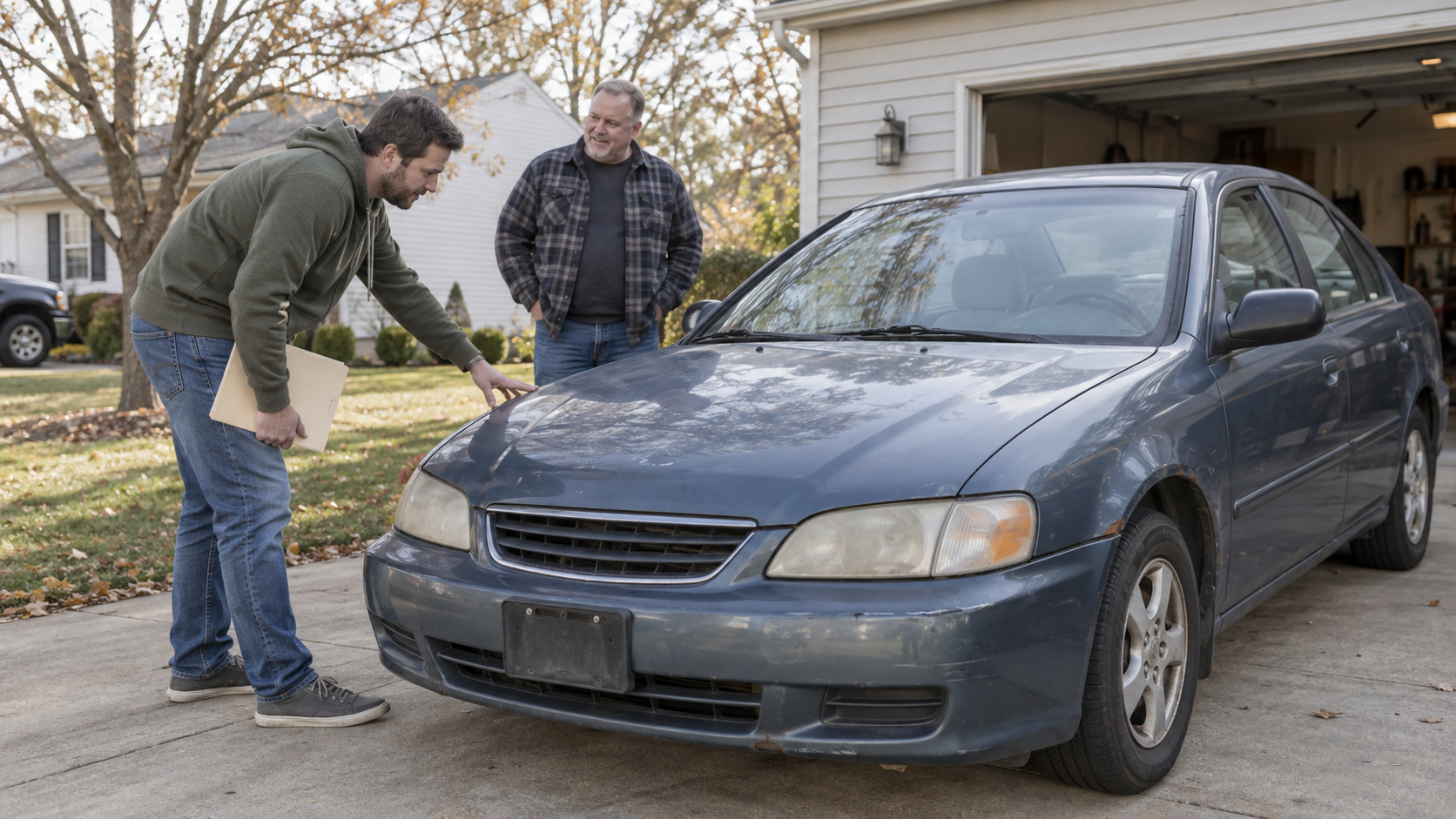
- Inspect the part before you remove it. Check for cracks, heavy corrosion, damaged connectors, leaks, or excessive wear. Compare part numbers and physical shape against the component you are replacing whenever possible.
- Install and test. Follow a reliable repair manual or a trusted guide for your specific vehicle, torque fasteners to the manufacturer's specification, and test the repair before relying on the car.
Which Repairs Make Good DIY Candidates
Some repairs are well suited to used parts and beginner-to-intermediate skills, while others are better left new or handled by a professional. Parts that commonly work well used include:
- Body panels, bumpers, doors, and mirrors
- Headlight and taillight assemblies
- Alternators, starters, and many sensors
- Window regulators, door handles, and interior trim
- Radiators, fans, and many bolt-on accessories
Be more cautious with safety-critical systems such as brakes, airbags, seat belts, and steering or suspension components. For wear items like brake pads, belts, and filters, buying new is usually the smarter choice because their value is in being fresh. If a repair affects how the vehicle stops, steers, or protects you in a crash and you are unsure, it is worth having a professional verify the work.
When a Repair Isn't Worth It
Doing your own repairs can stretch the life of a vehicle for years, but every car eventually reaches a point where fixing it no longer makes financial sense. A common rule of thumb is to compare the cost of the repair against the vehicle's current value. If a single repair approaches or exceeds what the car is worth, or if you are facing one expensive failure after another, replacing the vehicle may cost you less over time than continuing to patch it.
Selling a Car That Has Reached the End of the Road
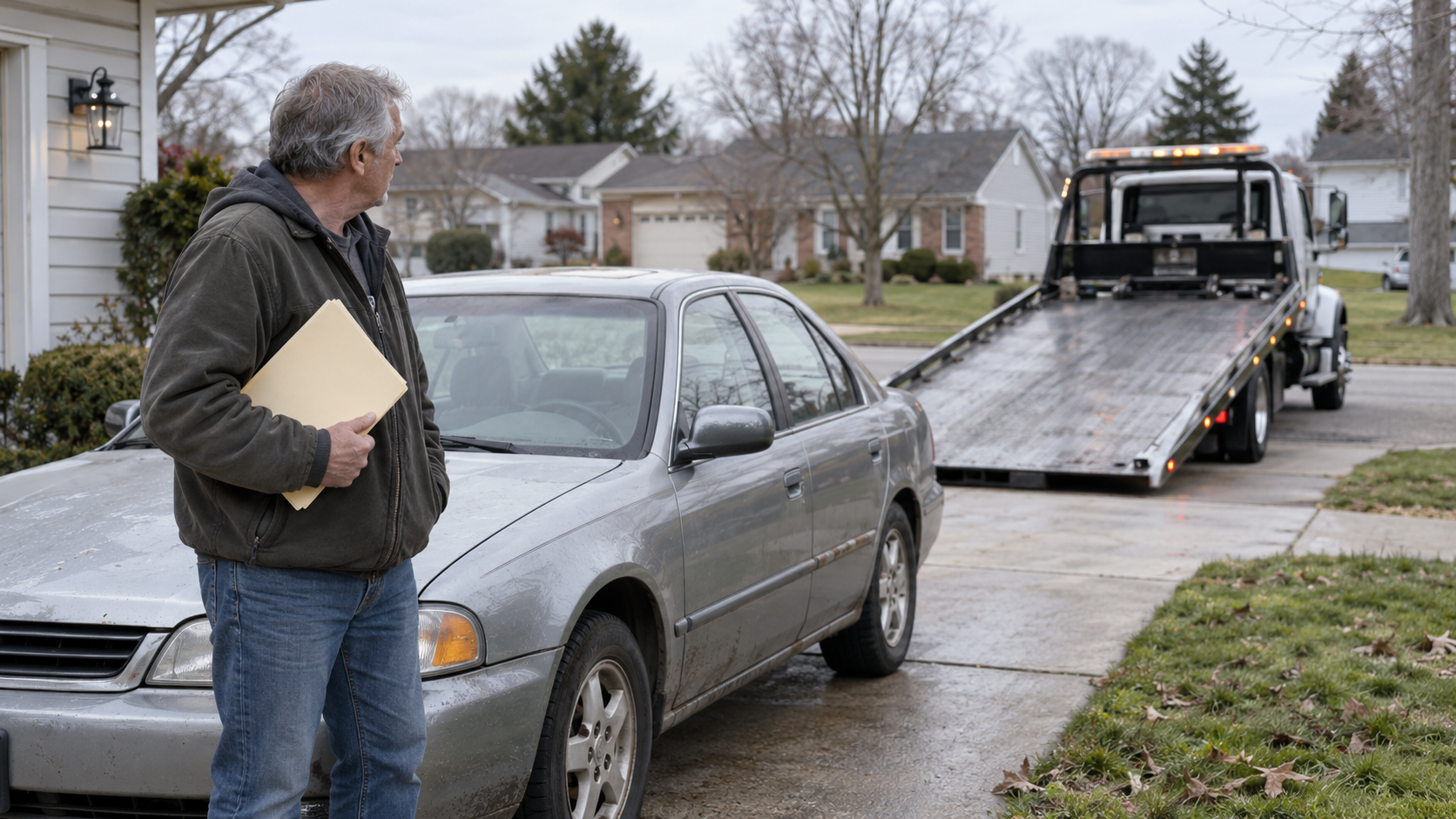
If you decide to let a vehicle go, you do not have to leave it sitting in the driveway. You can sell your junk car to a buyer that accepts vehicles in nearly any condition, including damaged, salvage, and non-running cars. After you request a quote and agree on a price, the El Paso location can arrange free pickup, so you are not stuck figuring out how to move a car that will not start.
Whenever you sell or scrap a vehicle in Texas, protect yourself by handling the paperwork correctly. The title generally needs to be signed over, and the seller should submit a Vehicle Transfer Notification to the Texas Department of Motor Vehicles so the state record shows the car is no longer in your name. This step matters because, until ownership is updated, you can be held responsible for tickets or toll violations tied to the vehicle. Requirements can change, so confirm the current process directly with the TxDMV before you complete a sale.
Shopping for an Affordable Replacement
When repairing your current car no longer adds up, the next question is what to drive instead. Buying a budget-friendly used car can be a practical way to get back on the road without taking on a large payment. Keep in mind that affordable does not mean flawless, so review the vehicle's history, inspect it carefully or have a mechanic look it over, and choose something that genuinely fits how you drive.
Repairing Smarter Is Also Easier on the Environment
There is a side benefit to using salvaged parts. Every component you reuse is one that does not have to be manufactured from scratch, and it keeps usable material out of the waste stream. Saving money on a repair and reducing waste are not competing goals here, which is part of what makes DIY repair with used parts appealing for budget-conscious drivers.
The Bottom Line
Used auto parts give El Paso drivers a realistic way to handle repairs without paying full price for new components or shop labor. The keys are diagnosing the real problem, matching the part precisely to your vehicle, checking availability before you go, and inspecting any part before you buy it. Just as important is knowing when a car has reached the end of its useful life so you can sell it and move on instead of pouring money into endless fixes. Whether you are pulling a part to keep your car running or weighing your next vehicle, Pull-A-Part gives you several practical options under one roof.