The Life Cycle of a Junk Car: From Your Driveway to the Recycling Yard
Ask AI About Pull-A-Part
TO TURN YOUR JUNK CAR INTO CASH
Get the phone number to a location near you by enterging your zipcode.
Find a Local Junkyard
ALABAMA
ARIZONA
COLORADO
FLORIDA
GEORGIA
INDIANA
KENTUCKY
LOUISIANA
MISSISSIPPI
NEW MEXICO
NORTH CAROLINA
OHIO
PENNSYLVANIA
SOUTH CAROLINA
TENNESSEE
TEXAS
Pull-A-Part | Aug 13, 2025
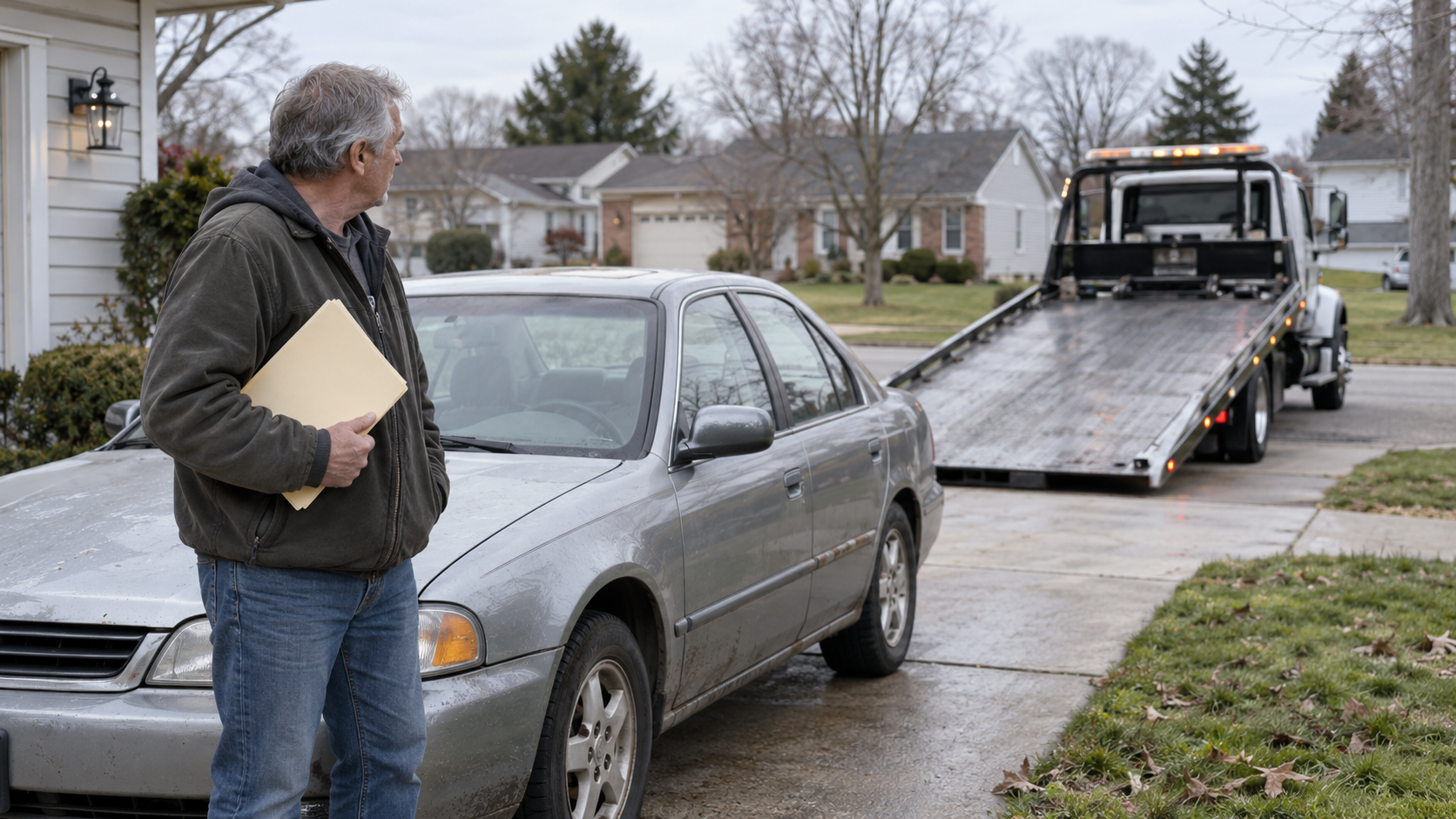
A rusty, non-running car parked in the driveway has a way of becoming invisible. It sits through a few seasons, the tires go flat, weeds creep up around the bumper, and eventually it blends into the background like part of the landscape. But that car hasn't stopped costing you anything, and it hasn't reached the end of its usefulness either.
Whether you're looking at a vehicle that finally gave out, an inherited car you never got running, or a project that stalled years ago, it helps to understand where a junk car goes once you decide to part with it. Knowing the full life cycle takes the mystery out of the decision and helps you get the most value, and the least hassle, out of the car's final chapter.
This guide walks through what happens to a junk car from the moment it leaves your driveway: the real cost of letting it sit, the options you have for getting rid of it, the paperwork to take care of first, how the recycling process works step by step, and what your old car might be worth along the way.
What Happens to a Junk Car, Start to Finish?
A junk car doesn't vanish or head straight to a landfill. After it leaves your property, it's taken to a salvage or recycling facility, where the process generally follows a predictable path:
- Intake and inspection, where the vehicle's condition is documented.
- Draining and safely capturing hazardous fluids like oil, fuel, and coolant.
- Removing reusable parts so they can be cleaned, tested, and resold.
- Crushing and shredding the leftover body and frame.
- Sorting the shredded metal and melting it down into raw material for new products.
Most of a car's weight, especially the steel, can be recovered and reused rather than thrown away. That means a single junk car keeps useful materials in circulation, supplies affordable parts to other drivers, and often puts a little cash in your pocket before it's recycled.
The Hidden Cost of Letting a Junk Car Sit
It's easy to assume that a car which no longer runs has become a harmless lawn fixture. In practice, an idle vehicle can quietly work against you. A deteriorating car parked out front can drag down your home's curb appeal and the impression it leaves on neighbors, visitors, and anyone considering buying or renting nearby. Even a well-kept yard can be undercut by a rusting hulk in plain view.
There are practical headaches, too. Abandoned vehicles make appealing shelter for rodents and insects, and standing water that collects inside can attract mosquitoes. Over time, an aging car can also leak motor oil, transmission fluid, coolant, brake fluid, and battery acid, which can seep into the soil beneath it. Left long enough, a junk car turns a corner of your property into a small environmental problem.
Finally, many cities and homeowners associations have ordinances limiting how long an inoperable or unregistered vehicle can sit in public view, and ignoring those rules can lead to citations or fines. These rules vary widely from one community to the next, so it's worth checking your local code or HOA guidelines if you're unsure. The good news is that every one of these costs is avoidable once you decide to move the car along.
Your Options for Getting Rid of a Junk Car
When you're ready to clear the car out, you generally have three routes, each suited to a different priority.
The first is a private sale. Listing the car on a marketplace or local classifieds can occasionally bring a higher return, especially if the vehicle is a popular model for parts or a fixable project. The tradeoff is effort: you'll field messages, negotiate, and deal with no-shows, all while the car keeps sitting in your driveway.
The second is donation. Handing the car to a registered charity is simple and may offer a tax benefit, which appeals to owners who care more about supporting a cause than getting paid. The downside is that you usually won't receive direct cash for the vehicle.
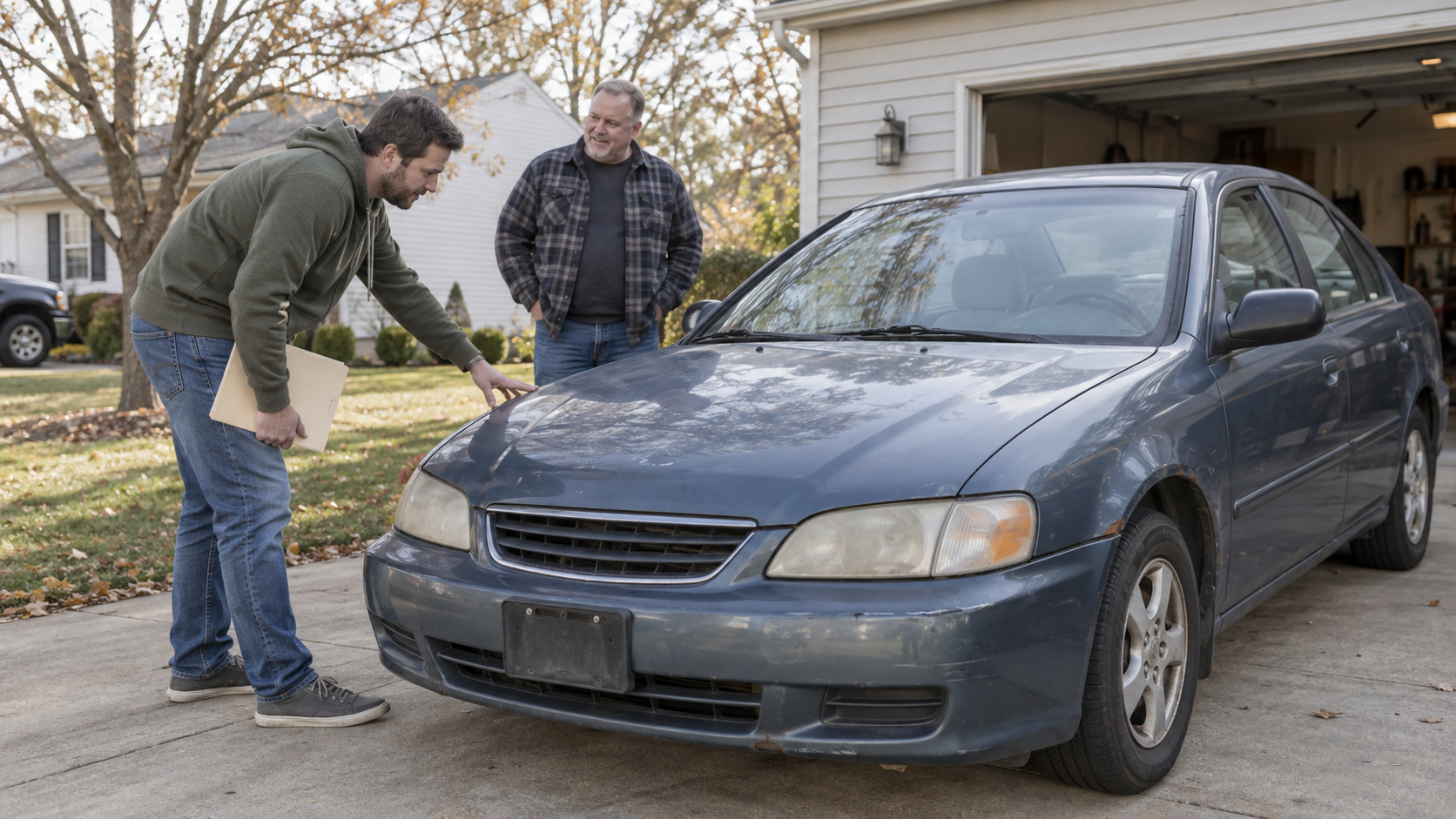
The third, and often the most straightforward, is selling to a salvage yard or junk car buyer. Operations that specialize in end-of-life vehicles buy cars in a wide range of conditions, handle removal, and route the vehicle into proper recycling. If that fits your situation, you can sell your junk car for cash and skip the back-and-forth of a private listing. Keep in mind that any quote depends on factors like the car's weight, condition, year, salvageable parts, and current scrap metal prices, so offers vary from car to car and from day to day. Towing and pickup policies also differ by location, so it's worth confirming what your nearest buyer provides before you commit.
Handle the Paperwork Before the Car Leaves
Before the car rolls off on a flatbed, take a few minutes to close out the ownership side of things. Skipping this step is where many owners run into trouble later, because in most states you can remain on the hook for a vehicle until ownership is formally transferred.
- Sign over the title to the buyer. If you've lost the title, ask whether your state offers a duplicate or an alternate process for selling or junking a vehicle without one.
- Complete any release of liability or report of sale your state uses, which tells the state you no longer own the car.
- Remove the license plates, and check whether your state expects you to return, transfer, or destroy them.
- Cancel the registration and notify your insurer once the car is gone.
- Clear any remaining lien with your lender, since a car with an open loan generally can't be transferred cleanly.
These requirements are set at the state level, and the names of the forms, the agency involved, and the rules around junk and salvage titles differ from one state to the next. Because the details matter, confirm the current steps with your state's motor vehicle agency before you sell. This is general information rather than legal advice, and your state's official guidance is always the final word.
Inside the Recycling Process: What Happens After Pickup
Once the car reaches a recycling or salvage facility, the work is more careful than simply flattening it into scrap. The first major step is removing everything hazardous. Fluids are drained and captured, the battery is pulled, refrigerant from the air conditioning is recovered, and certain components, such as mercury switches and tires, are set aside for specialized handling. This de-pollution stage is what keeps an old car from contaminating soil and groundwater.
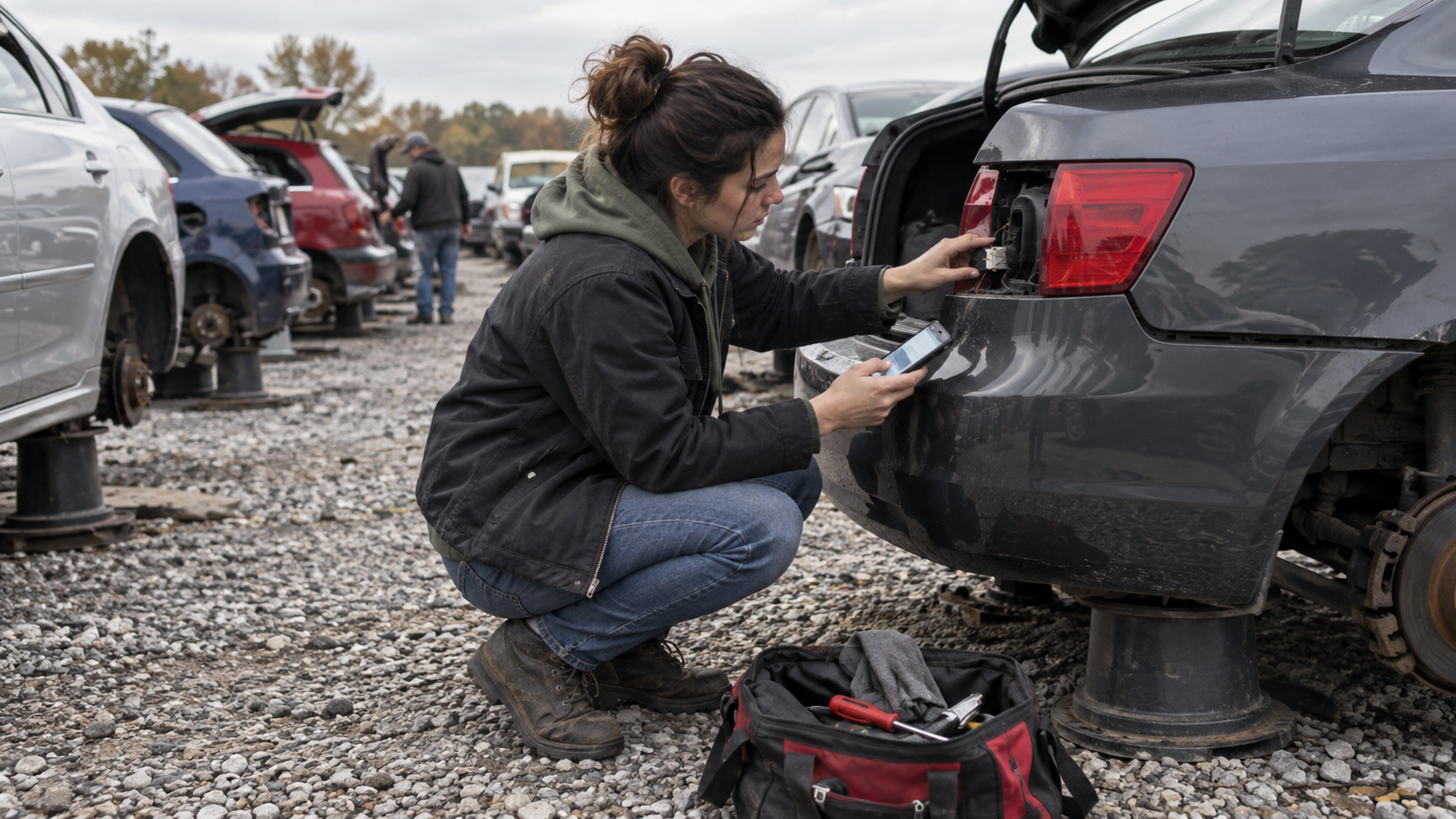
Next comes the part that gives a junk car a second life. Technicians evaluate which components still have value, then remove engines, transmissions, alternators, starters, doors, glass, and dozens of other usable pieces. Many of those parts end up on the rows of a self-service salvage yard, where do-it-yourself mechanics can pull them at a fraction of new-part prices. If you ever shop a yard like this, remember that inventory changes constantly as cars arrive and get picked over, so it pays to check current availability before you drive out. It's also smart to verify the year, make, model, trim, engine, and interchange information so the part you pull actually fits your vehicle.
What's left after the useful parts come off, mainly the body and frame, is crushed and fed through industrial shredders. The shredded material is then sorted into steel, aluminum, copper, and other metals, melted down, and turned into raw material for new products, including parts of future vehicles. That's how the cycle closes: the metal in the car you're retiring may one day roll out of a factory as something brand new.
Why Recycling a Junk Car Pays Off
Recycling a junk car delivers on two fronts. Environmentally, it keeps harmful fluids out of the ground, diverts a large, bulky object from the landfill, and conserves resources. Making steel from recycled metal uses far less energy than producing it from freshly mined ore, which means lower emissions and less mining for every car that's properly processed.
Financially, the payoff is more direct. Clearing the car frees up space and removes a drag on your property's appearance, and many junk vehicles still carry real value in their metal and salvageable parts. Even a car that won't run can be worth something, which is why a recycler may pay you for it rather than charging you to haul it away. The exact figure depends on the same factors that affect any quote: condition, weight, parts, and the going rate for scrap.
Thinking About a Replacement
For a lot of people, the junk car in the driveway was once the daily driver, and getting rid of it leaves a gap to fill. If you need wheels again without taking on a big payment, one practical path is to buy a quality, affordable used car. Just keep your expectations realistic: an inexpensive used vehicle is a budget solution, not a guarantee of mechanical perfection, so inspect any car closely, review its history, and have a trusted mechanic take a look before you buy.
The Bottom Line
A junk car parked in your driveway isn't really at the end of the road, it's at the start of a recycling journey that can benefit your wallet, your property, and the environment all at once. Once you understand the full life cycle, the decision gets a lot easier: handle the paperwork, choose the removal option that fits your priorities, and let the car move on to a facility that can recover its parts and metal. Pull-A-Part is one option for selling a junk car, finding affordable used parts, or picking up a replacement vehicle, and whichever route you take, the most valuable step is simply getting that idle car moving again.