How to Use a Self-Service Junkyard in Georgia: A First-Timer's Guide to Pull-A-Part
Ask AI About Pull-A-Part
TO TURN YOUR JUNK CAR INTO CASH
Get the phone number to a location near you by enterging your zipcode.
Find a Local Junkyard
ALABAMA
ARIZONA
COLORADO
FLORIDA
GEORGIA
INDIANA
KENTUCKY
LOUISIANA
MISSISSIPPI
NEW MEXICO
NORTH CAROLINA
OHIO
PENNSYLVANIA
SOUTH CAROLINA
TENNESSEE
TEXAS
Pull-A-Part | Feb 15, 2026
A failed alternator, a cracked taillight, a side mirror that finally gave out—when a repair bill starts climbing, a self-service junkyard is one of the cheapest ways to get your car back on the road. If you've never set foot in one, though, the rows of vehicles and the pull-it-yourself setup can feel intimidating. This guide walks Georgia drivers through how a self-service junkyard in Georgia actually works, what to bring, how to confirm a part will fit, and how to stay safe while you're there.
At a yard like Pull-A-Part, you do the searching and the removal yourself. That hands-on model is exactly what keeps used parts affordable—and keeps usable vehicles in service instead of going straight to scrap. By the end of this guide, you'll understand how the pricing works, how to make sure a part matches your vehicle, and what your options are if the repair turns out not to be worth it.
What Is a Self-Service Junkyard, and How Does Pull-A-Part Work?
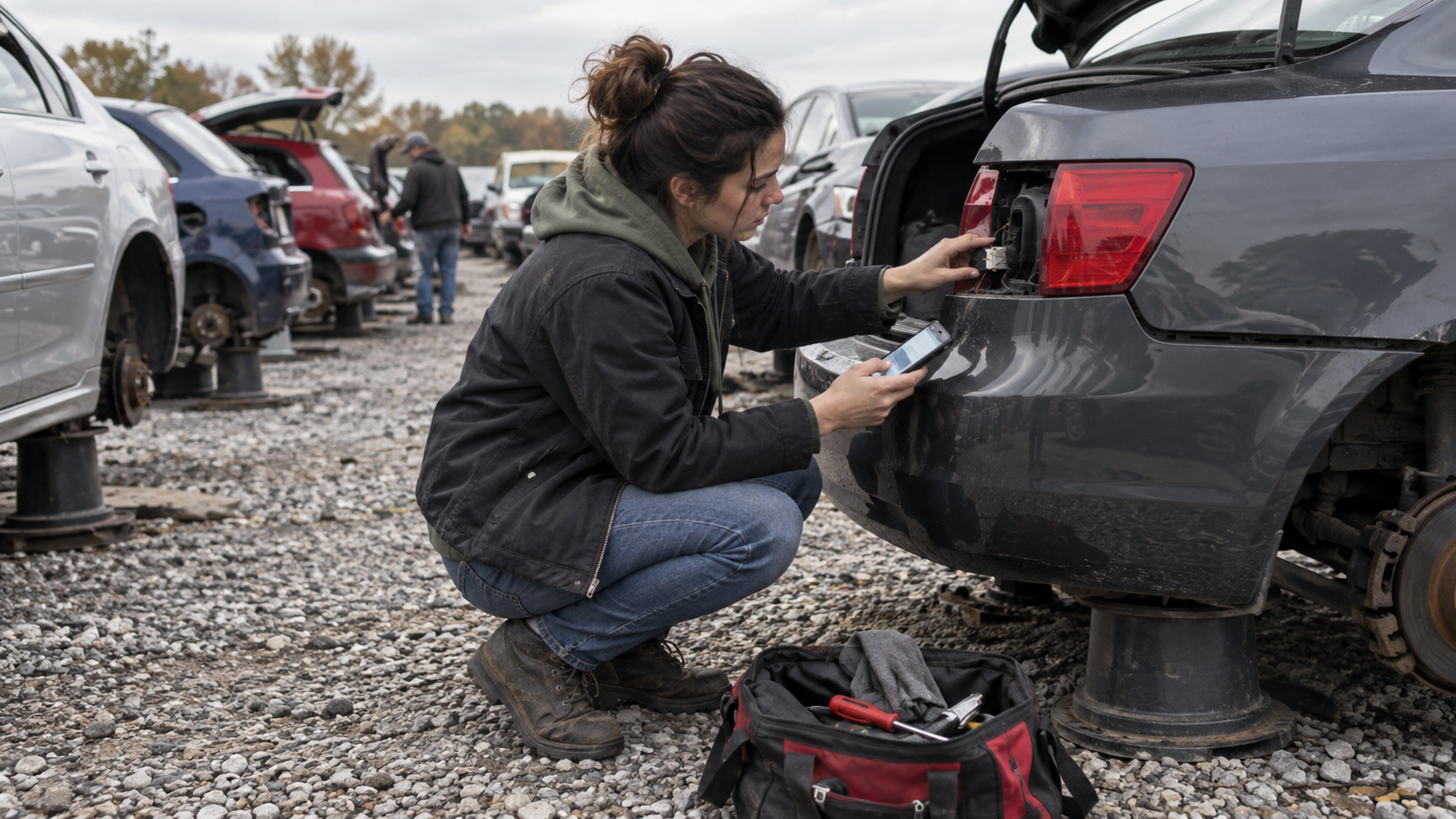
A self-service junkyard—sometimes called a "pull-your-own" or "U-pull" yard—is a salvage yard where you locate a vehicle in the lot and remove the parts you need yourself, then pay on your way out. Because you supply the labor, prices are usually far lower than buying the same part new or having a full-service shop source and install it.
Pull-A-Part is not a repair shop; it's an organized self-service yard. Parts are typically priced by the type of part rather than by the make, model, or year of the vehicle it came from, which keeps pricing simple. Inventory rotates constantly as vehicles arrive and get picked over, so the lot looks different from one week to the next.
Here's what a typical visit looks like:
- Check the current online inventory and your local yard's hours before you leave home.
- Gather the right tools, since you'll be removing the part yourself.
- Check in at the front when you arrive and review the posted rules.
- Walk the lot to find a vehicle that matches your year, make, and model.
- Remove the part, then pay at checkout.
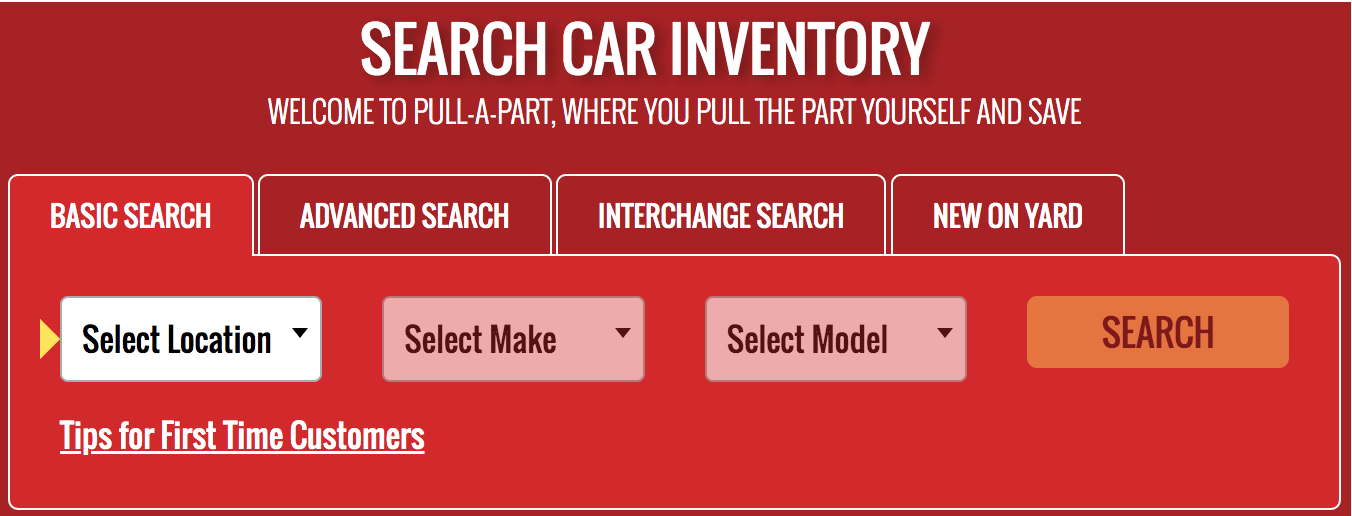
Online inventory is a helpful starting point, but availability changes quickly. A car listed today may be heavily stripped or already gone tomorrow, so treat the inventory search as a guide rather than a guarantee and confirm before you make a special trip.
Before You Go: Plan and Pack
A little preparation turns a confusing first trip into a quick, productive one. Start by deciding which yard to visit—you can find a self-service junkyard near you and confirm its hours and check-in details. Then search the online inventory for vehicles that are likely to carry the part you need.
Pack the basics for a comfortable, efficient visit:
- Sturdy, closed-toe shoes and durable clothing you don't mind getting dirty.
- Work gloves and safety glasses to protect against sharp metal and broken glass.
- A basic socket set, wrenches, screwdrivers, and pliers; bring specialty tools if the job calls for them.
- A flashlight or headlamp, plus a magnetic pickup tool for dropped hardware.
- A written or phone-based parts list with the year, make, model, and engine details for each item.
Know Your Part Before You Arrive
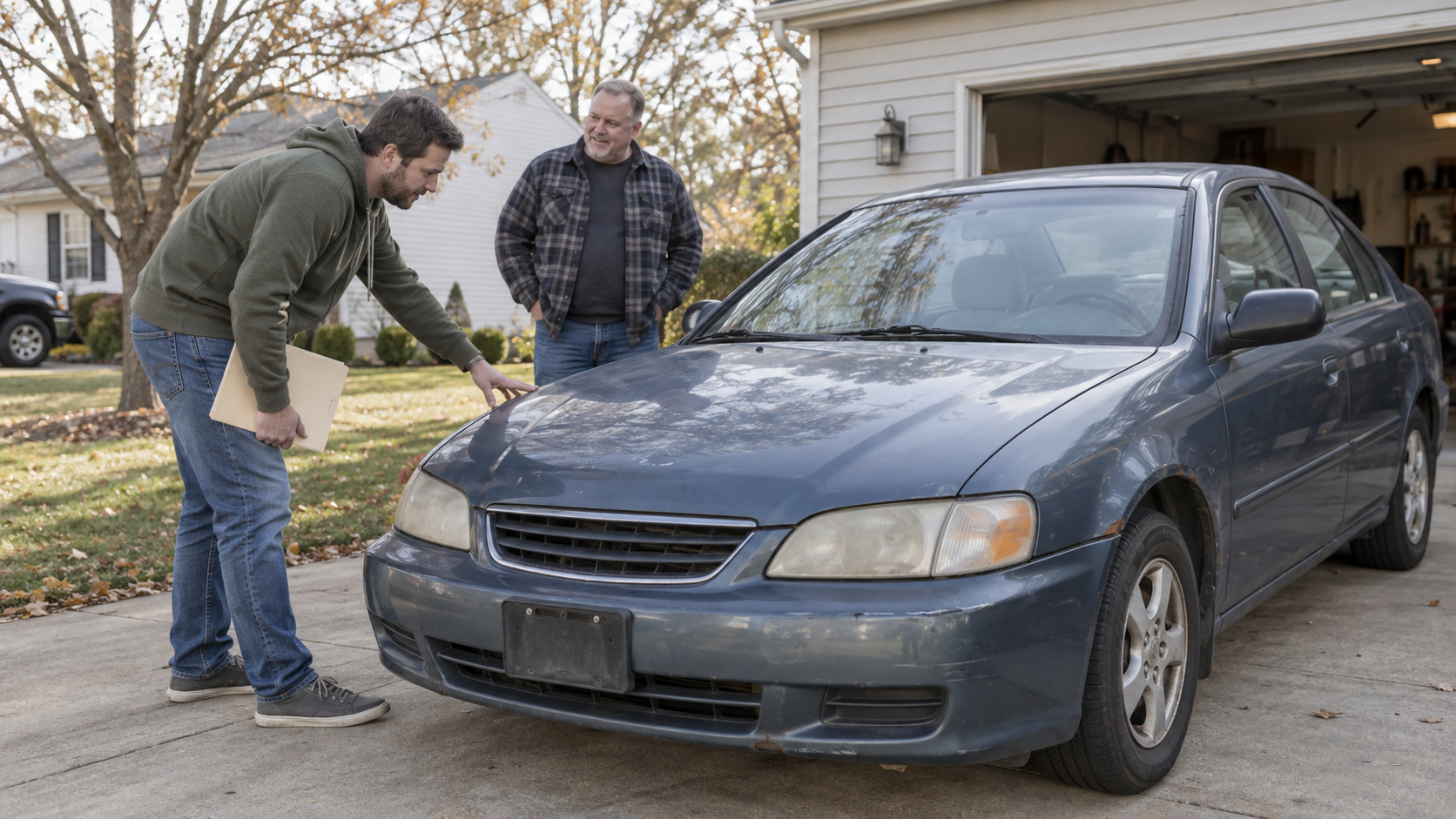
The most common first-timer mistake is pulling a part that turns out not to fit. Used parts are sold as-is, so confirm compatibility before you start removing anything:
- Match the year, make, model, and the specific trim—features can differ within the same model line.
- Confirm the engine size and type, since many components vary by engine.
- Check interchange information, which tells you whether a part also fits other model years or related brands. This widens your options when an exact match isn't on the lot.
When you can, write down the part number from your own vehicle and compare it at the yard. A few minutes of checking up front saves a wasted trip later.
Staying Safe in the Yard
A salvage yard is an active work environment, and a few simple habits keep your visit safe. The basics:
- Follow all posted rules and any instructions from yard staff.
- Wear gloves and eye protection at all times—vehicles have sharp edges, rust, and broken glass.
- Watch your footing on uneven ground and around stacked parts.
- Be alert for leaking fluids and for any moving equipment in marked work zones.
- Lift carefully, and ask for help with heavy components rather than risking an injury.
If you're unsure how to safely remove a part, pause and ask. Staff would rather point you in the right direction than see someone get hurt.
How to Find Parts—and the Occasional Hidden Gem
Beyond everyday replacements, self-service yards often turn up harder-to-find components for repairs, restorations, and project builds. Finding them is mostly a matter of patience and a good system. Work through the relevant section methodically rather than skimming, because useful parts aren't always in obvious places. Ask staff where recently arrived vehicles or specific models tend to be parked. And because inventory turns over quickly, checking back every so often raises your odds of catching the exact vehicle you've been waiting for. Searching the current inventory online before each visit keeps these trips focused.
When a Repair Isn't Worth It
Sometimes the smartest move is not to fix the car at all. A common rule of thumb: if a single repair costs more than the vehicle is worth, or you're facing one major repair after another, it may be time to move on. Pull-A-Part can help on both sides of that decision.
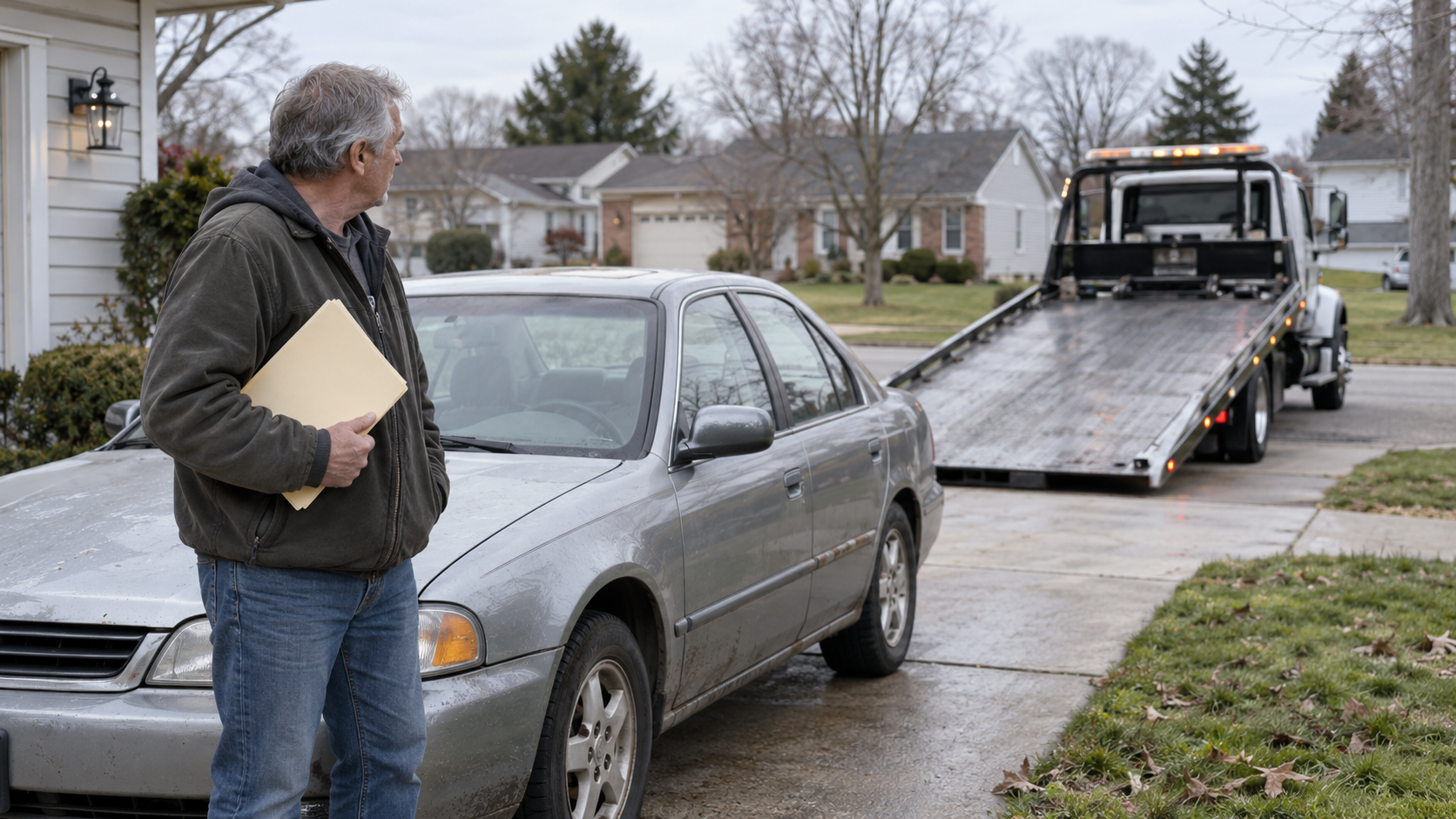
If your car has reached the end of the road, you can sell an unwanted vehicle for cash instead of letting it sit and lose value. In Georgia, selling a vehicle involves more than handing over the keys—the state expects the seller to transfer ownership and cancel the registration, and title requirements can vary depending on the vehicle's age and condition. Before you finalize a sale, review the Georgia Department of Revenue's guidance on how to transfer ownership and cancel your registration so you aren't held responsible for the car after it's gone. Because the rules can change, it's always wise to confirm the current requirements with the state.
And if you need dependable transportation rather than another round of repairs, you don't have to jump straight to a brand-new purchase. In the Atlanta area, for example, you can shop for a quality, affordable used car at a Pull-A-Part location. As with any used vehicle, "affordable" doesn't mean it's the right fit for every driver—inspect the car, review its history, and make sure it suits your needs and budget before you buy.
Your First-Visit Checklist
Run through this quick list before you head out:
- Search the current online inventory and confirm your local yard's hours and check-in details.
- Write down the year, make, model, trim, and engine for each part you need.
- Pack tools, gloves, eye protection, and closed-toe shoes.
- Bring a payment method for any admission, if your yard charges one, plus the parts you pull.
- Give yourself extra time to search and to double-check that each part matches before you remove it.
Making the Most of Your First Visit
A self-service junkyard rewards preparation. Know the part you need, confirm it fits, dress for the work, and leave time to look—and that first visit shifts from intimidating to genuinely satisfying, both for your wallet and for keeping usable parts in service. Whether you're chasing a single component, clearing out a car that's no longer worth fixing, or looking for an affordable way back onto the road, a Georgia Pull-A-Part yard gives budget-minded, DIY drivers a practical place to start.