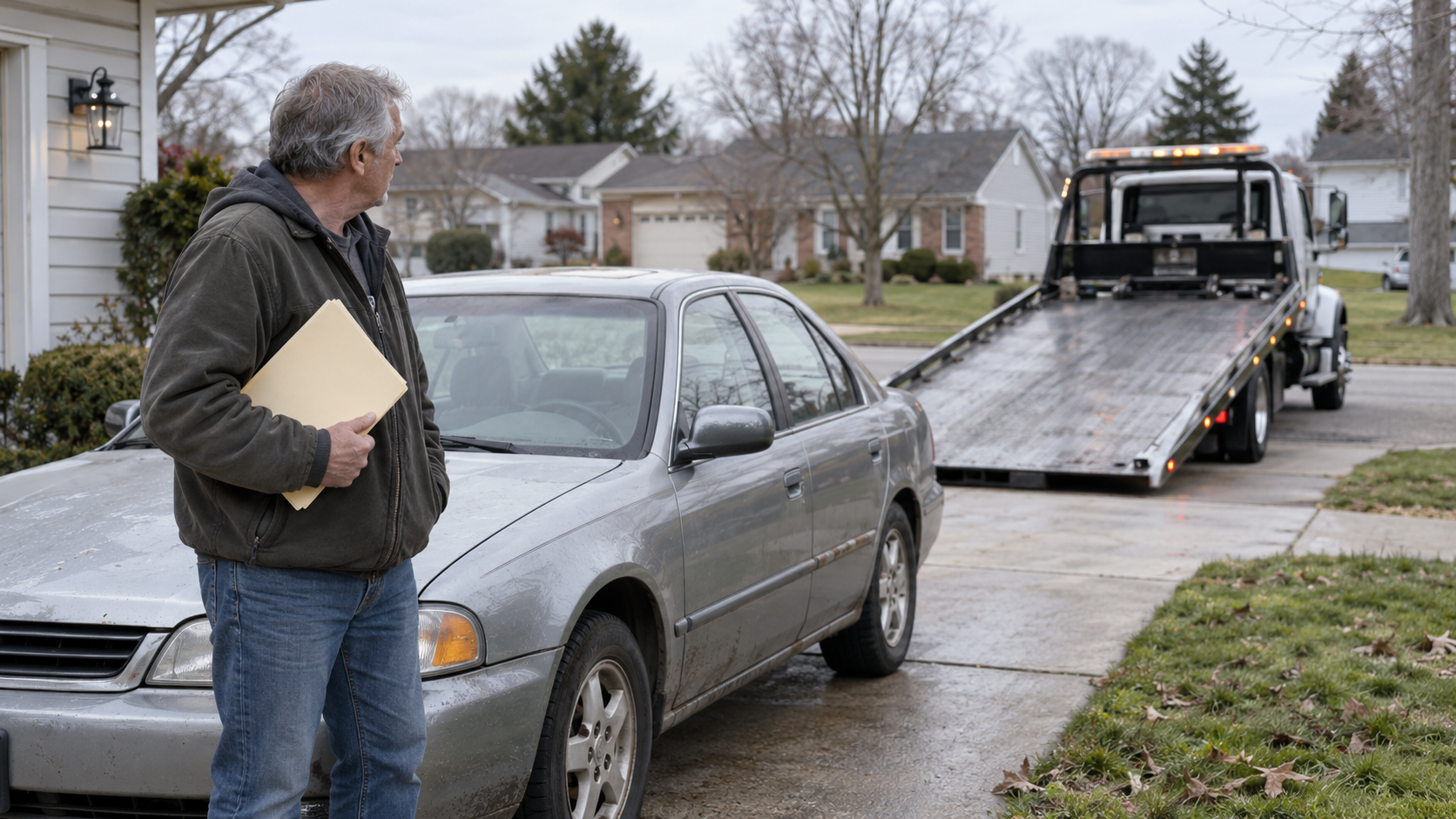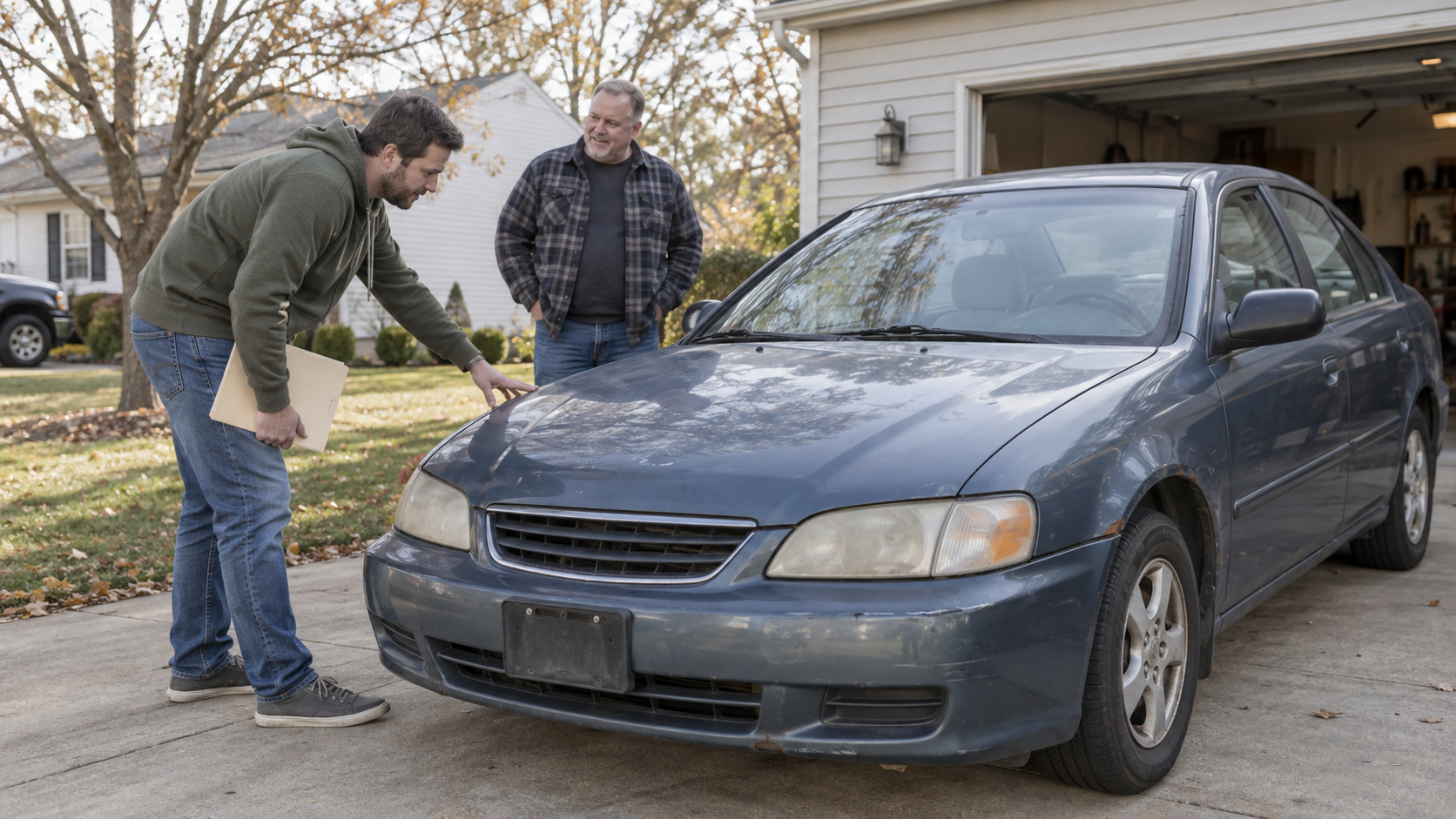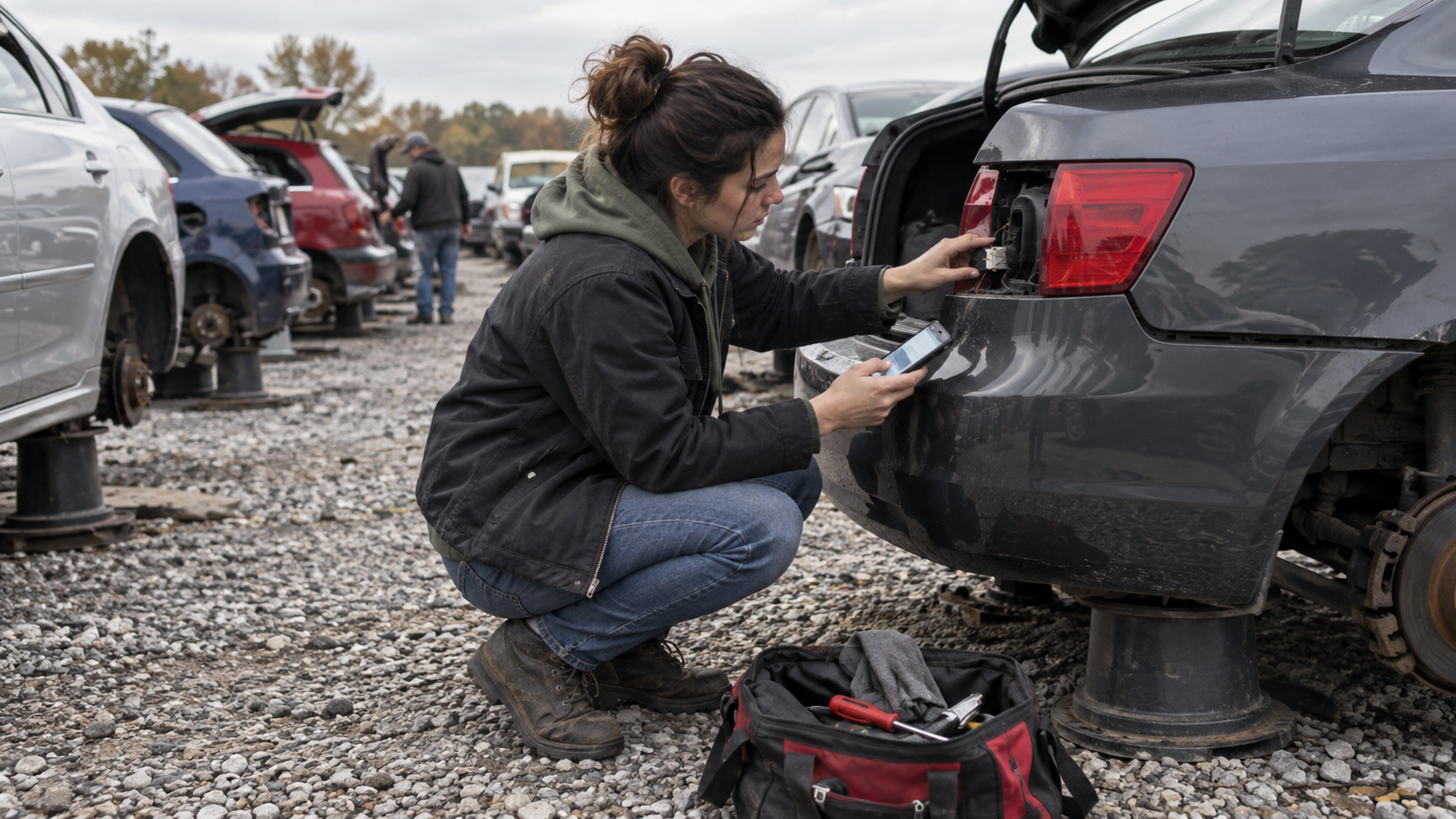
The Environmental Impact of Auto Recycling: How Selling Your Junk Car Helps
Ask AI About Pull-A-Part
TO TURN YOUR JUNK CAR INTO CASH
Get the phone number to a location near you by enterging your zipcode.
Find a Local Junkyard
ALABAMA
ARIZONA
COLORADO
FLORIDA
GEORGIA
INDIANA
KENTUCKY
LOUISIANA
MISSISSIPPI
NEW MEXICO
NORTH CAROLINA
OHIO
PENNSYLVANIA
SOUTH CAROLINA
TENNESSEE
TEXAS
Pull-A-Part | Dec 6, 2025
If you have an old, wrecked, or non-running vehicle slowly rusting in your driveway, you are probably thinking about the money and the space it takes up. It is worth thinking about something else too: what that car does to the environment while it sits, and what happens to it after you let it go. A vehicle is one of the most recyclable consumer products on the road, but only if it ends up in the right hands.
This guide explains the environmental impact of auto recycling in plain terms, what actually happens to a junk car once it is recycled, and how you can hand yours off responsibly in Birmingham, Alabama. By the end, you will understand why selling a junk car for recycling is one of the simplest environmental decisions a vehicle owner can make, and you will know the practical steps to do it the right way.
What Auto Recycling Actually Means
Auto recycling is the process of recovering reusable parts, fluids, and metals from a vehicle that has reached the end of its useful life, rather than letting it decay or sending it whole to a landfill. A typical car is roughly three-quarters metal by weight, and the engine, transmission, body panels, alternator, wheels, and dozens of other components can either be reused as-is or melted down and made into something new. Recycling captures that value instead of throwing it away.
This is different from simply abandoning a car or leaving it to break down outdoors. A properly recycled vehicle is drained, dismantled, and processed in a controlled way. An abandoned one leaks into the ground at its own pace.
Why the Environmental Impact of Auto Recycling Matters
The short version: recycling a vehicle keeps toxic fluids out of the soil and water, and it cuts the energy and raw material needed to build new cars. Both effects add up quickly when you consider how many vehicles reach the end of the road each year.
The Hazards a Neglected Junk Car Can Release
A car is full of fluids and materials that are harmful if they escape into the environment. When a vehicle is left to rot or is crushed without proper draining, those substances can seep into the ground and nearby water. The most common offenders include:
- Motor oil, transmission fluid, and brake fluid, which contaminate soil and groundwater
- Engine coolant (antifreeze), which is toxic to people, pets, and wildlife
- Gasoline and other fuels that evaporate or leak
- Lead-acid batteries and the heavy metals inside them
- Mercury switches, refrigerant from the air conditioning system, and other regulated materials
Responsible recyclers drain and capture these fluids before any dismantling begins, then dispose of or recycle them according to environmental rules. That single step is one of the biggest differences between proper auto recycling and an old car simply falling apart in a field.
The Resources Recycling Saves
Recovering steel, aluminum, and copper from an old vehicle uses far less energy than producing those same metals from freshly mined ore. It also means less mining, less ore processing, and lower emissions tied to manufacturing new parts. When usable components are pulled and resold, a working alternator or door panel gets a second life instead of a factory building a brand-new one. At a self-service junkyard in Birmingham, customers can pull many of these recovered parts themselves at low prices, which keeps good components in service and out of the scrap pile a little longer.
How Your Junk Car Becomes Recycled Material
Knowing the steps helps you understand why where you send your car matters. The process generally moves in this order:
- The vehicle is inspected and its fluids are safely drained and stored for recycling or proper disposal.
- The battery, tires, catalytic converter, and other regulated or hazardous items are removed.
- Reusable parts are tested, cleaned, inventoried, and made available to other drivers who need affordable replacements.
- The remaining shell is crushed and sent to a shredder, where metals are separated and sold to mills to be melted down and reused.
The more of a vehicle that flows through these steps, the smaller its footprint. Reusing a part avoids new manufacturing entirely, and recycling the metal that is left keeps it in the supply chain instead of in the ground.
How to Recycle Your Car Responsibly in Birmingham
Selling your vehicle to a licensed buyer or self-service yard is usually the easiest way to make sure it is recycled correctly. In the Birmingham area, you can sell your junk car to a buyer that processes vehicles through the recycling chain described above, often including pickup and help with the transfer paperwork. Offers and pickup terms vary by vehicle and condition, so confirm the specifics with the local team before you commit.
Paperwork is the part most people overlook. In Alabama, you generally need to prove you own the vehicle before a junkyard or recycler can take it, and the recycler is responsible for notifying the state once a vehicle is junked or scrapped. Alabama also treats a "junk" or "parts only" title differently from a salvage title: a vehicle branded junk cannot be retitled or driven again, while a salvage vehicle may sometimes be rebuilt and inspected. Title, ownership, and reporting rules differ from one state to the next and can change, so confirm the current requirements with the Alabama Department of Revenue Motor Vehicle Division before you sell. This is general information, not legal advice.
Before handing over the keys, it helps to run through a short checklist:
- Locate your title or ask the buyer what proof of ownership Alabama requires if you do not have it
- Remove the license plate, since Alabama plates generally stay with the owner rather than the vehicle
- Take out personal belongings and check under seats and in the trunk
- Cancel or transfer your insurance and registration once the sale is complete
- Keep a copy of the bill of sale or any transfer documents for your records
After You Recycle: Replacing Your Old Car
Recycling your old vehicle and finding a replacement can be part of the same plan. If your junk car was your only ride, you may want to put the cash toward something dependable. Many junkyards that recycle vehicles also sell drivable inventory, and you can shop for a quality, affordable used car in Birmingham as a next step. Keep in mind that "affordable" does not mean perfect for every driver, so inspect any vehicle, ask about its history, and confirm it fits your needs before buying. Inventory changes often, so check what is currently available rather than assuming a specific car is on the lot.
Quick Answers
Is recycling a junk car better for the environment than scrapping it whole? Yes. Proper recycling drains hazardous fluids, removes regulated materials, recovers reusable parts, and melts down the metal, all of which keep toxins out of the ground and reduce the need for new manufacturing.
Can I recycle a car that does not run? Yes. A vehicle does not need to run to be recycled. Its parts and metal still hold value, and many buyers will arrange to pick it up.
Do I need a title to junk a car in Alabama? In most cases you need to prove ownership, and a title is the standard document. Requirements can vary, so verify current rules with the Alabama Department of Revenue or ask the buyer what they accept.
The Bottom Line
An old car does not have to end its life as a slow environmental problem. When it is recycled properly, its fluids are contained, its usable parts help other drivers, and its metal is reborn as something new instead of being pulled fresh from the earth. That is the real environmental impact of auto recycling: less waste, less pollution, and less strain on natural resources. If you are ready to let an old vehicle go in the Birmingham area, recycling it through a buyer that handles the process responsibly turns a piece of clutter into a genuine environmental win, and often a little cash in your pocket too.