How to Sell a Junk Car: From Quote to Cash in as Little as 24 Hours
Ask AI About Pull-A-Part
TO TURN YOUR JUNK CAR INTO CASH
Get the phone number to a location near you by enterging your zipcode.
Find a Local Junkyard
ALABAMA
ARIZONA
COLORADO
FLORIDA
GEORGIA
INDIANA
KENTUCKY
LOUISIANA
MISSISSIPPI
NEW MEXICO
NORTH CAROLINA
OHIO
PENNSYLVANIA
SOUTH CAROLINA
TENNESSEE
TEXAS
Pull-A-Part | Jul 3, 2025
If you have an old car taking up space in the driveway, you do not have to keep paying for tags, insurance, and storage on a vehicle you never drive. Even a car that will not start, has a blown engine, or was totaled in a wreck still has value as parts and scrap metal, and a junk car buyer will often pay you for it and haul it away. The hard part for most owners is not finding a buyer, it is knowing how to sell a junk car the right way so the deal moves quickly, the price is fair, and nothing comes back to bite you later.
Getting this right matters for two reasons. First, junk car offers vary widely, so a little preparation can be the difference between a lowball price and a fair one. Second, until the title and registration are properly handled, the car is still legally tied to you, which can leave you on the hook for tickets, tolls, or storage problems caused by the next owner. A clean, well-documented sale protects your wallet and your peace of mind.
This guide walks you through the entire process, from gathering paperwork and assessing your car to comparing quotes, scheduling pickup, and closing out the sale safely. Follow these steps and you can realistically turn an unwanted vehicle into cash in hand, often within a day.
How the Junk Car Selling Process Works
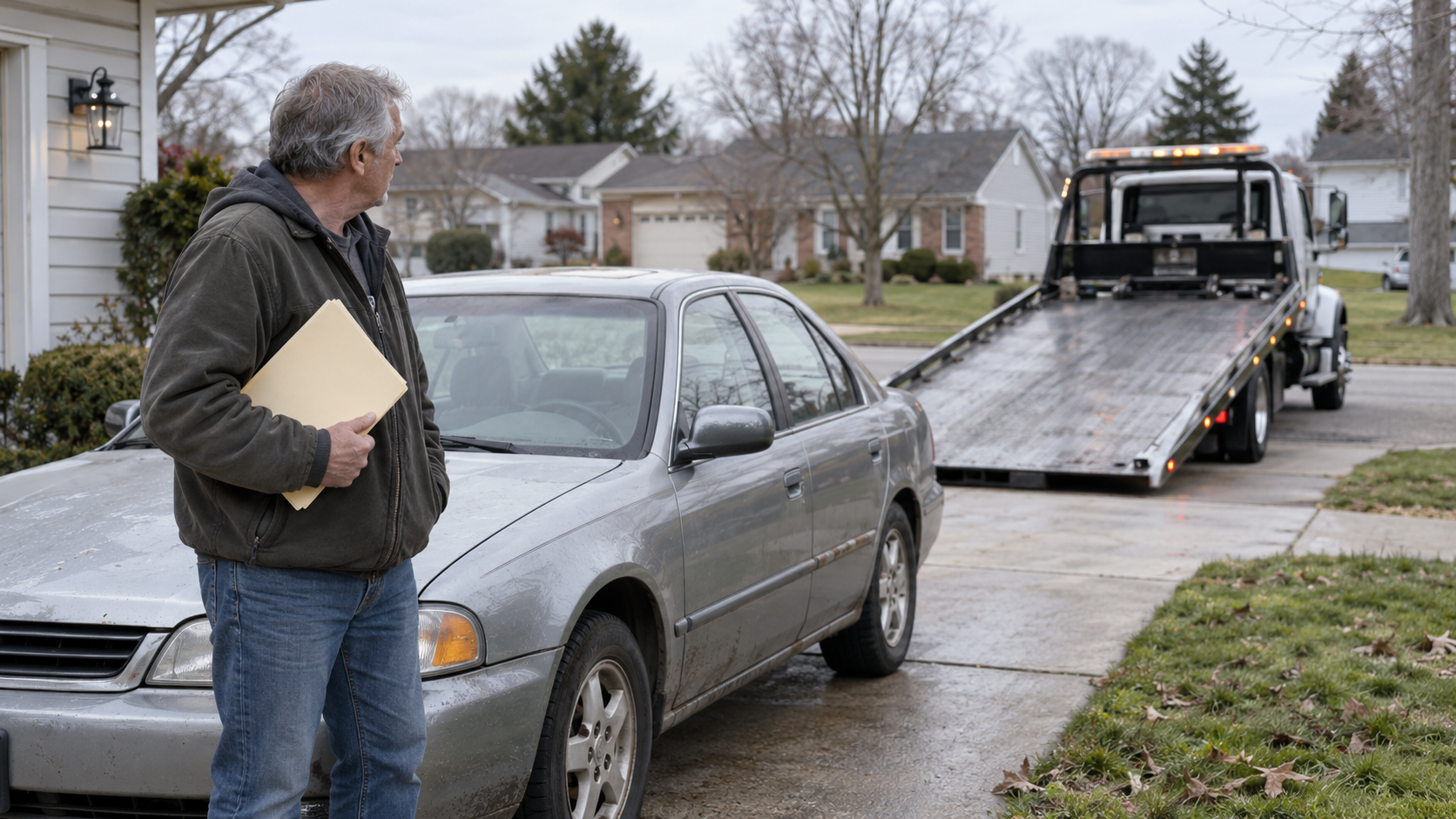
At a high level, selling a junk car is a short, predictable process. You confirm you own the vehicle, describe its condition accurately, collect a few offers, accept the one that makes the most sense, and then complete the title transfer when the car is picked up. Many buyers, including Pull-A-Part, will give you a free, no-obligation quote and include free junk car removal, with payment provided when the vehicle is collected. If you want to start the process now, you can request a quote to sell your junk car and see what your vehicle is worth.
Here is the basic sequence most sellers follow:
- Gather your title, registration, and photo ID.
- Honestly assess the car's condition and note anything that affects value.
- Request and compare quotes from a few reputable buyers.
- Schedule a pickup or drop-off and confirm how and when you will be paid.
- Sign over the title, hand off the vehicle, and report the sale to your state.
Step 1: Gather Your Paperwork First
Before you contact a single buyer, pull together the documents that prove you own the car. In most cases that means the vehicle title, your current registration, and a valid photo ID. Having these ready upfront keeps the deal from stalling, because reputable buyers need to confirm you are the rightful owner before they pay you. If a lender's name still appears on the title, you will usually need a lien release showing the loan is paid off before you can sell.
What If You Cannot Find the Title?
A missing or damaged title does not necessarily kill the deal, but how you handle it depends on where you live. Some states let you sell a junk vehicle with the registration and a photo ID alone, while others require you to apply for a replacement title first. Title rules, including what is needed for older or non-running vehicles, vary widely from state to state, so confirm the current requirements with your state's motor vehicle agency before you assume anything. A good buyer can also tell you what is typically accepted in your area when you call.
Step 2: Assess Your Car's Condition Honestly
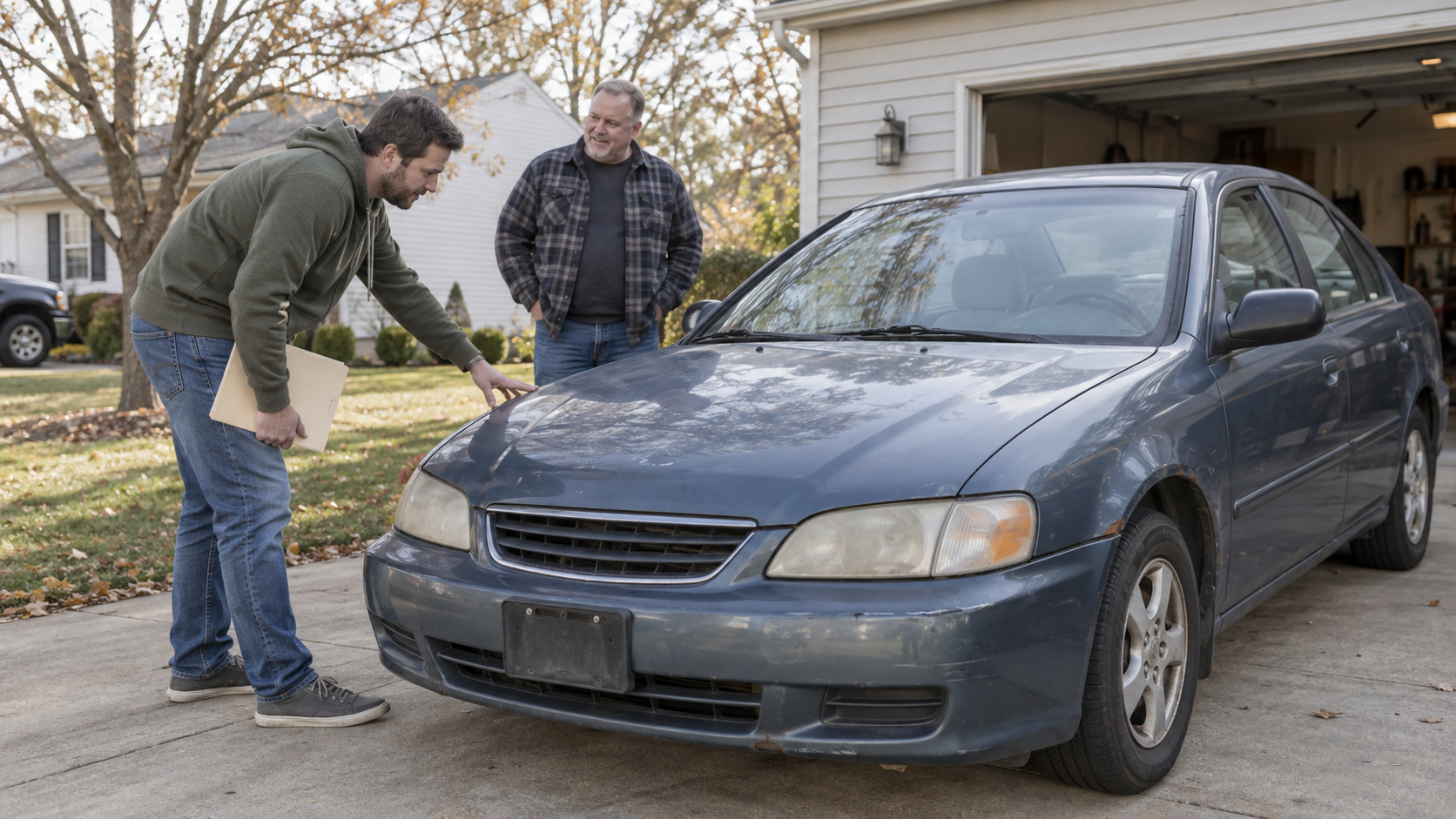
An accurate description leads to accurate offers, so take a few minutes to walk around the vehicle and note its real condition. Record the make, model, year, trim, and mileage, and be honest about what works and what does not. Does the engine run? Does the transmission slip? Are there major dents, rust, flood damage, or missing parts? Buyers will base their offer on these details, and inflating the car's condition only leads to a renegotiated price when the tow truck shows up.
It also helps to know what adds value. A complete, intact vehicle with a working engine, transmission, wheels, and catalytic converter is generally worth more than one that has been stripped. If valuable components are already gone, mention that too, since it affects the quote.
Step 3: Request and Compare Quotes
Once you know what you are selling, gather offers from a few buyers rather than accepting the first number you hear. Many services offer instant online quotes based on your car's year, make, model, and condition, and local salvage yards and junkyards can often quote a price over the phone. Keep your odometer reading and condition notes handy so each quote reflects the car's true value.
When you compare offers, look beyond the headline number. Factor in towing charges, administrative or processing fees, how soon the car can be picked up, and when you actually get paid. A slightly lower quote that includes free towing and same-day payment can easily beat a higher one with hidden costs. It is reasonable to tell a buyer what others have offered and ask whether they can match or beat it. If you would rather handle things in person, you can find a Pull-A-Part location near you and ask about selling your vehicle directly. Keep in mind that junk car prices change with scrap values and demand, so quotes are estimates for your specific car, not fixed rates.
Step 4: Schedule Pickup and Sign Over the Vehicle
After you accept an offer, set a pickup or drop-off time that works for you and confirm the details, including the address, a contact number, and any instructions for reaching the car. Ask directly whether towing is included in the price and exactly how you will be paid. The safest arrangement is to receive payment at the moment the vehicle changes hands, which removes any uncertainty about getting your money.
Before the car leaves, remove every personal item, including anything in the glove box, trunk, and door pockets, and clear out any documents that contain personal information. Take off your license plates if your state requires you to keep or return them. Most importantly, sign the title over to the buyer, complete a bill of sale if your state uses one, and keep a copy of everything for your records. That paper trail is your proof that ownership changed hands.
Step 5: Protect Yourself After the Sale
Handing over the keys is not quite the finish line. To fully release yourself from responsibility for the vehicle, you typically need to report the sale or transfer to your state, cancel or transfer the registration, and follow your state's rules for license plates. You should also contact your insurer to remove the car from your policy, which can stop you from paying premiums on a vehicle you no longer own.
Reporting requirements, plate return rules, and registration cancellation steps differ from state to state, so verify what applies where you live through your state's official motor vehicle agency. Completing these steps is what officially takes the car out of your name and shields you from liability for anything the next owner does with it. This is general guidance, not legal advice, so when in doubt confirm the current rules directly with your state agency.
Common Junk Car Selling Mistakes to Avoid
A few simple missteps cause most of the headaches sellers run into. Watch out for these:
- Accepting the first quote without comparing a couple of others.
- Overlooking towing charges or processing fees that quietly shrink the final payment.
- Letting the car leave before you have payment in hand.
- Forgetting to sign over the title or skipping the bill of sale.
- Leaving personal items or documents with sensitive information inside the car.
- Failing to report the sale, cancel registration, or remove the car from your insurance.
Avoiding these keeps the sale clean, fast, and free of surprises down the road.
Turning an Unwanted Car Into Cash
Selling a junk car does not have to be complicated. When you gather your paperwork early, describe the vehicle honestly, compare a few offers, and handle the title transfer and state reporting correctly, you can clear out an unused car and walk away with cash, often in as little as a day. The preparation is what protects you, and it is the same whether the car barely runs or has not moved in years. Pull-A-Part is one option for a straightforward, no-obligation quote and free junk car removal, but the steps above will serve you well no matter which reputable buyer you choose. And once that old car is gone, if you find you still need reliable transportation, it can be a good moment to look into a dependable, affordable used car as a replacement.