How to Pull Your Own Parts at a Nashville Self-Service Junkyard: A First-Timer's Guide
Ask AI About Pull-A-Part
TO TURN YOUR JUNK CAR INTO CASH
Get the phone number to a location near you by enterging your zipcode.
Find a Local Junkyard
ALABAMA
ARIZONA
COLORADO
FLORIDA
GEORGIA
INDIANA
KENTUCKY
LOUISIANA
MISSISSIPPI
NEW MEXICO
NORTH CAROLINA
OHIO
PENNSYLVANIA
SOUTH CAROLINA
TENNESSEE
TEXAS
Pull-A-Part | May 2, 2026
Walking into a self-service junkyard for the first time can feel intimidating. Rows of vehicles, your own tools in hand, and no service counter to do the work for you — it's a different experience than ordering a part online or dropping your car at a shop. But that hands-on model is exactly why self-service yards are one of the cheapest ways to get the part you need, because you keep the savings that would otherwise go toward labor.
This guide walks you through everything a first-time visitor in Nashville should know: how a self-service yard works, what to check before you leave the house, which tools and safety gear to bring, how to inspect a part before you pull it, and the common mistakes that turn a quick trip into a wasted afternoon. By the end, you'll be able to plan a focused visit and walk out with a part that actually fits.
What a Self-Service Junkyard Actually Is
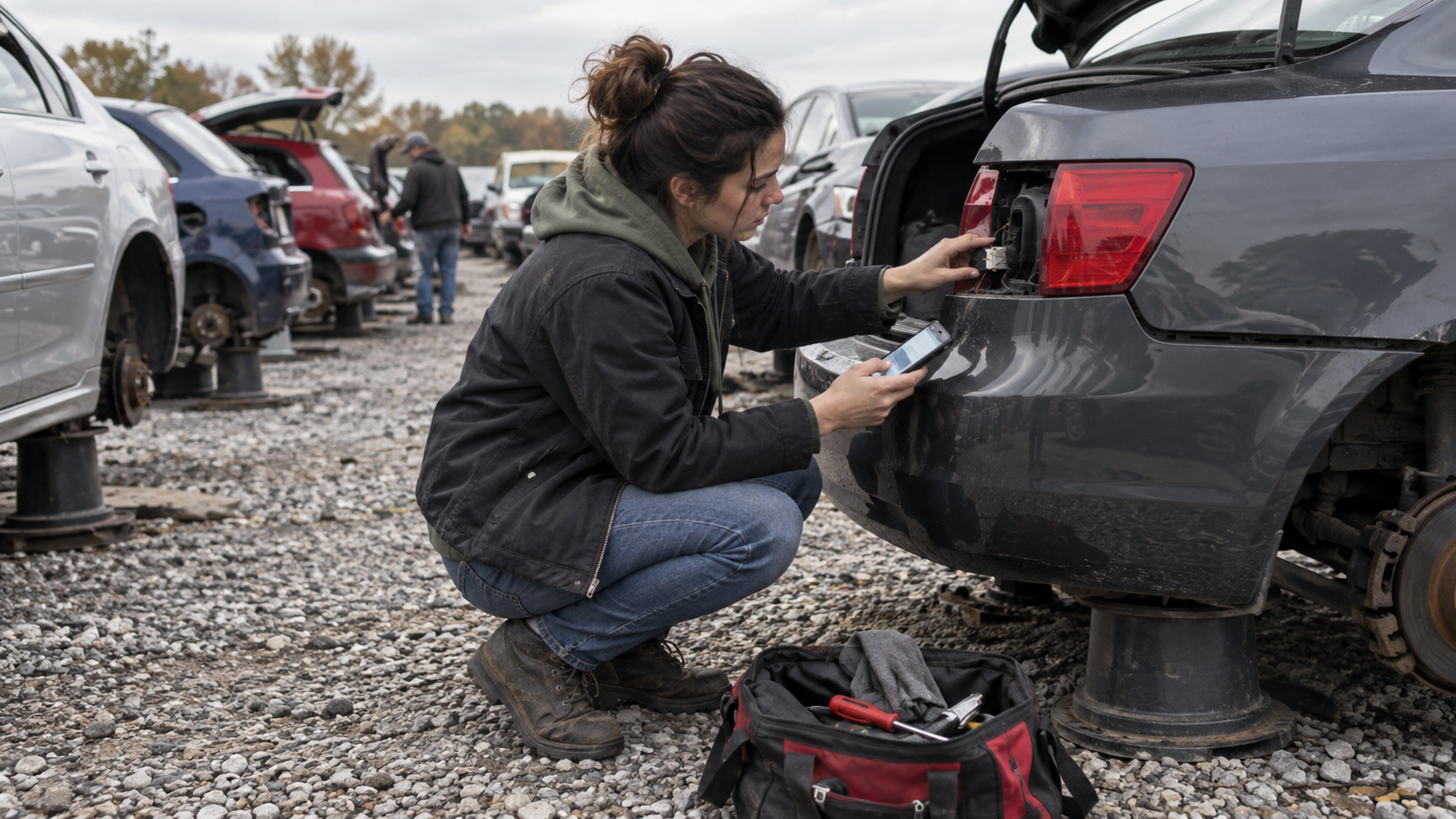
At a self-service yard like Pull-A-Part, you do the pulling. Instead of asking a counter clerk to locate and remove a part, you bring your own tools, find the vehicle on the lot, remove the part yourself, and pay at checkout. Because you supply the labor, prices are usually well below what a full-service salvage operation or repair shop would charge for the same component.
The trade-off is that you're responsible for knowing what you need and confirming it fits. The yard isn't a traditional repair shop, and the inventory is made up of vehicles that arrive, get picked over, and eventually move on. That means availability changes constantly, so a part you saw last week may not be there today — and a vehicle you need might roll in tomorrow.
Before You Go: Check Inventory and Plan Your Pull
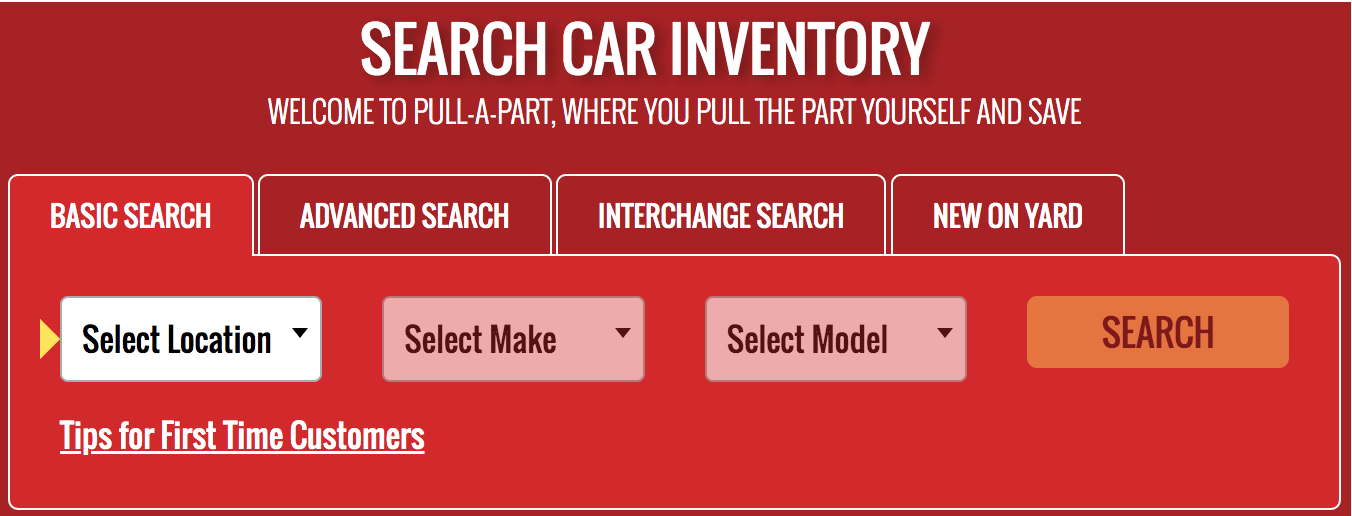
The single biggest time-saver is knowing whether the car you need is even on the lot before you drive over. Pull-A-Part lets you search current inventory online by year, make, and model, and you can sign up to be notified when a matching vehicle arrives. You can check current hours, admission details, and online inventory for the self-service junkyard in Nashville so your trip is built around a car that's actually there.
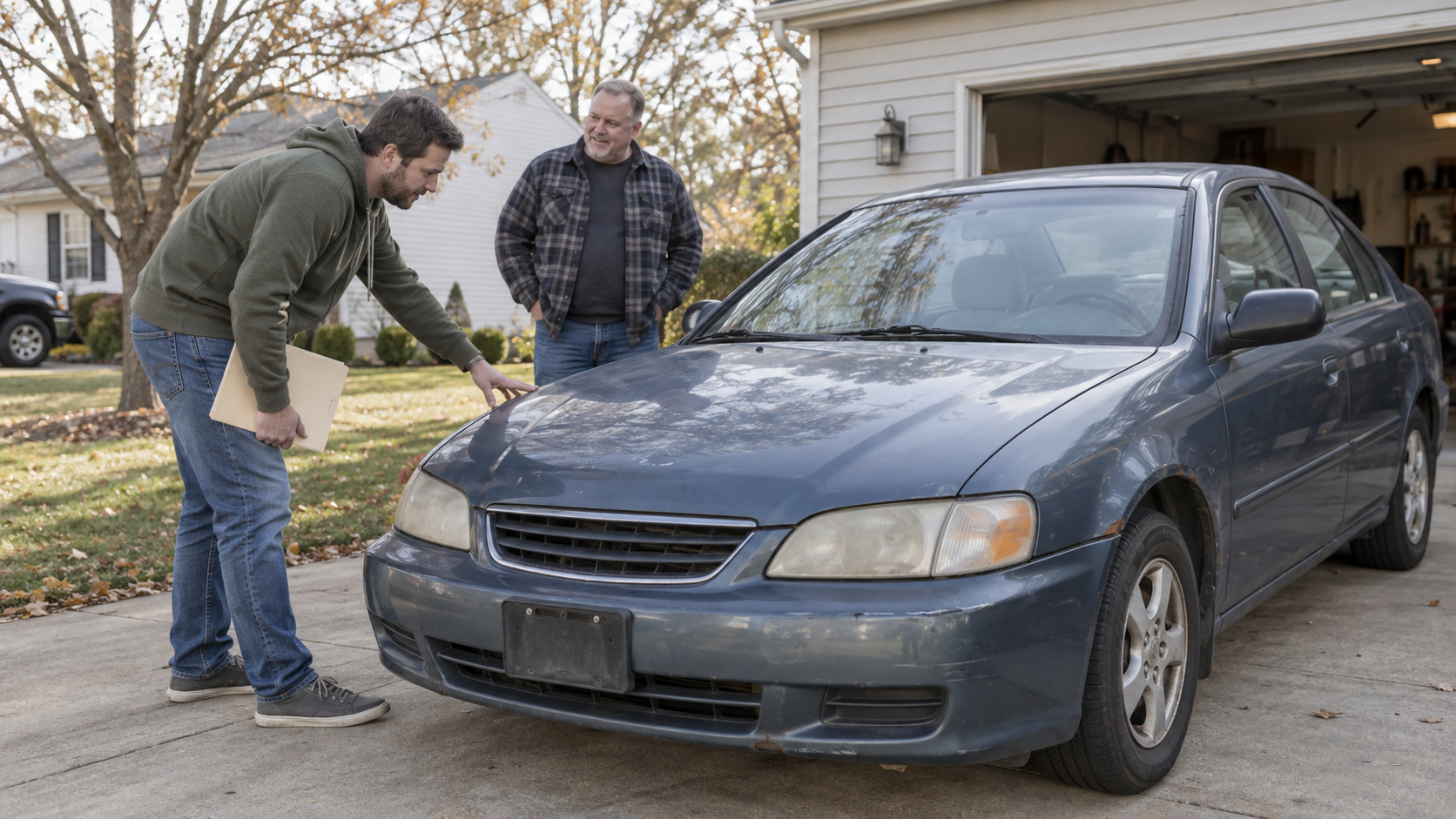
Write down the full details of your own vehicle before you search: year, make, model, trim, engine size, and any interchange information. Parts that look identical often differ between trims or engine options, so matching these details is what keeps you from pulling a component that won't bolt up. When in doubt, compare part numbers or look up interchange data rather than relying on appearance alone.
What to Bring: Tools and Safety Gear
Self-service means you supply your own tools. A basic kit handles most first-time jobs, and good safety gear is not optional in an outdoor yard full of metal, fluids, and uneven ground.
- A socket set and ratchet, plus a few common wrench sizes
- Pliers, a screwdriver set, and a pry bar for stubborn fasteners
- A flashlight or headlamp for dim engine bays and undersides
- Penetrating oil to loosen rusted bolts
- Work gloves and safety glasses, every time
- A drain pan or rags if you're removing anything that holds fluid
- A cart, wagon, or sturdy bag to carry heavier parts back to checkout
Know the Rules Before You Arrive
A few yard policies are worth confirming so you're not turned away at the gate. Pull-A-Part Nashville requires visitors to be at least 16 years old to enter the facility, and there is a small admission fee to get in. Hours and policies can change, so it's smart to verify the current details on the location page or by calling ahead before you make the drive. When you arrive, check in at the entrance, review the posted rules, and note where exits are located.
Step-by-Step: Your First Visit
- Confirm online that a matching vehicle is in stock, then head to the yard with your tool kit and a written list of the parts you need.
- Check in at the entrance, pay admission, and review the yard rules and any posted safety guidance.
- Use the yard layout or map to head straight to the section that holds your vehicle type rather than wandering the whole lot.
- Locate your target vehicle and inspect the part before you commit any time to removing it.
- Remove the part with steady, deliberate movements, supporting heavy components so they don't fall and avoiding damage to the part or to yourself.
- Check off every item on your list, then carry your parts to checkout to pay.
How to Inspect a Used Part Before You Pull It
The advantage of a self-service yard is that you can see exactly what you're getting. Spend a few minutes inspecting before you spend twenty minutes removing. Walk away from anything that shows these warning signs:
- Heavy rust, corrosion, or pitting on critical surfaces
- Cracks, warping, or visible impact damage
- Torn boots, perished rubber, or dry-rotted seals
- Stripped threads, rounded bolt heads, or missing fasteners
- Evidence of leaks, overheating, or prior poor repairs
If two or more vehicles on the lot have the part you need, compare them and take the one in the best condition. A part that's a little harder to reach but in better shape is usually the smarter pull.
Smart Habits That Make the Trip Pay Off
Arriving earlier in the day generally means first pick of freshly arrived vehicles and fewer crowds at popular cars. Snap a few photos of bolt placement, wiring connectors, and hose routing as you remove a part — those pictures are a free service manual when it's time to reinstall. And don't treat self-service as strictly solo: yard staff are experienced and can often point you toward sections or models worth checking, even though they won't pull the part for you.
When Pulling Your Own Parts Isn't the Right Call
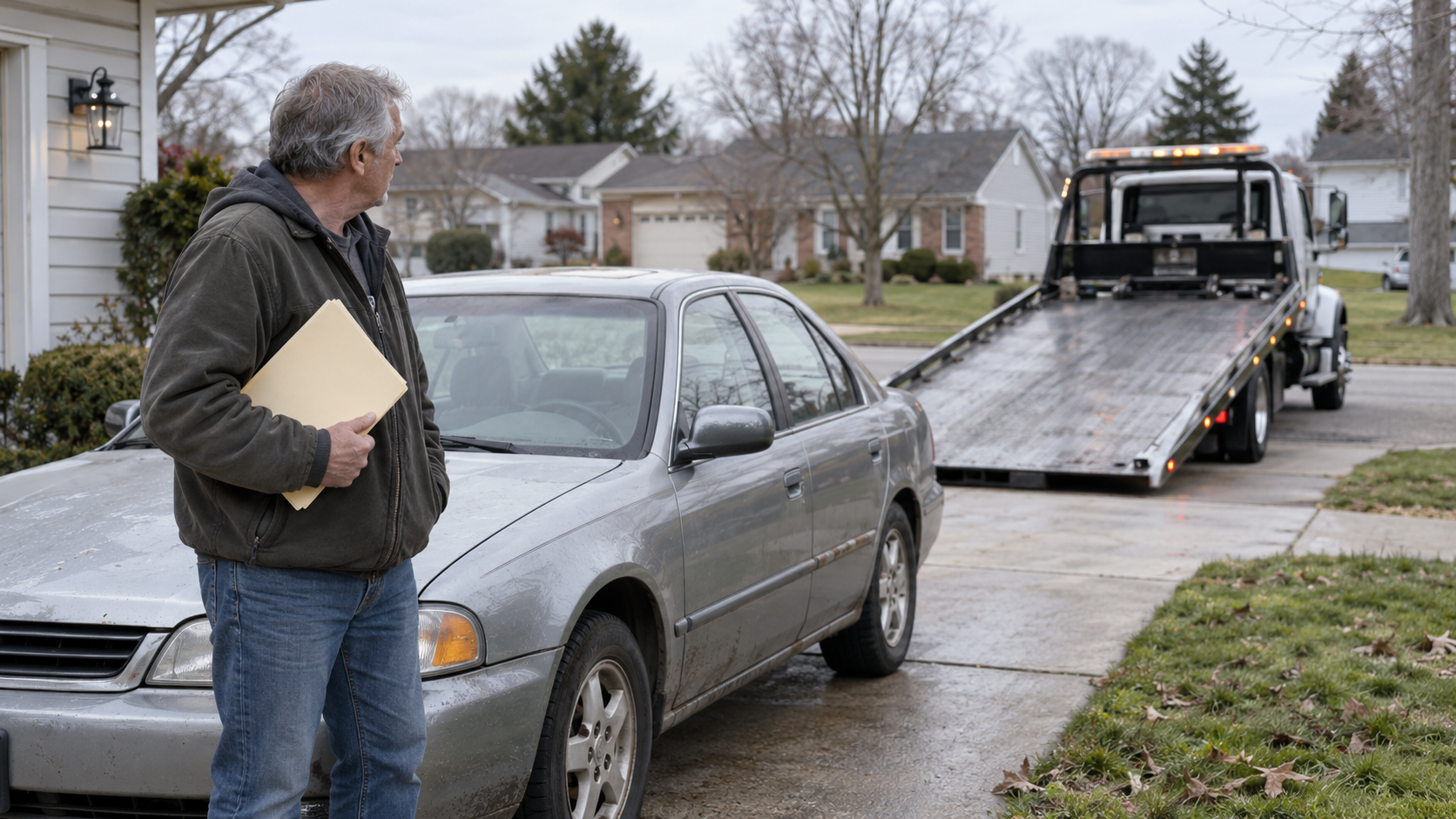
Self-service parts are a great way to keep an older vehicle on the road affordably, but they aren't always the answer. If a repair is going to cost more than the car is worth, or the same component keeps failing, it may be time to weigh other options. If your own vehicle has reached the end of the road, you can get cash for your junk car rather than keep investing in it. And if the repair simply no longer pencils out, it can make more sense to shop for an affordable used car instead. A used vehicle that fits your budget still needs to fit your needs, so treat any car as something to inspect and test, not a guaranteed match.
Common First-Timer Mistakes to Avoid
- Showing up without checking inventory first, then finding the car you need isn't on the lot
- Forgetting tools or safety gear and having to cut the trip short
- Pulling a part that fits a different trim or engine because the year and model alone aren't enough
- Skipping the inspection and discovering the damage only after the part is off the car
- Rushing the removal and breaking a clip, connector, or the part itself
Frequently Asked Questions
Do I need to bring my own tools?
Yes. Self-service yards expect you to supply your own tools and remove the part yourself. Bring a basic socket and wrench set, pliers, a flashlight, and safety gear at minimum.
How do I know if a part will fit my car?
Match the donor vehicle's year, make, model, trim, and engine to yours, and check interchange or part-number information when you can. Visual similarity alone isn't reliable, especially across different trims.
Is it safe to go alone?
Many people visit solo without issue, but bringing a friend adds an extra set of hands for heavy parts and an extra measure of safety. Always wear gloves and eye protection and stay aware of your surroundings.
What if the car I need isn't there?
Inventory changes constantly. Use the online search to confirm what's in stock, and sign up for a notification so you're alerted when a matching vehicle arrives on the lot.
The Bottom Line
A first visit to a self-service junkyard is mostly about preparation. Confirm the car you need is on the lot, bring the right tools and safety gear, inspect before you pull, and match your vehicle's exact specs so the part actually fits. Do that, and what looks like a chaotic field of cars becomes a straightforward, low-cost way to keep your vehicle running. Pull-A-Part Nashville gives hands-on drivers a practical place to do exactly that — and a few minutes of planning is what turns a routine stop into real savings.