How to Sell a Junk Car in Georgia: A Step-by-Step Guide to Getting Cash
Ask AI About Pull-A-Part
TO TURN YOUR JUNK CAR INTO CASH
Get the phone number to a location near you by enterging your zipcode.
Find a Local Junkyard
ALABAMA
ARIZONA
COLORADO
FLORIDA
GEORGIA
INDIANA
KENTUCKY
LOUISIANA
MISSISSIPPI
NEW MEXICO
NORTH CAROLINA
OHIO
PENNSYLVANIA
SOUTH CAROLINA
TENNESSEE
TEXAS
Pull-A-Part | Feb 1, 2026
A vehicle that won't start, isn't worth fixing, or has been parked in your driveway for months can feel like a problem with no easy answer. The good news for Georgia drivers is that even a car that no longer runs usually still has real value — and turning it into cash is often faster and simpler than people expect.
This guide explains how to sell a junk car in Georgia from start to finish: what makes a junk car worth money, what shapes the offer you'll receive, the paperwork the state requires, and the exact steps to finish the sale without staying on the hook for a vehicle you no longer own. By the end, you'll be able to price your car realistically, protect yourself, and choose the selling method that fits your situation.
What Counts as a "Junk Car" — and Why It Still Has Value
A junk car is any vehicle that's worth more for its parts and raw materials than as a running car. It might be wrecked, high-mileage, mechanically failed, or simply too expensive to repair for what it's worth. None of that means it's worthless.
Most of a junk car's value comes from three places: the reusable parts that still work, such as engines, transmissions, alternators, starters, doors, wheels, and glass; the steel and other metals in the body and frame; and the catalytic converter, which contains small amounts of precious metals. Because of this, a car that won't move an inch can still earn a fair cash offer.
What Affects Your Junk Car's Value in Georgia
Two junk cars that look similar can earn very different offers. A buyer's price usually comes down to a handful of practical factors:
- The weight of the vehicle and current scrap metal prices, which rise and fall with the commodities market.
- Demand for its parts — common makes and models with popular, reusable components tend to be worth more.
- How complete and intact the car is, since an engine, catalytic converter, and other major components that are still in place add value.
- Whether you have a clear title, which makes the sale smoother and usually strengthens the offer.
- Your location and how far the buyer has to travel to pick the vehicle up.
Because scrap prices and parts demand change constantly, offers can shift from week to week. Always get a current quote rather than relying on an old estimate, and treat any figure you see online as a starting point, not a guarantee.
Paperwork You'll Need to Sell a Junk Car in Georgia
Georgia is a title-holding state, which means the Certificate of Title is the key document for transferring ownership. To sell your car, you'll generally complete the assignment section on the back of the title — the buyer's full legal name and address, the date of sale, the odometer reading, and the signatures of both the seller and the buyer. Keeping a bill of sale (the state's Form T-7) is also smart as proof of the transaction.
Georgia's official guide to selling a motor vehicle walks through each step and is the best place to confirm current requirements. A few Georgia-specific points are easy to overlook. Your license plate stays with you, not the car — you can keep it, move it to another vehicle, or surrender it to the Department of Revenue. After the sale, cancel the vehicle's registration and then its insurance, and keep copies of everything for your records.
If you've lost the title, you can request a duplicate from the Georgia Department of Revenue's Motor Vehicle Division before selling. If you don't have a title at all, ask the buyer what options may apply and confirm the rules with the DOR, since requirements can differ for older or non-running vehicles. When in doubt, verify before you hand over the keys.
How to Sell Your Junk Car in Georgia, Step by Step
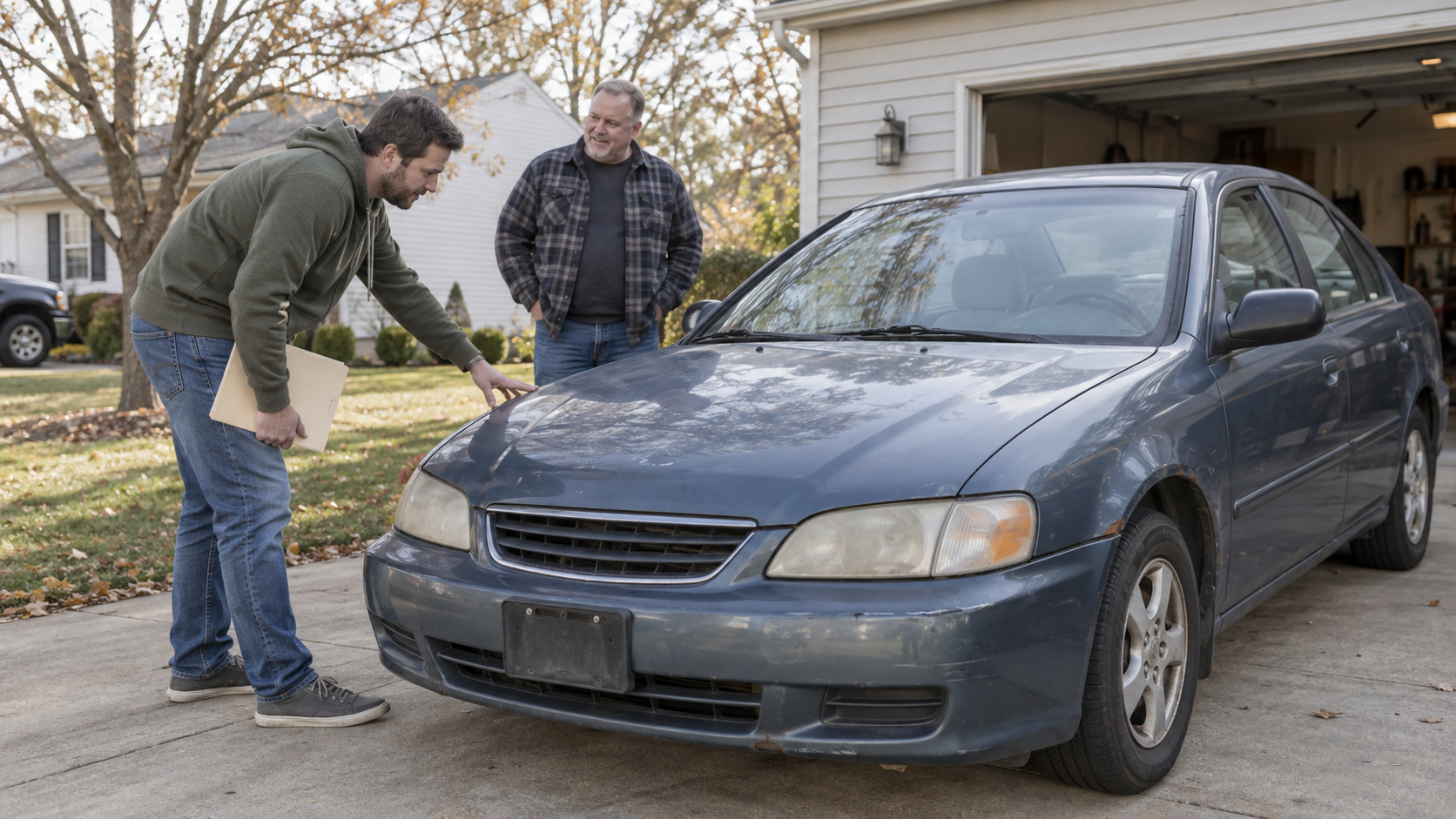
- Assess and prepare the vehicle. Note whether it starts, what's missing, and the overall condition. Remove all personal belongings, check under the seats and in the trunk, and take a few clear photos. Keep the keys if you have them.
- Gather your documents. Locate the title, your photo ID, and any maintenance records, and fill out a bill of sale to keep for yourself.
- Get a quote and compare. Provide the year, make, model, condition, and location to receive an offer, and compare a couple of quotes so you know the price is fair. When you're ready to sell your junk car, you can request a no-obligation quote by phone or online and ask what pickup involves.
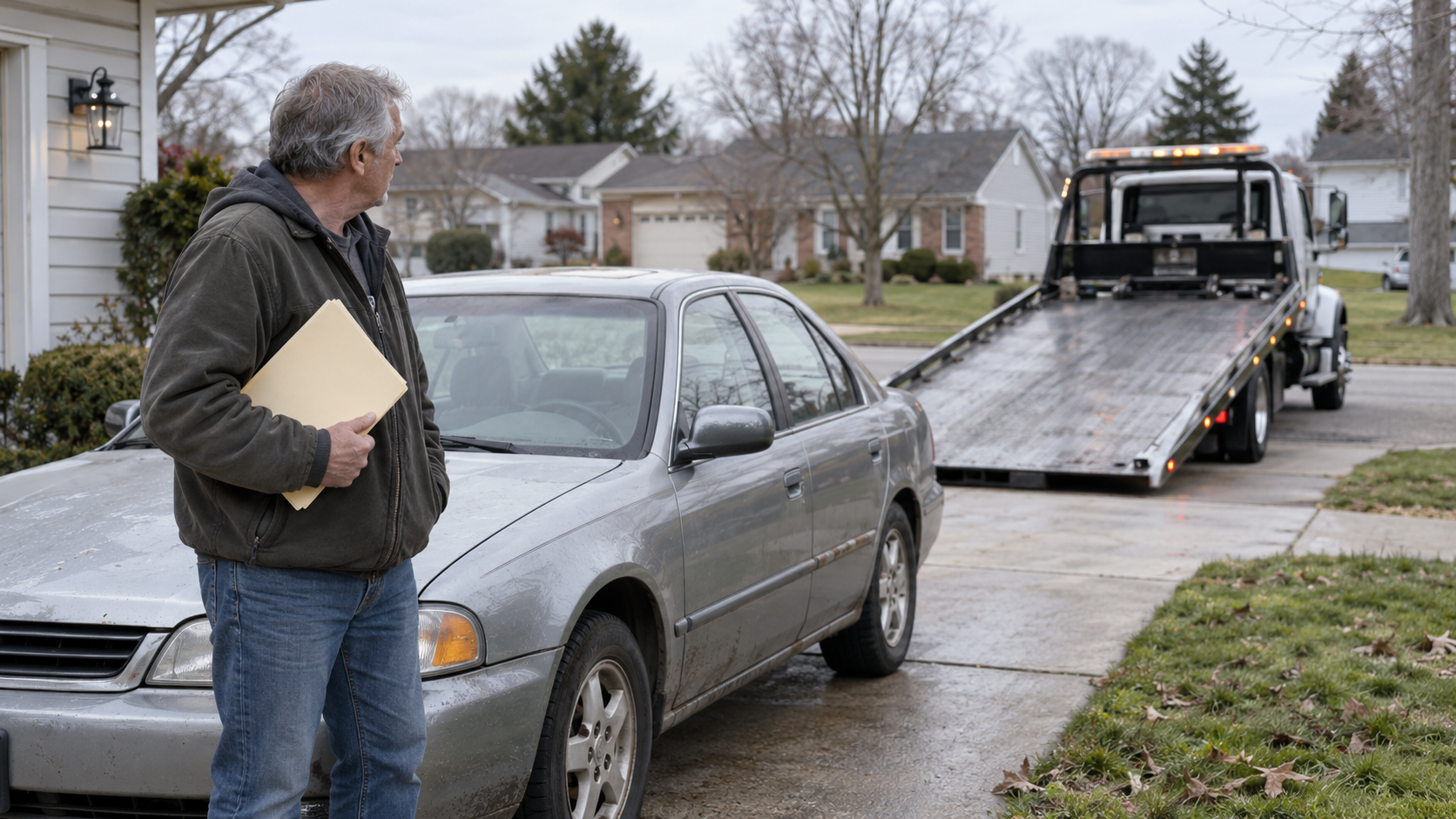
- Schedule the pickup. Choose a convenient time, and if the car doesn't run, confirm that the buyer will pick it up so you don't have to arrange transport.
- Complete the transfer and protect yourself. Sign the title over to the buyer, hand it off, remove your license plate, cancel the registration and insurance, and keep your copy of the bill of sale. These final steps are what release you from future liability for the vehicle.
How Selling to a Self-Service Salvage Yard Works
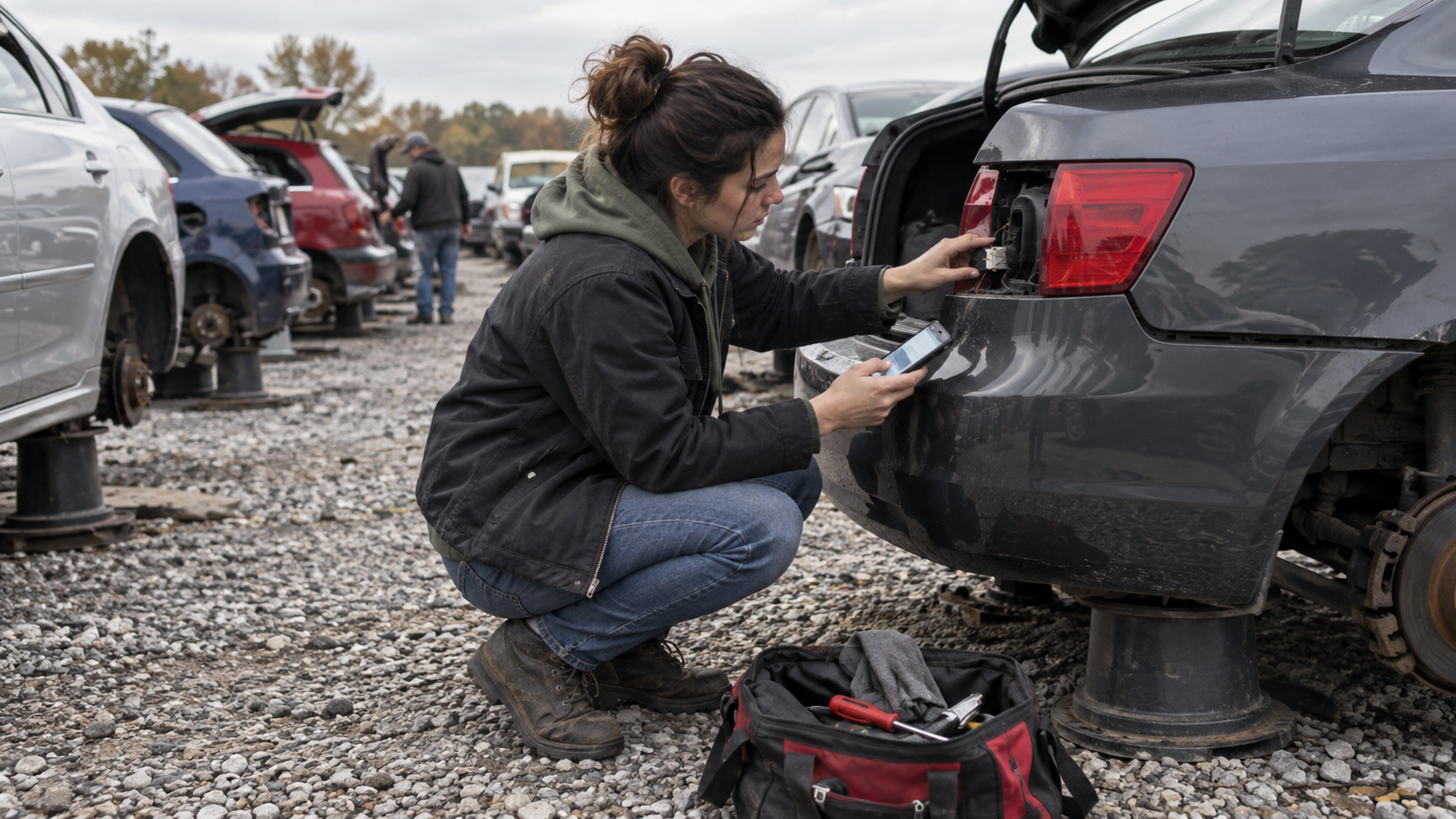
Self-service salvage yards like Pull-A-Part buy vehicles in almost any condition, running or not, and pay cash. Once a car is purchased, its fluids are drained and recycled, the parts that still work are placed on the shelves at the self-service junkyard for do-it-yourself customers to buy at low prices, and the remaining metal is recycled. It's a practical, lower-waste alternative to letting a car sit and rust.
When you sell your junk car to Pull-A-Part, free pickup is typically part of the process, and the team handles the ownership-transfer paperwork according to Georgia law, with payment at the time of pickup. Because availability, offers, and pickup details depend on your location and the specifics of your vehicle, confirm everything when you request your quote rather than assuming the same terms apply everywhere.
Should You Sell, Repair, or Replace?
Not sure whether to sell, repair, or replace? A simple rule of thumb helps: if the repair estimate is higher than the car is worth — or repairs keep stacking up on an aging vehicle — selling usually makes more financial sense than pouring money into it.
If you still need transportation, the cash from a junk car can go toward a replacement. Some drivers put it toward a quality, affordable used car instead of taking on a large repair bill or a new-car payment. Keep in mind that "affordable" doesn't mean perfect for everyone — inspect any used vehicle, review its history, and test drive it to be sure it fits your needs and budget.
Junk Car Selling Checklist for Georgia
Before you finalize the sale, run through this quick checklist:
- Locate the title, or order a duplicate from the Georgia DOR if it's missing.
- Remove all personal items and double-check the glove box, trunk, and under the seats.
- Note the condition and take photos before getting quotes.
- Get and compare current cash offers.
- Confirm the pickup time, payment method, and whether towing is included.
- Sign the title over to the buyer correctly and complete the bill of sale.
- Remove your license plate.
- Cancel the registration, then the insurance.
- Keep copies of the title assignment and bill of sale for your records.
The Bottom Line
Selling a junk car in Georgia comes down to three things: recognizing that your car still has value, getting a fair offer based on current prices, and finishing the paperwork so you're no longer responsible for the vehicle. Take a few minutes to confirm the latest requirements with the Georgia Department of Revenue, line up your title, and compare offers before you commit.
Handled that way, an unwanted car in your driveway can become quick cash and one less thing to worry about — whether you sell it to a self-service salvage yard like Pull-A-Part or another reputable buyer.