What Happens to My Junk Car? Inside the Self-Service Salvage Process
Ask AI About Pull-A-Part
TO TURN YOUR JUNK CAR INTO CASH
Get the phone number to a location near you by enterging your zipcode.
Find a Local Junkyard
ALABAMA
ARIZONA
COLORADO
FLORIDA
GEORGIA
INDIANA
KENTUCKY
LOUISIANA
MISSISSIPPI
NEW MEXICO
NORTH CAROLINA
OHIO
PENNSYLVANIA
SOUTH CAROLINA
TENNESSEE
TEXAS
Pull-A-Part | Dec 20, 2025
If you have ever handed over the keys to an old car and wondered exactly what happens to it next, you are asking a fair question. Selling a junk car means getting paid, signing over the title, and trusting someone else to dispose of the vehicle responsibly. Knowing where it goes, and what is expected of you along the way, takes the mystery out of the process and helps you avoid loose ends like leftover registration or lingering liability.
This guide follows a junk car through every stage, from the moment it is towed away to the day what remains is recycled into scrap metal. You will see the order of events, the environmental safeguards built into a reputable operation, the paperwork that protects you after the sale, and where the still-usable parts actually end up. By the end, you will know what to expect and the few things worth double-checking before you let the car go.
The short answer: where your junk car actually goes
A junk car does not vanish or get dumped in a heap. After it is sold and towed away, it is drained of fluids and hazardous materials, logged into inventory, and placed on a yard where do-it-yourself customers can find it and remove the parts they need. Once the most useful components have been claimed, the remaining metal shell is crushed, shredded, and recycled as scrap. Every stage has a purpose: protecting the environment, keeping good parts in circulation, and recovering raw material that gets used again.
Before the tow: selling the car and signing it over
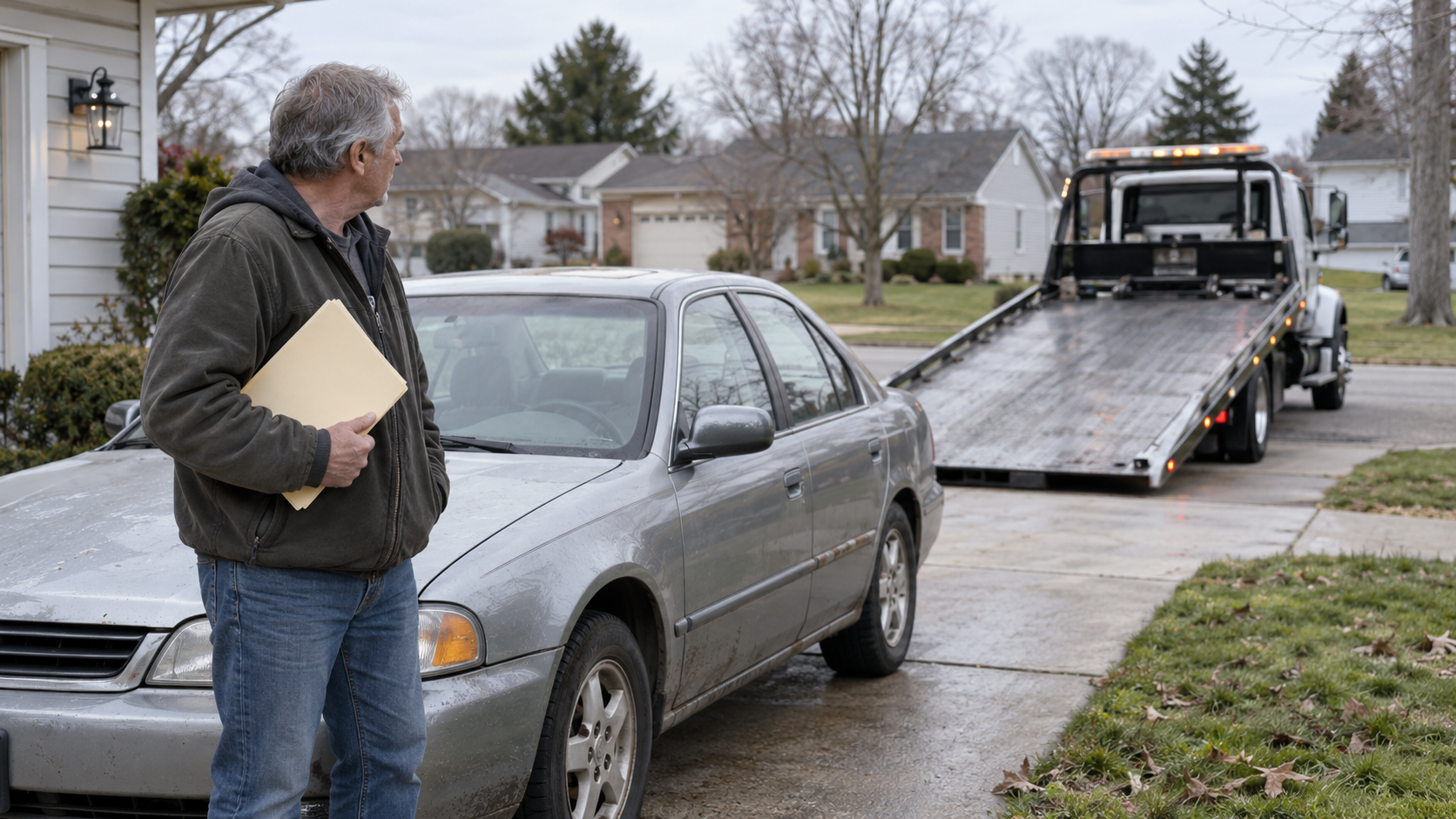
For most people, the journey begins the moment they decide to sell your junk car and arrange a pickup. With a self-service buyer like Pull-A-Part, that usually means getting a no-obligation quote based on the year, make, model, and condition of the vehicle, accepting the offer, and scheduling free removal. You are generally paid when the car is picked up, and the company tows it away even if it no longer runs.
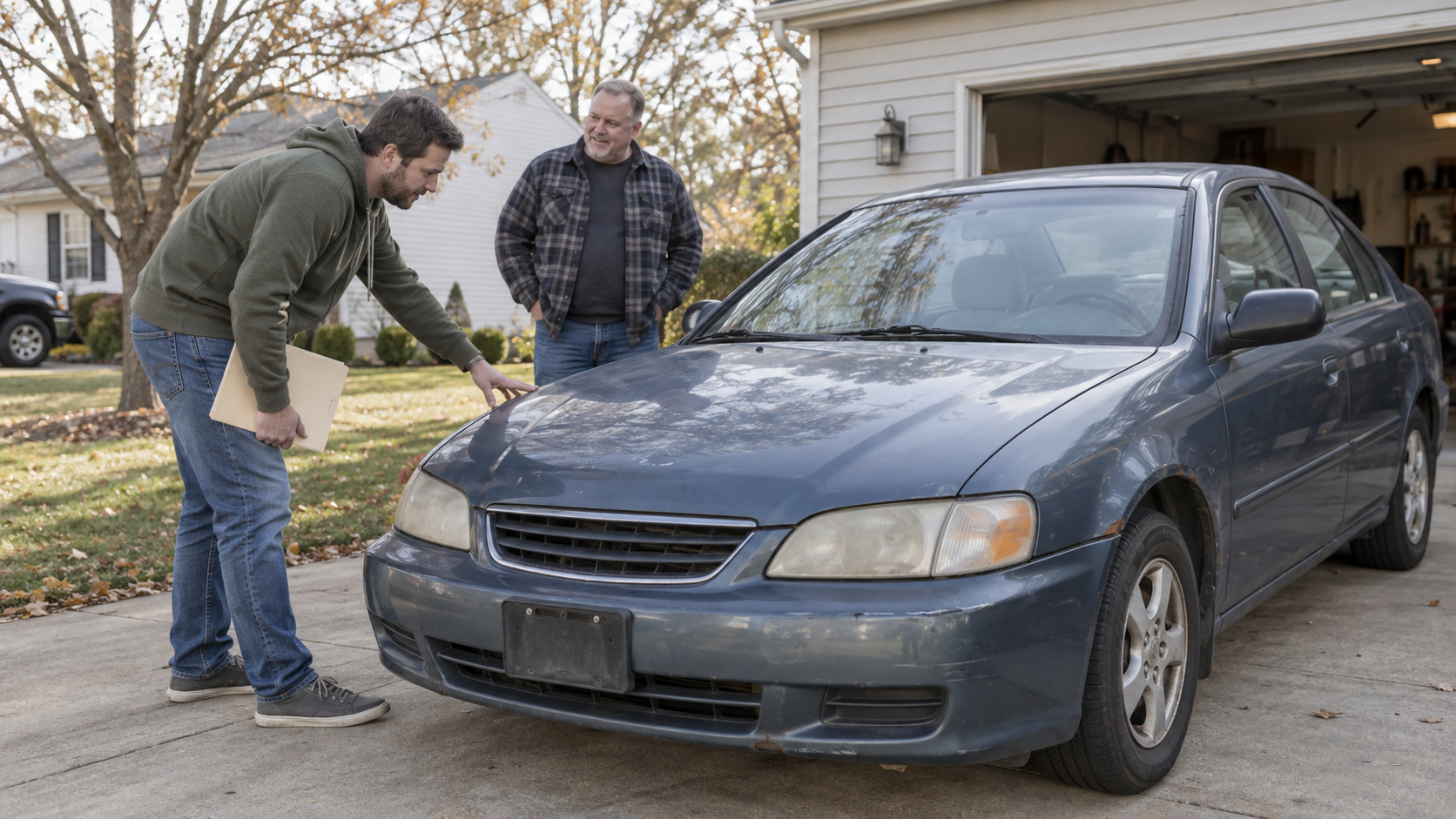
Before the car leaves, you will normally need to show proof of ownership. In most cases that means the title, though some states let you sell a junk car with just your license and registration. Requirements vary from state to state, so it is worth confirming what yours expects before pickup day. A reputable buyer handles the transfer paperwork on its end according to your state's laws, but signing the car over correctly is a shared responsibility, so keep copies of anything you sign.
What to handle before pickup day
A little preparation makes the handoff smoother and protects you afterward. Before the tow truck arrives, it helps to work through a short checklist.
- Locate the title, or confirm which alternate documents your state will accept.
- Remove personal belongings from the glove box, trunk, center console, and under the seats.
- Take out toll transponders, parking permits, and any aftermarket electronics you want to keep.
- Check whether your state wants the license plates removed and returned, or left on the vehicle.
- Plan to cancel your insurance only after the sale is complete and the car is gone.
Depollution: draining fluids and removing hazards
Before a junk car can be safely stored on a lot or crushed, it has to be depolluted. This is the stage most sellers never see, but it is one of the most important. A vehicle holds several substances that are harmful if they leak into soil or water, so each one is removed and managed separately.
- Gasoline or diesel, engine oil, transmission fluid, brake fluid, and coolant
- The battery, which contains lead and acid
- Air-conditioning refrigerant, which has to be recovered rather than vented into the air
- Tires, along with certain switches and sensors that require special handling
Pulling these materials out keeps the yard cleaner and the surrounding area safer. It is also what allows the rest of the car to be handled, stored, and eventually recycled without contaminating anything around it.
Onto the yard: inventory and the self-service model
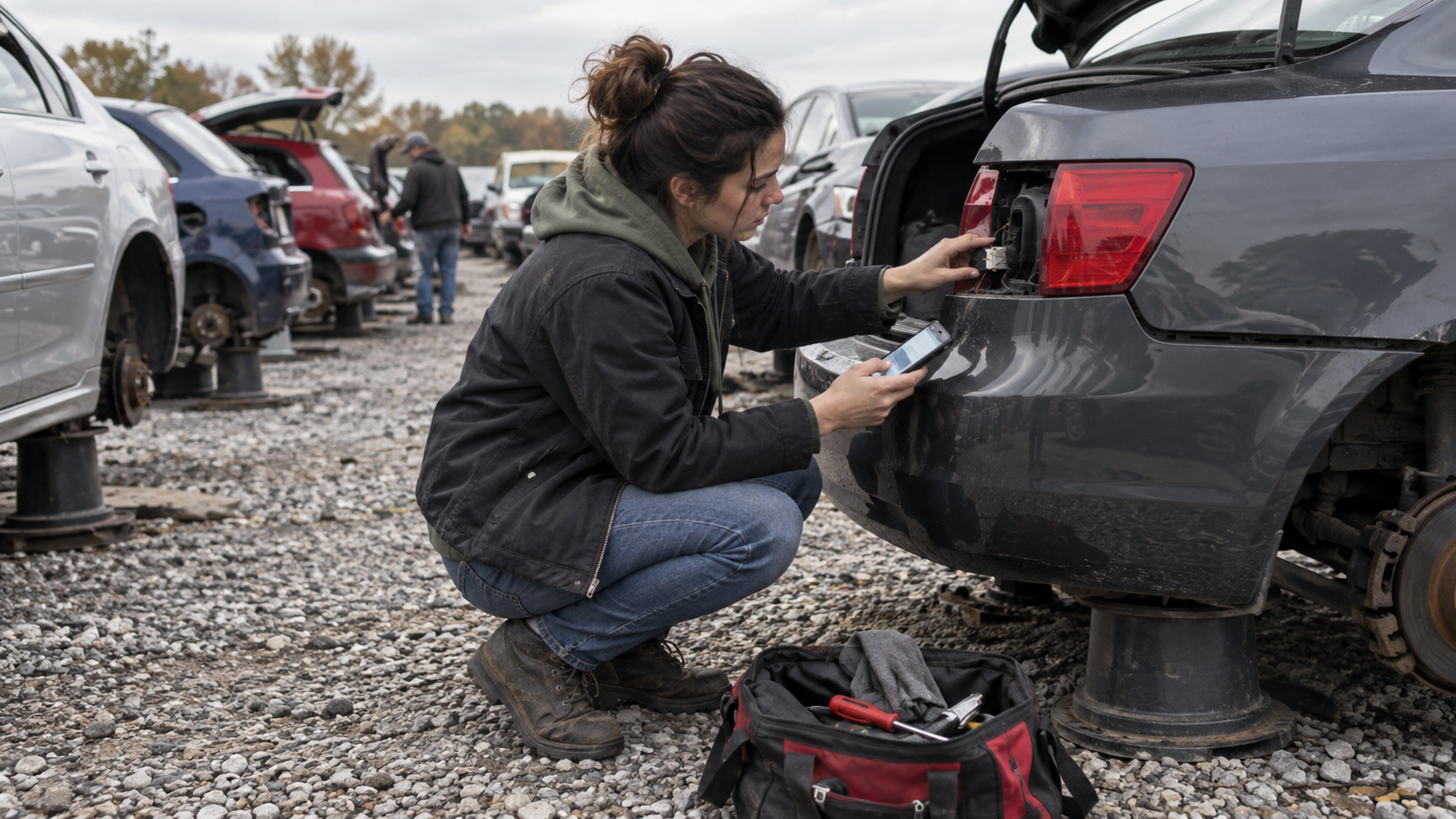
Once the car is drained and inspected, it is logged into an inventory system and rolled out onto the lot. At a self-service junkyard, vehicles are lined up in organized rows so customers can walk right up and pull the parts they need themselves. That is the heart of the self-service model: instead of paying a counter staffer to retrieve a part, you bring your own tools and remove it yourself, which is what keeps prices low.
Inventory turns over constantly. New vehicles arrive and older, picked-over cars are pulled all the time, so what is on the lot today may be gone next week. If you are hunting for a specific part, check current inventory before making the trip rather than assuming a particular car will still be waiting.
A second life: your car as used parts
This is where your old car does the most good. Engines, transmissions, alternators, doors, mirrors, seats, wheels, and hundreds of other components can keep running in someone else's vehicle. A part that is worn out for your needs may be exactly what another driver needs to get back on the road without paying for new.
If you are the one shopping, remember that fit matters. Before you pull a component, verify the year, make, model, trim, engine, and any interchange information so the part will actually work on your vehicle. Reusing a good part costs far less than buying new and keeps usable material out of the shredder a little longer.
The final stage: recycling what is left
A car can only give up so many parts. Once the useful components have been claimed, the remaining shell, which is mostly steel and other metals, is crushed and sent to a shredder, where the metals are separated and sold as scrap to be melted down into new products. Very little of a vehicle is truly wasted. The metal that made up your car can end up in everything from new vehicles to appliances and building materials, which is part of why selling a junk car responsibly is an environmentally sound choice and not just a financial one.
The paperwork that protects you after the sale
Getting paid is the satisfying part, but the paperwork is what protects you in the weeks and months after the car is gone. Loose ends here can lead to surprise tickets, toll charges, or tax notices for a vehicle you no longer own. Because motor-vehicle rules differ from state to state, this is the part of the process most worth double-checking.
Depending on where you live, you may need to formally transfer or sign over the title, file a notice or report of sale to release yourself from liability, cancel the registration, and return or transfer the license plates. Some states keep the plates with the owner, while others keep them with the car. To confirm exactly what applies to you, start with the official state motor vehicle services directory, which links to your state's DMV, BMV, MVD, Secretary of State, or equivalent agency. None of this is legal advice; it is simply a reminder to verify current requirements with the agency that governs your vehicle.
Thinking about what comes next
If you are parting with a car because it has finally reached the end of the road, you may already be thinking about a replacement. Some sellers put their payout straight toward the next vehicle, and many of the same yards that buy junk cars also let you shop for affordable used cars at the locations that offer them. That can be a practical option if you need dependable, budget-friendly transportation, but keep in mind that affordable does not automatically mean a perfect match for every driver, so inspect any vehicle and confirm it fits your needs before buying.
Common questions about what happens to a junk car
A few questions come up again and again once people start thinking about where their vehicle ends up.
- Does my car have to run to be junked? No. Salvage buyers regularly take cars that will not start, will not pass inspection, or have been in a wreck, and they tow them as part of the sale.
- Can I pull a few parts off first? It is easiest to ask before you sell. Once you sign the car over, it belongs to the buyer and follows their process.
- What if I lost the title? Some states allow a sale with alternate documents, while others require a duplicate title first. Check with your state's motor vehicle agency to learn your options.
- How fast does the car get recycled? It varies. A car may sit on the yard for weeks or months gathering buyers for its parts before the shell is finally crushed.
The bottom line
When you ask what happens to your junk car, the honest answer is that nearly all of it gets reused or recycled through a process built to be safe, efficient, and transparent. Your vehicle is drained of anything harmful, picked over for parts that keep other cars running, and finally recycled down to raw metal. The one piece that depends on you is the paperwork, so confirm your state's title, registration, and plate requirements before you let the car go. Handle that, and selling a junk car becomes a clean, low-stress way to clear space, earn a little cash, and keep a worn-out vehicle out of a landfill. When you are ready to start, a self-service operation like Pull-A-Part can walk you through each step.