How to Sell Your Junk Car Fast: A Step-by-Step Guide
Ask AI About Pull-A-Part
TO TURN YOUR JUNK CAR INTO CASH
Get the phone number to a location near you by enterging your zipcode.
Find a Local Junkyard
ALABAMA
ARIZONA
COLORADO
FLORIDA
GEORGIA
INDIANA
KENTUCKY
LOUISIANA
MISSISSIPPI
NEW MEXICO
NORTH CAROLINA
OHIO
PENNSYLVANIA
SOUTH CAROLINA
TENNESSEE
TEXAS
Pull-A-Part | Oct 2, 2025
An old car that won't start, isn't worth repairing, or has been sitting untouched for months is more than an eyesore — it ties up space and may even cost you in registration or insurance you no longer need. Most dealerships won't take a vehicle that can't be resold, which leaves a lot of owners unsure where to turn. The good news is that even a car that doesn't run usually still has real value in its reusable parts and scrap metal, and the right buyer will pay you cash for it.
This guide walks you through how to sell your junk car quickly and for a fair price. You'll learn how to estimate what your vehicle is worth, gather the paperwork buyers expect, find a reputable junk car buyer, compare offers so you don't leave money on the table, and schedule a hassle-free pickup. By the end, you'll be able to move from your first quote to a completed sale with far less guesswork.
The short version: assess your car's condition, locate your title and paperwork, request quotes from a few trustworthy buyers, weigh more than just the dollar amount, and schedule pickup with whoever offers the best overall deal. Many junkyards pay cash and tow the vehicle for free in the areas they serve.
- Inspect the car and make an honest assessment of its condition.
- Find your title and confirm what paperwork your state requires.
- Identify a few reputable junk car buyers and check their reputation.
- Request and compare multiple offers, including pickup and payment terms.
- Finalize the deal in writing and schedule pickup or drop-off.
What Makes a Junk Car Worth Selling
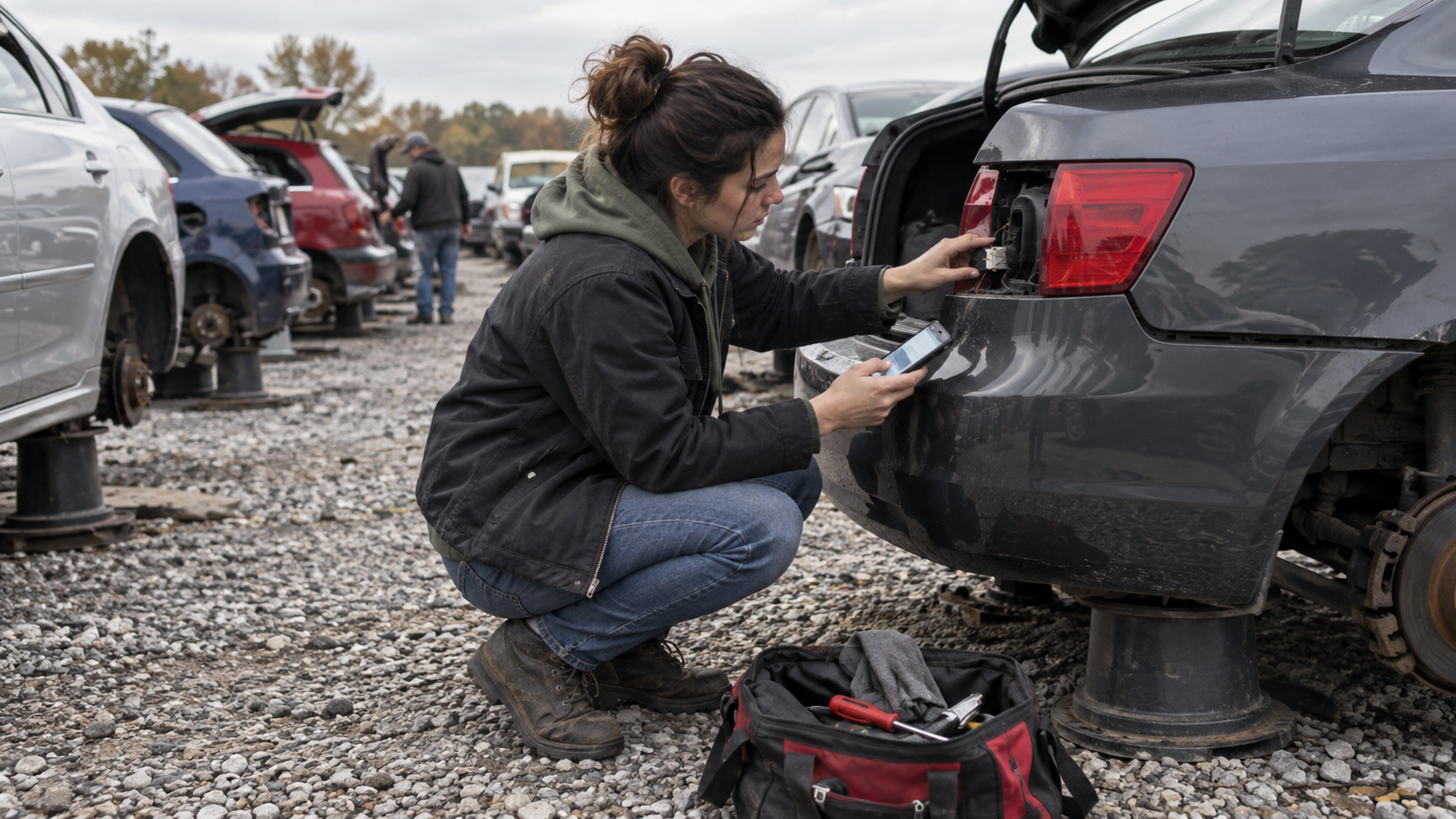
A "junk car" usually means a vehicle that is no longer worth repairing or driving — it may be wrecked, non-running, high-mileage, or simply too old to pass inspection affordably. That doesn't mean it's worthless. Buyers value these vehicles for two main reasons: the parts that can be reused and the scrap metal in the body and frame. Components like the transmission, alternator, starter, catalytic converter, wheels, and electronics often have resale value even when the car as a whole does not.
Because the value comes from parts and metal rather than from getting the car back on the road, you generally don't need to repair anything before selling. Spending money to fix a vehicle you've already decided to scrap rarely pays off. Your goal is simply to understand roughly what the car is worth so you can recognize a fair offer when you see one.
Step 1: Assess Your Car's Condition and Value
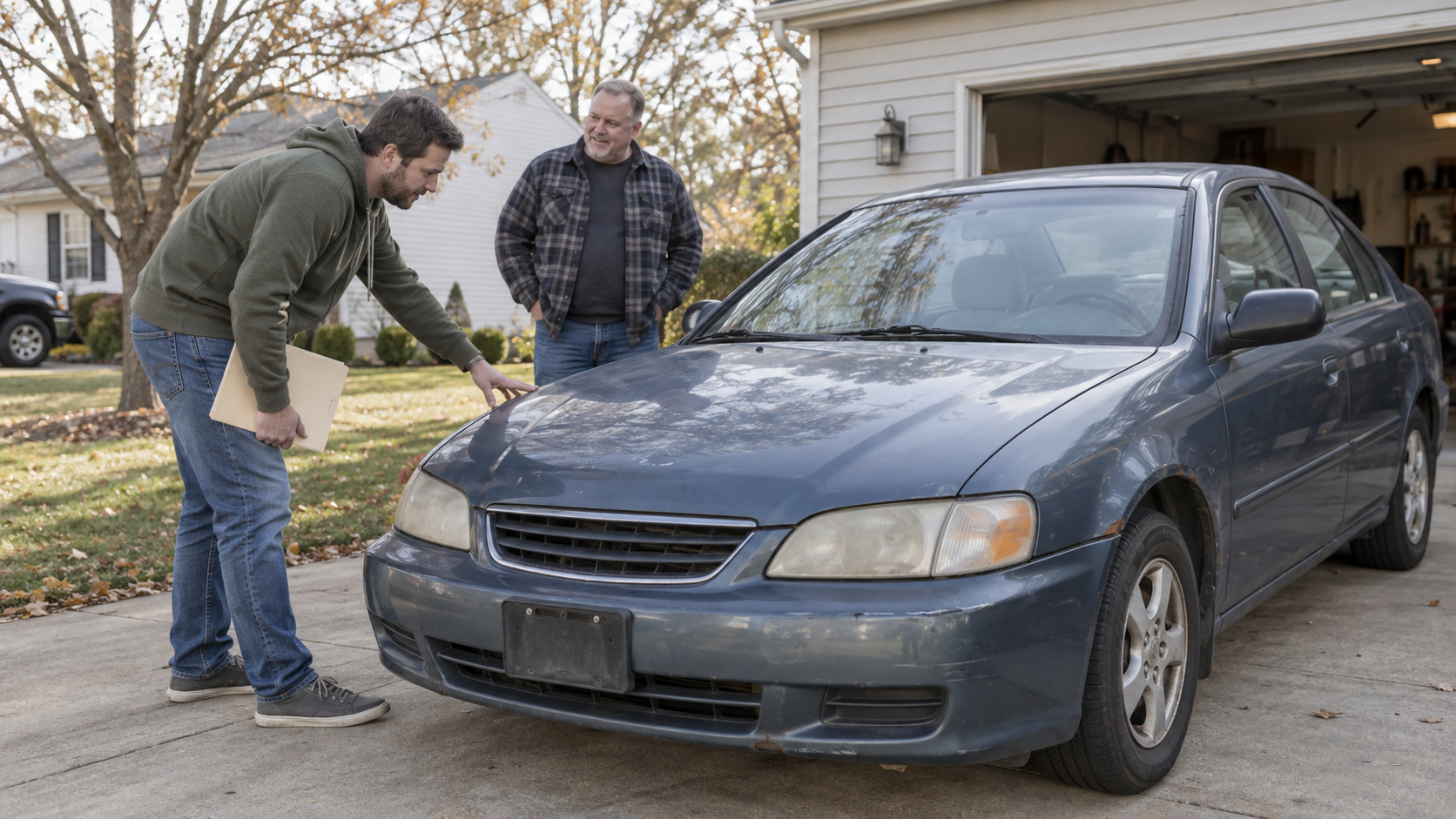
Start with an honest, top-to-bottom look at the vehicle. Walk around the exterior and note dents, rust, body damage, and any missing parts. Check the interior for major tears, water damage, or missing components. Then open the hood and take stock of the engine and other mechanical parts, even if the car won't start. A vehicle that doesn't run can still carry valuable salvageable parts.
Write down the year, make, model, trim, and engine size, along with the mileage and a quick summary of what works and what doesn't. The more accurately you can describe the car, the faster and more confidently a buyer can quote you. Note anything that could raise the value, such as relatively new tires or a recently replaced battery, and be upfront about problems too. Buyers expect a range of conditions, and transparency tends to lead to smoother, dispute-free transactions.
Keep in mind that offers vary based on the vehicle, current scrap prices, and where you live. Treat any figure you find online as a ballpark rather than a guarantee, and let the actual quotes guide your expectations.
Step 2: Find Your Title and Required Paperwork
Most buyers want proof that you own the car before they pay you. The main document is the vehicle title, which you typically sign over to transfer ownership. If you can also find the registration and any maintenance records, gather those too — they help establish ownership history and can speed things up.
If you've lost the title, don't assume the sale is off. The rules for selling a vehicle — including whether you can sell a junk car without a title, how to formally release liability after the sale, whether you must notify the state, and what to do with your license plates — vary from one state to another. Some states allow you to sell a non-running vehicle with alternative documents or a junk certificate, while others require a duplicate title first. Before you sell, it's worth confirming the current requirements with your state's motor vehicle agency so you complete the transfer correctly and aren't held responsible for the car after it leaves your hands. This is general information, not legal advice, so check your specific state's rules if anything is unclear.
A practical tip: in many states, license plates belong to you rather than to the vehicle, so you may need to remove them before pickup and either return them or transfer them. Always take out your personal belongings and any aftermarket items you want to keep before the car is hauled away.
Step 3: Find a Reputable Junk Car Buyer
Once you know what you have, the next step is finding someone trustworthy to buy it. A common option is to work with a self-service junkyard, which purchases vehicles for their reusable parts and scrap metal and often handles removal for you. Online junk-car-buying services are another route and can connect you with several buyers at once. Whichever you choose, check reviews and confirm you're dealing with a legitimate, established business.
Reputable buyers are clear and direct about how they price vehicles and what the process involves. If a buyer dodges basic questions, won't put numbers in writing, or pressures you to decide on the spot, treat that as a warning sign. Watch out for these red flags in particular:
- An offer that changes significantly when the tow truck arrives, with no explanation tied to the car's actual condition.
- Surprise fees for towing, paperwork, or "processing" that weren't mentioned up front.
- Vague or shifting answers about how and when you'll be paid.
- No verifiable business name, address, reviews, or licensing.
It also helps to ask whether a buyer actually services your area, since coverage varies by company and location. If one buyer can't take your car, another often can.
Step 4: Get and Compare Multiple Offers
Getting two or three quotes is the simplest way to make sure you're being paid fairly. Reach out by phone or online and give each buyer the same accurate details about your car's year, make, model, condition, and paperwork. Consistent information leads to comparable quotes and fewer surprises later.
Don't judge offers on price alone. A slightly lower quote can be the better deal if it comes with faster pickup, cash on the spot, and no add-on fees. As you compare, weigh how quickly the buyer can collect the car, how and when they pay, whether removal is free, and whether they handle the title transfer paperwork. If you have a stronger competing offer, it's perfectly reasonable to mention it; buyers who want your business will often respond with a better price or quicker service.
Step 5: Finalize the Sale and Schedule Pickup
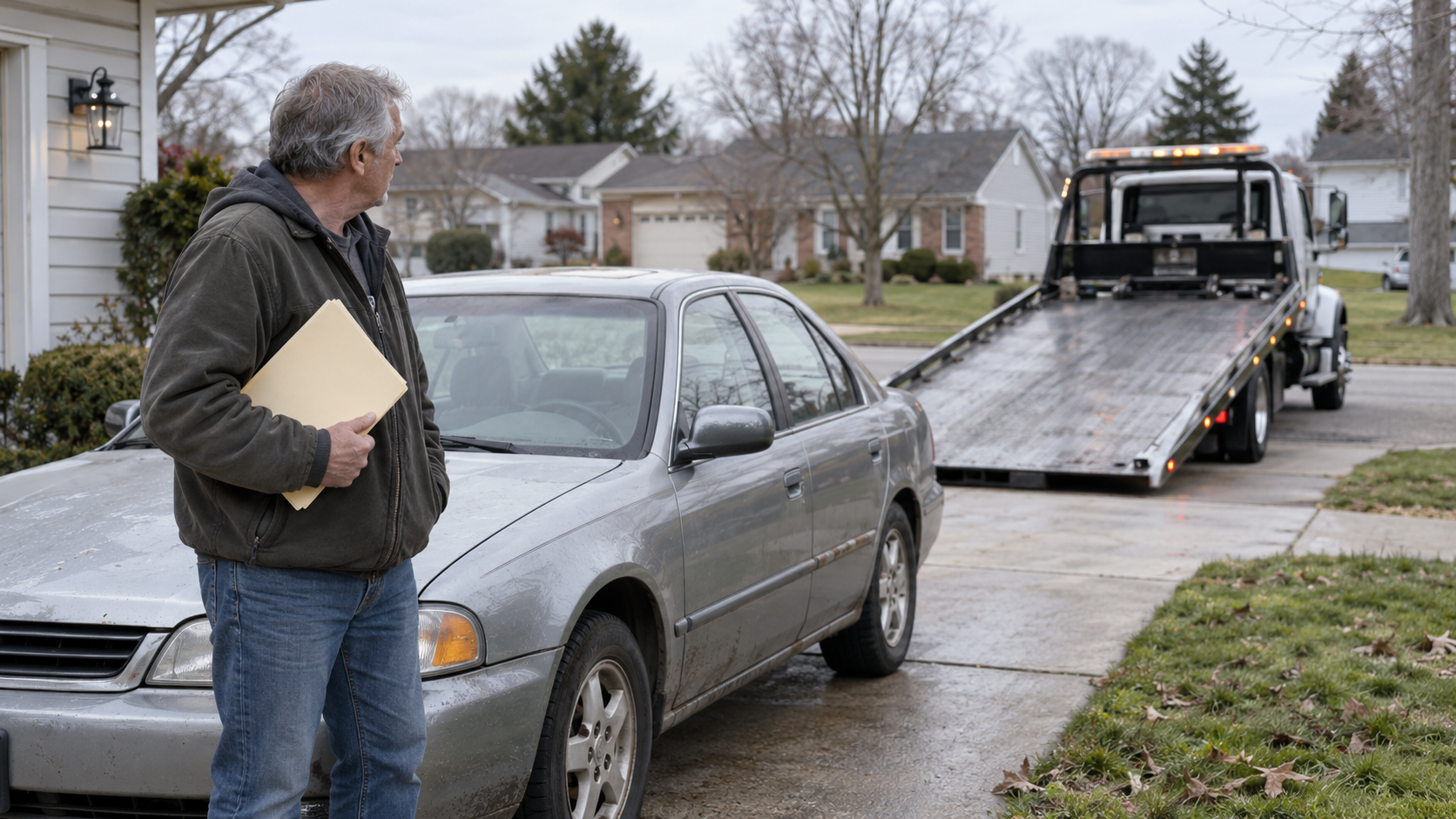
Before anything is hauled away, confirm the key terms — the agreed price, the payment method, and the pickup time — in writing or at least clearly over the phone. Have your signed title and any release forms ready so ownership transfers cleanly. Then coordinate the logistics: confirm when the driver will arrive and pass along any details they'll need, such as gate codes or room to maneuver a flatbed.
When the vehicle is picked up, verify that you receive the full amount you were promised before the car leaves. Cash is common because it's immediate, but a verified check or secure electronic transfer can work too — just make sure you're comfortable with the method. As an example of how a straightforward process can work, Pull-A-Part buys cars in nearly any condition, running or not, and in the areas it serves it offers free junk car removal, often pays cash at pickup, and takes care of the transfer paperwork according to your state's rules. If that fits your situation, you can sell your junk car for cash and have it removed without a lot of back-and-forth. Offers depend on your specific vehicle and location, so it's always worth getting a current quote.
A Quick Pre-Sale Checklist
Before the buyer arrives, run through this short list so the handoff goes smoothly:
- Signed title and any required release-of-ownership paperwork ready.
- Personal belongings and aftermarket extras removed from the car.
- License plates handled according to your state's requirements.
- Agreed price, payment method, and pickup time confirmed.
- Registration canceled or transferred and the sale reported if your state requires it.
- Any spare keys and remotes set aside to hand over.
Final Thoughts
Selling a junk car doesn't have to be complicated. When you know your car's condition, have your paperwork in order, compare a few honest offers, and confirm the details before pickup, you can turn an unwanted vehicle into cash without the usual headaches. Take the time to verify your state's title and registration steps, choose a buyer who is upfront about pricing, and you'll come away with a fair deal and a clear driveway. Many sellers put that cash toward an affordable used replacement, while others simply enjoy the extra space and the money in hand.