Auto Recycling in Tennessee: What Happens to End-of-Life Cars (and How to Recycle Yours)
Ask AI About Pull-A-Part
TO TURN YOUR JUNK CAR INTO CASH
Get the phone number to a location near you by enterging your zipcode.
Find a Local Junkyard
ALABAMA
ARIZONA
COLORADO
FLORIDA
GEORGIA
INDIANA
KENTUCKY
LOUISIANA
MISSISSIPPI
NEW MEXICO
NORTH CAROLINA
OHIO
PENNSYLVANIA
SOUTH CAROLINA
TENNESSEE
TEXAS
Pull-A-Part | Jun 17, 2026
If you have a car sitting in the driveway that no longer runs, isn't worth fixing, or failed its last big repair estimate, you have a decision to make. You can let it rust, or you can recycle it and recover real value from it. Auto recycling in Tennessee is the process that turns that worn-out vehicle into reusable parts, recovered metal, and properly handled waste instead of one more hulk taking up space.
This guide explains what actually happens when a car is recycled, why it matters for Tennessee drivers and communities, and the practical steps for recycling your own end-of-life vehicle the right way—including the title paperwork people most often get wrong.
In short: Auto recycling is the dismantling of an end-of-life vehicle so its fluids are safely drained, its usable parts are resold, and its metals are recovered and melted down into new products. Done responsibly, almost none of a vehicle ends up in a landfill.
What "Auto Recycling" Really Means
Auto recycling isn't the same as simply scrapping a car. A reputable recycler works through the vehicle in a deliberate order: hazardous fluids first, then reusable parts, then the metal shell. The goal is to keep dangerous materials out of the environment while putting everything still useful back into circulation.
Tennessee recyclers and self-service yards generally operate under environmental and scrap-recycling standards. Pull-A-Part's Nashville yard, for example, is a member of the Tennessee Scrap Recyclers Association and the Institute of Scrap Recycling Industries—a sign the facility follows established recycling practices rather than just crushing cars.
What Gets Recovered From a Recycled Car
Three categories of material determine whether a vehicle becomes pollution or a resource. Here is what a responsible recycler does with each, plus the part of the process the original "junk car" reputation tends to overlook.
- Fluids are drained and processed first. Engine oil, coolant, transmission fluid, brake fluid, and fuel are removed before anything else. These can contaminate soil and groundwater if a car is left to leak in a field or a backyard, so reclaiming them is the single most important step for the environment.
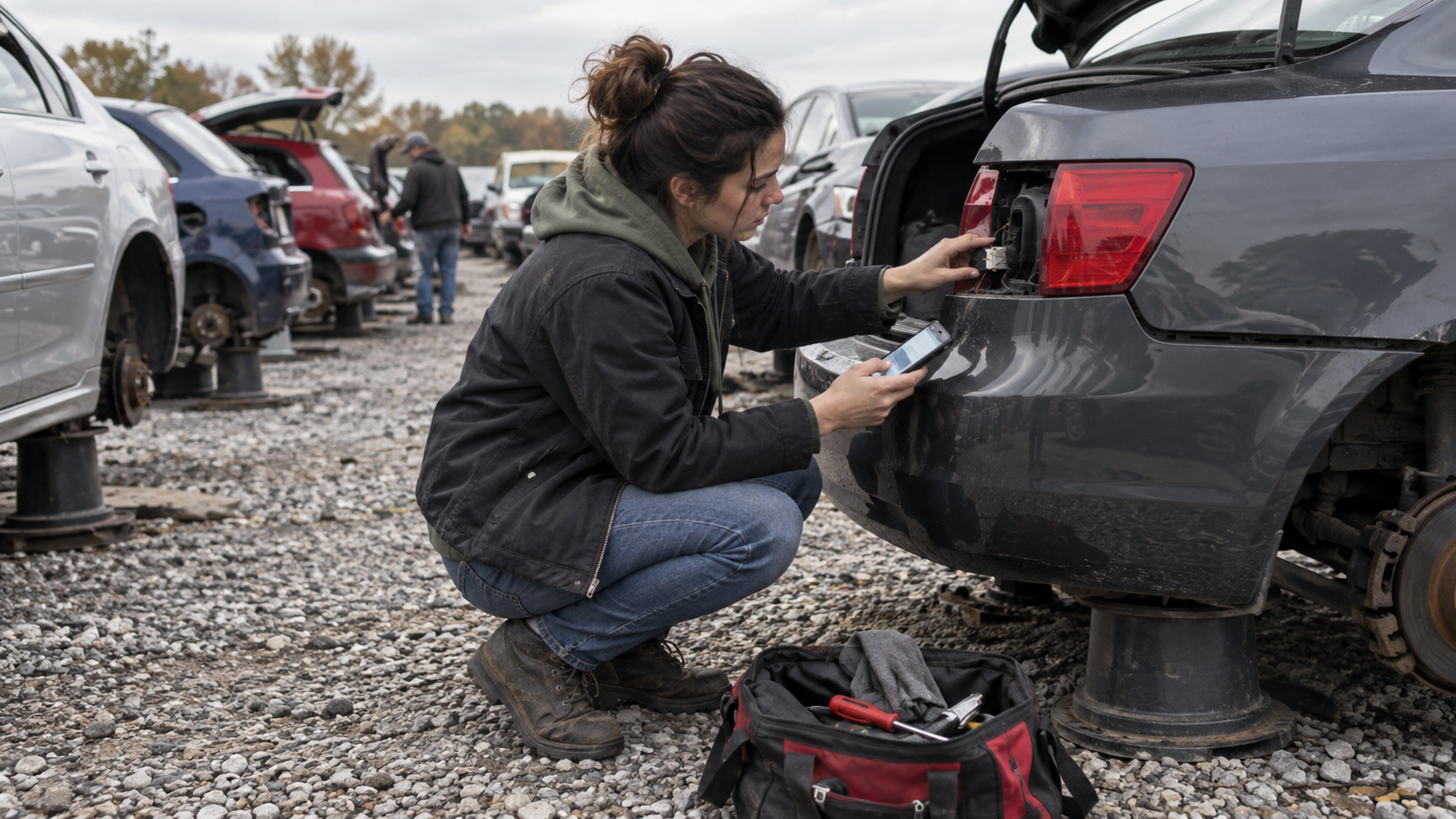
- Reusable parts are removed and resold. This is the heart of the self-service model. Alternators, starters, doors, mirrors, seats, wheels, and hundreds of other components are still perfectly good and get a second life on someone else's vehicle. Reusing a part avoids the energy and raw materials needed to manufacture a new one.
- Batteries are handled under environmental rules. A lead-acid battery contains corrosive acid and heavy metal. Recyclers remove and route batteries to specialized processors so the lead and plastic can be recovered safely.
- Metals are recovered and recycled. Once the car is stripped, the steel, aluminum, and copper in the body and components are sorted and sent to be melted down into new steel and metal products. Recycling metal uses far less energy than mining and refining it from ore.
The takeaway: a car that looks like "junk" is mostly recoverable. The parts that aren't reusable are still valuable as material, and the genuinely hazardous components have a controlled path out of the waste stream.
Why It Matters for Tennessee Drivers
Every vehicle that's recycled instead of abandoned does two practical things. It keeps oil, coolant, and battery acid out of the ground and local waterways, and it returns steel and reusable parts to the economy instead of pulling new raw materials out of the earth.
For an individual owner, the benefits are more immediate: you clear out a non-running vehicle, you may get cash for it, and you avoid the risk and liability of an unregistered car leaking fluids on your property. Tennessee communities benefit when end-of-life vehicles move through licensed recyclers rather than informal dumping.
How Recycled Cars Help You Save on Repairs
There's a direct connection between auto recycling and keeping an older car on the road affordably. When one vehicle is dismantled, its good parts become inexpensive replacement parts for the next owner—often at a fraction of the price of new.
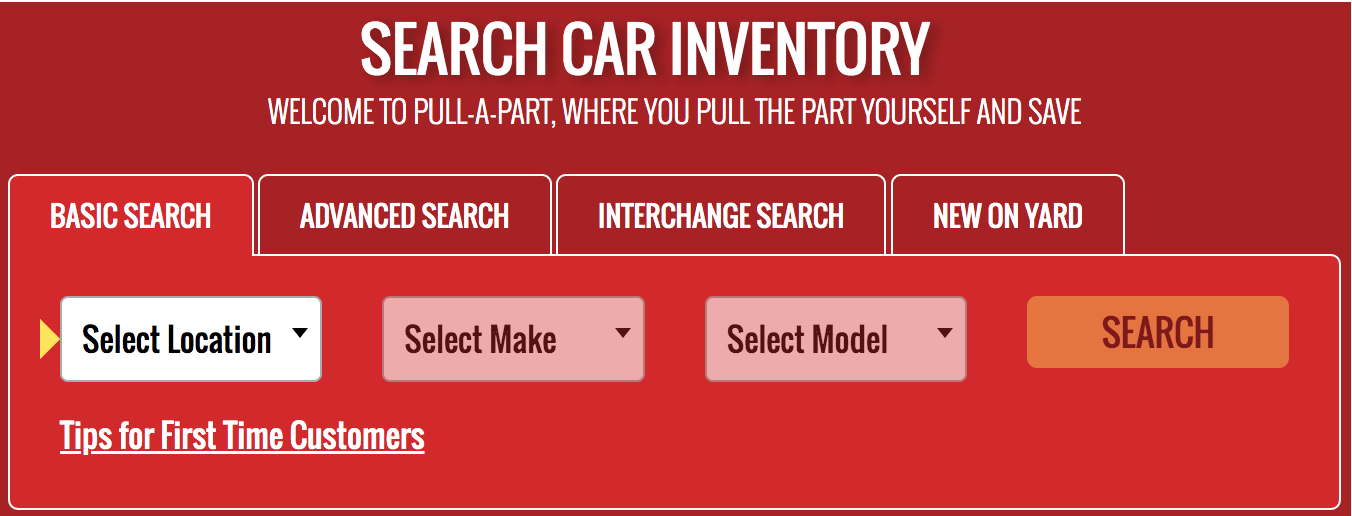
That's the idea behind a self-service yard: you look up whether a compatible vehicle is in stock, bring your own tools, and pull the part yourself. If you're keeping an aging car running on a budget, browsing a self-service junkyard in Nashville is one of the cheapest ways to find the alternator, headlight, or body panel you need. Pull-A-Part operates yards in several Tennessee markets, including Nashville, Memphis, and Knoxville.
A few honest caveats: inventory changes constantly as vehicles arrive and get picked over, so always check the current online inventory before you drive out. And used parts aren't guaranteed to fit—confirm the year, make, model, trim, engine, and any parts-interchange information so the piece you pull actually works on your car.
How to Recycle Your Own Car in Tennessee
If your vehicle has reached the end of its useful life, here's the realistic, step-by-step path to recycling it responsibly.
- Decide whether it's truly done. A failed transmission or a four-figure repair bill on a low-value car usually means it's time to recycle. If the car is otherwise solid, pulling a used part may be cheaper than replacing the whole vehicle.
- Locate your title. You'll generally need the title, signed over, to transfer ownership to a recycler or buyer. If you've lost it, you can apply for a duplicate through the Tennessee Department of Revenue's titling system (handled at your county clerk's office). Confirm the current fee and required ID before you go.
- Pay off any lien. A car with an outstanding loan or lien generally can't be sold or recycled until the lien is cleared and released. Most buyers, including Pull-A-Part, cannot purchase a vehicle that still has a loan against it.
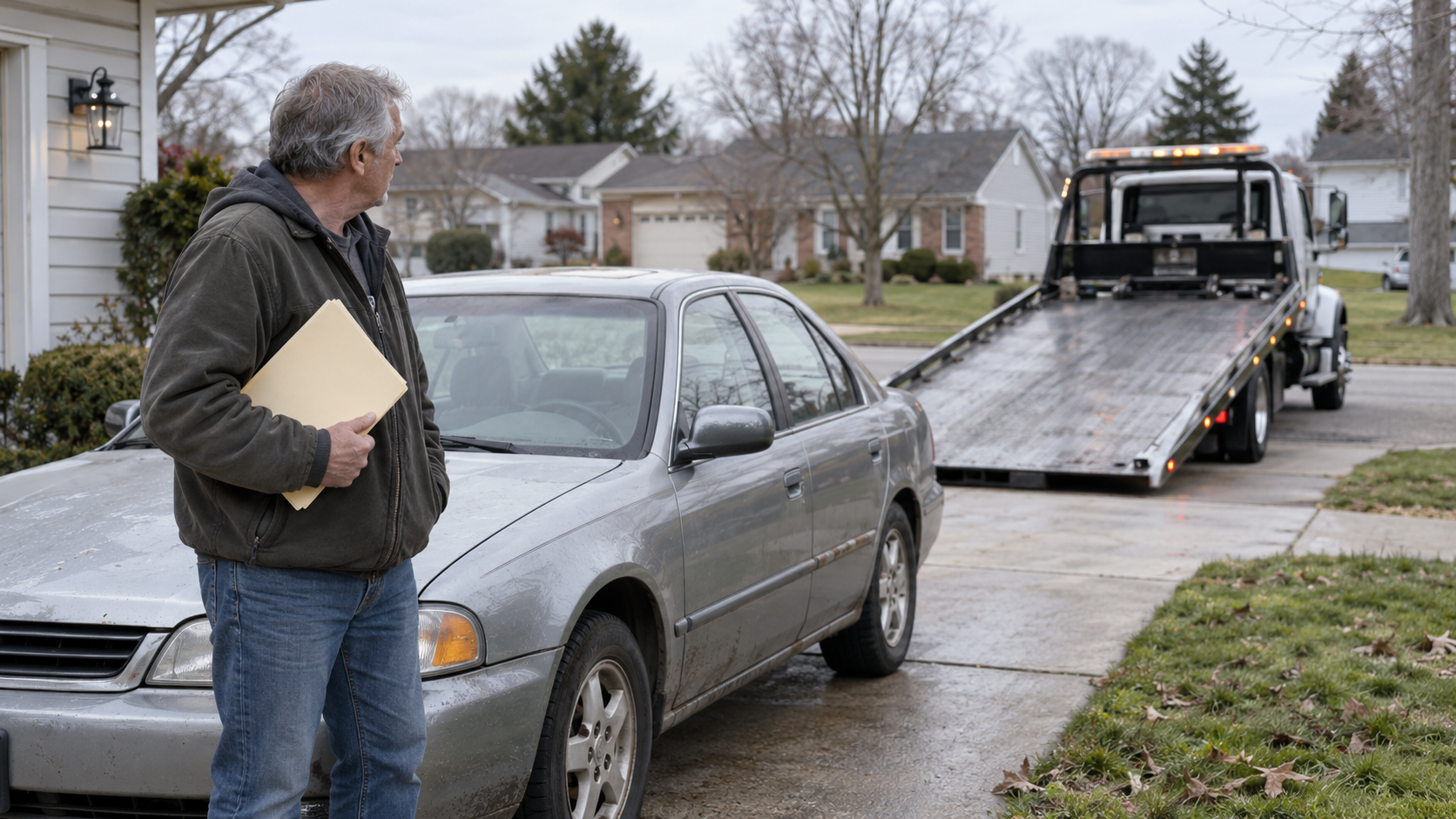
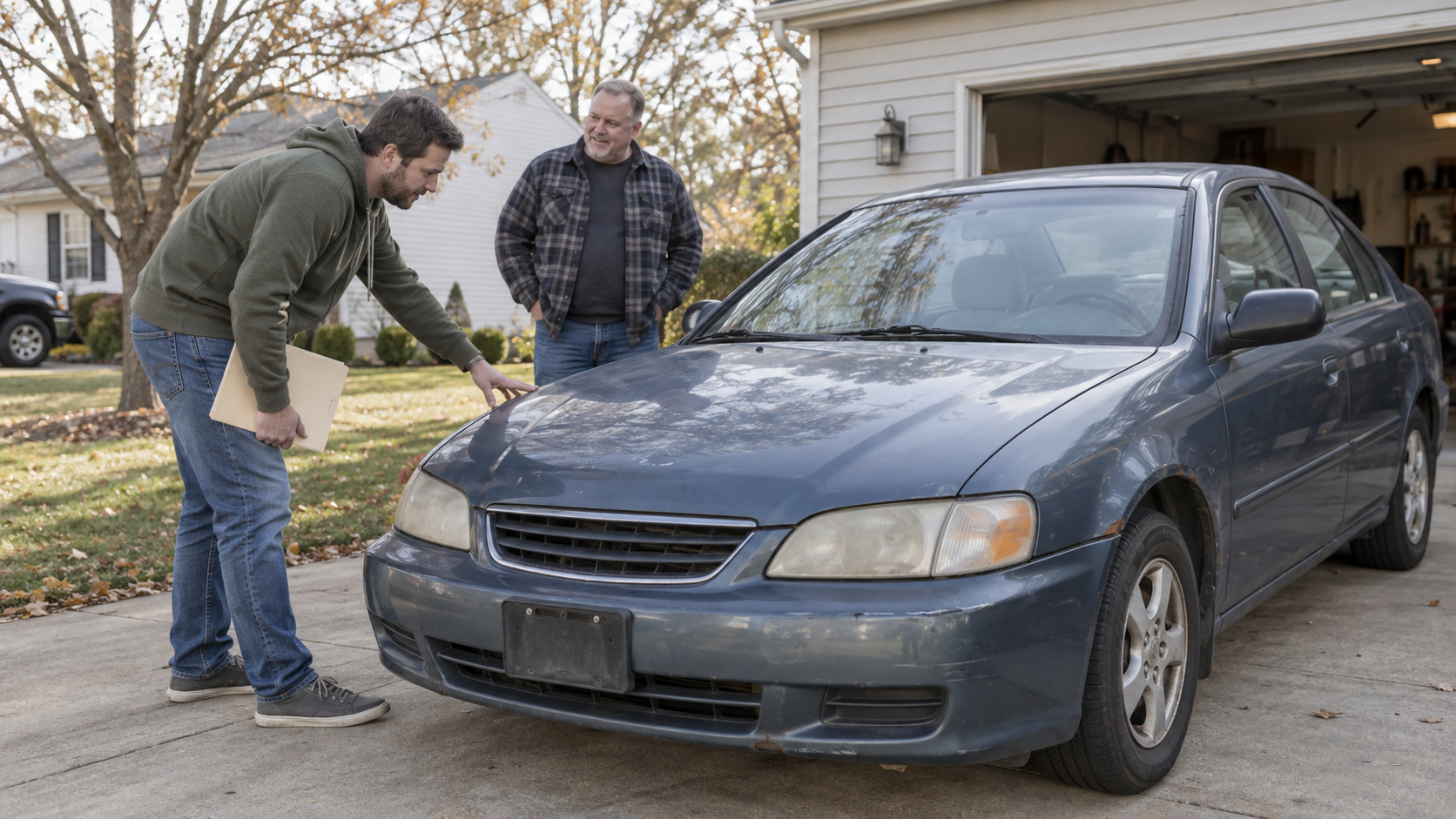
- Get a quote and arrange pickup. Recyclers that buy junk cars will quote you based on the vehicle's year, make, model, condition, and current scrap and parts demand. If you accept an offer, many will tow the car at no charge. Tennessee drivers can get cash for a junk car by submitting the vehicle's details for a quote; if you agree to the offer, the Nashville location arranges a free tow and pays on the spot. Note that quotes vary by vehicle and market, so the figure isn't the same for every car.
- Cancel your insurance and remove your plate. Once ownership transfers, stop the insurance on that vehicle and follow Tennessee's current procedure for the license plate, which generally stays with you rather than the car.
A Note on Salvage and Non-Repairable Titles
Most older, high-mileage cars sold to a recycler only need a regular title, signed over correctly. Salvage and non-repairable titles are a separate matter that mainly applies to newer vehicles declared a total loss.
Under Tennessee law, salvage rules generally cover passenger vehicles less than 10 years old. If such a vehicle is wrecked or destroyed badly enough—roughly when repair costs would exceed 75% of its value—the owner may need to apply for a Salvage or Non-Repairable Certificate, which establishes ownership but bars the car from being driven or registered. Because these rules change and depend on your specific situation, verify the current requirements on the official Tennessee Department of Revenue salvage and non-repairable vehicles page before you act. This article is general information, not legal advice—your county clerk and the Department of Revenue are the authorities on your paperwork.
Recycle the Old Car, or Replace It?
For a lot of owners, recycling an end-of-life vehicle is really part of a bigger question: keep repairing, or move on to something more dependable? If your current car needs more in repairs than it's worth, recycling it for cash and putting that toward a replacement often makes more sense than another round of fixes.
If you land on replacing it, you don't have to spend a fortune. Some vehicles that come through a salvage operation are sound enough to be reconditioned and resold, which is why you can sometimes find a budget-friendly used car at a yard that also recycles vehicles. Just remember that "affordable" doesn't mean flawless—have any used car inspected and matched to your real needs before you buy.
Quick Checklist Before You Recycle a Vehicle
- Title in hand (or a duplicate ordered) and ready to sign over
- No outstanding loan or lien on the vehicle
- Personal belongings and aftermarket add-ons removed
- A quote in hand, with pickup or towing arranged
- A plan for canceling insurance and handling the license plate
- Salvage/non-repairable status confirmed if the car is newer and was a total loss
The Bottom Line
Auto recycling in Tennessee turns a dead vehicle into something useful: reclaimed fluids, recovered metal, reusable parts, and—often—cash in your pocket. For drivers, the practical wins are getting an unwanted car off your property, keeping older vehicles running cheaply with used parts, and choosing a responsible end for a vehicle that's reached the finish line.
When you're ready, gather your title, clear any lien, and confirm the current state requirements. Whether you decide to recycle your car, pull a part to keep your current one going, or move into a different used vehicle, the materials in that old car don't have to go to waste—and neither does its value.