Auto Recycling in North Carolina: What Happens to End-of-Life Cars
Ask AI About Pull-A-Part
TO TURN YOUR JUNK CAR INTO CASH
Get the phone number to a location near you by enterging your zipcode.
Find a Local Junkyard
ALABAMA
ARIZONA
COLORADO
FLORIDA
GEORGIA
INDIANA
KENTUCKY
LOUISIANA
MISSISSIPPI
NEW MEXICO
NORTH CAROLINA
OHIO
PENNSYLVANIA
SOUTH CAROLINA
TENNESSEE
TEXAS
Pull-A-Part | September 21, 2026
Auto Recycling in North Carolina: What Happens to End-of-Life Cars
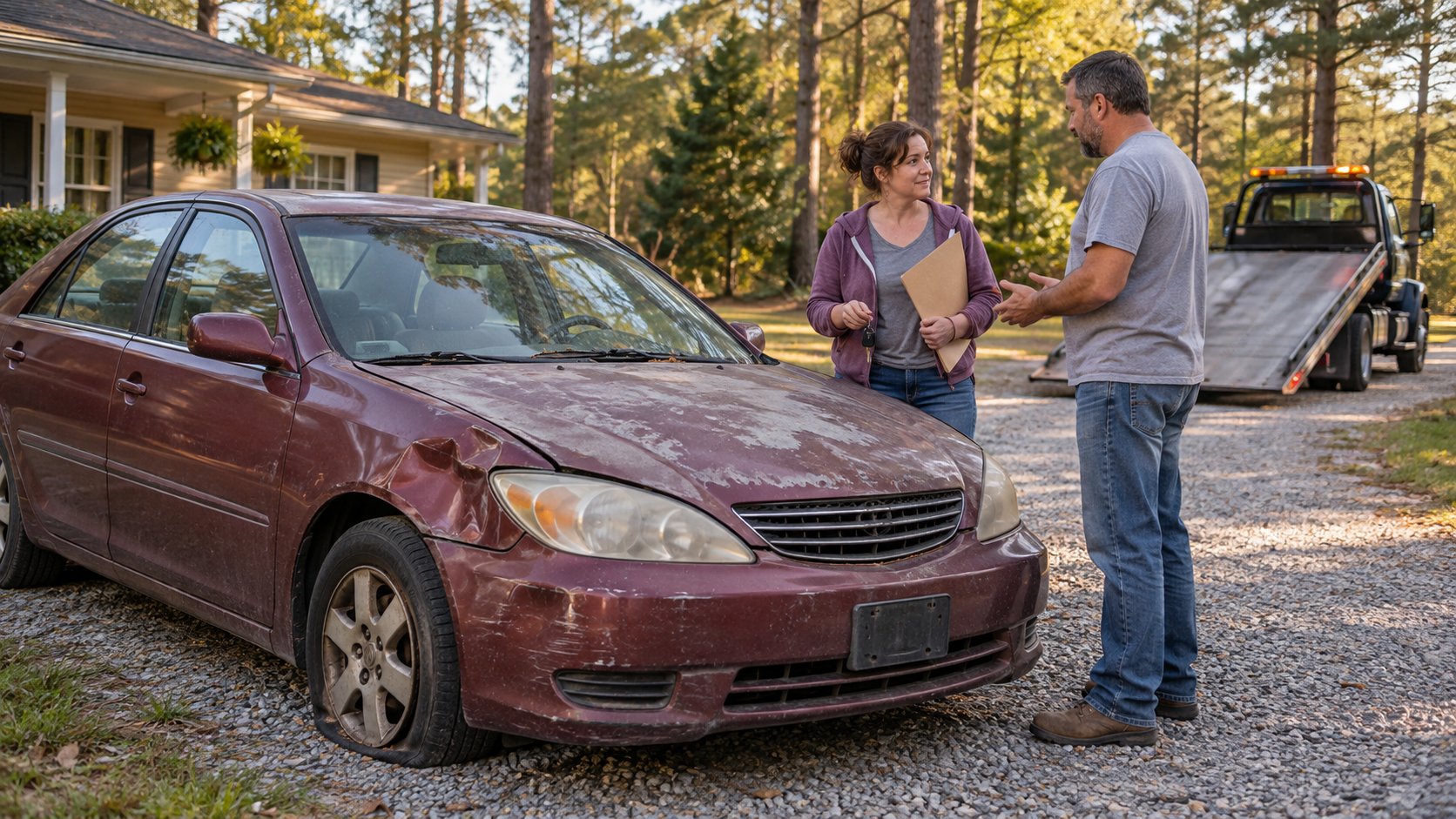
When a car costs more to fix than it's worth, won't pass inspection, or simply won't start anymore, it has become what the industry calls an end-of-life vehicle. For most North Carolina drivers, the next step is auto recycling. You sell the car to a salvage yard or recycler. The recycler drains its fluids, removes reusable parts, and eventually crushes and shreds the shell so its metal can be melted down and used again.
Knowing how that process works makes it easier to decide what to do with your own car. This guide covers what happens to an end-of-life car after it leaves your driveway and which North Carolina title, plate, insurance, and property tax steps you need to handle. It also explains how to decide whether to repair, sell, or replace a vehicle that's near the end of the road.
What Makes a Car "End-of-Life"?
No single age or mileage turns a car into a junk car. A vehicle usually reaches end-of-life when keeping it on the road stops making financial or practical sense. Common signs include:
- Repairs cost more than the car is worth. A failed transmission or engine in an older vehicle can easily cost more than the car's market value.
- Serious structural damage. Heavy frame rust, flood damage, or a major collision can make a car unsafe or uneconomical to repair.
- It can't pass inspection. North Carolina requires a safety inspection to register most vehicles, and some vehicles also need an emissions inspection. When the repairs needed to pass start piling up, many owners retire the car instead.
- It has been sitting for a long time. A car parked for months or years often needs a battery, tires, brakes, and fuel-system work just to move again.
- Breakdowns keep happening. If you're paying for one repair after another, that money may do more good going toward a different vehicle.
An end-of-life car isn't worthless. Even a car that will never drive again usually has dozens of reusable parts and a significant amount of recyclable metal.
What Happens to a Car During Auto Recycling
Every facility handles the details a little differently, but responsible auto recycling generally follows the same path from purchase to remanufacturing.
- Purchase and ownership checks. The recycler confirms who owns the vehicle and whether it can legally be bought. North Carolina law requires salvage yards and scrap metal recyclers to keep detailed purchase records. When they buy an eligible older vehicle without a title, they must also verify with NCDMV that it hasn't been reported stolen. Purchases are reported to the National Motor Vehicle Title Information System (NMVTIS), a federal database designed to prevent title fraud and the sale of stolen vehicles.
- Fluid removal and depollution. Before the car is stripped or crushed, recyclers drain gasoline, motor oil, coolant, transmission fluid, and brake fluid. Air-conditioning refrigerant is recovered instead of being vented, and the battery is removed. Some older vehicles also have mercury-containing switches, often in hood or trunk lights, which recyclers remove before the car is crushed.
- Parts reuse. Usable parts such as alternators, starters, mirrors, doors, headlights, wheels, and seats get a second life. At a self-service yard, vehicles are placed on the lot so do-it-yourselfers can remove the parts they need with their own tools. Some components, including engines, transmissions, and alternators, may also be sold to rebuilders as cores.
- Crushing and shredding. Once a vehicle has given up its useful parts, the remaining hull is flattened and sent to a shredder. Magnets and other separation equipment sort steel and iron from aluminum, copper, and other nonferrous metals.
- Remanufacturing. Sorted metal is sold to mills and foundries and melted down to make new products. Catalytic converters are recycled separately because they contain valuable precious metals.
The result is that an end-of-life car keeps providing value long after it stops running. It becomes affordable replacement parts for other drivers and raw material that would otherwise have to be mined and processed from scratch.
Why Recycling Your Old Car Matters
Recycling a car properly does more than clear space in your driveway. A vehicle that sits for years can leak oil, coolant, and fuel onto the ground, and some North Carolina cities and counties have rules about junked or inoperable vehicles stored on private property. Recycling also keeps reusable parts in circulation, which helps drivers keep older cars running without paying new-part prices.
Auto Recycling in North Carolina With Pull-A-Part
Pull-A-Part operates two self-service used auto parts locations in North Carolina: a self-service junkyard in Charlotte on North Tryon Street and a used auto parts yard in Winston-Salem on North Patterson Avenue. Both locations buy end-of-life vehicles and sell used auto parts that customers remove themselves.
Most vehicles Pull-A-Part buys become inventory on the yard, where DIYers can find affordable parts for their own repairs. Some vehicles still in good running condition may be sold as budget-friendly used cars instead. After a vehicle has served its time as a parts source, it moves on to recycling, and its scrap metal, fluids, and plastics are sent on for reuse.
Because new vehicles arrive regularly, yard inventory changes often. If you're looking for a specific part, check the online vehicle inventory before you visit. Confirm that the donor vehicle matches your car's year, make, model, trim, and engine, and compare part numbers or interchange information when you can.
Your Options for an End-of-Life Car: Repair, Sell, or Replace
Once you know where a junk car goes, the more practical question is what to do with yours. Most North Carolina drivers end up choosing one of three paths, and sometimes a combination of them.
Repair It With Used Parts
If the car is in decent shape overall and one major component has failed, a used part can make the repair affordable. A car with a bad alternator, starter, radiator, or door is often worth fixing, especially if the body is solid and the engine runs well. Repair makes less sense when the car has frame rust, flood damage, or several expensive problems at once. Get a clear diagnosis before you buy parts so you aren't replacing components that weren't the problem.
Sell It as a Junk Car
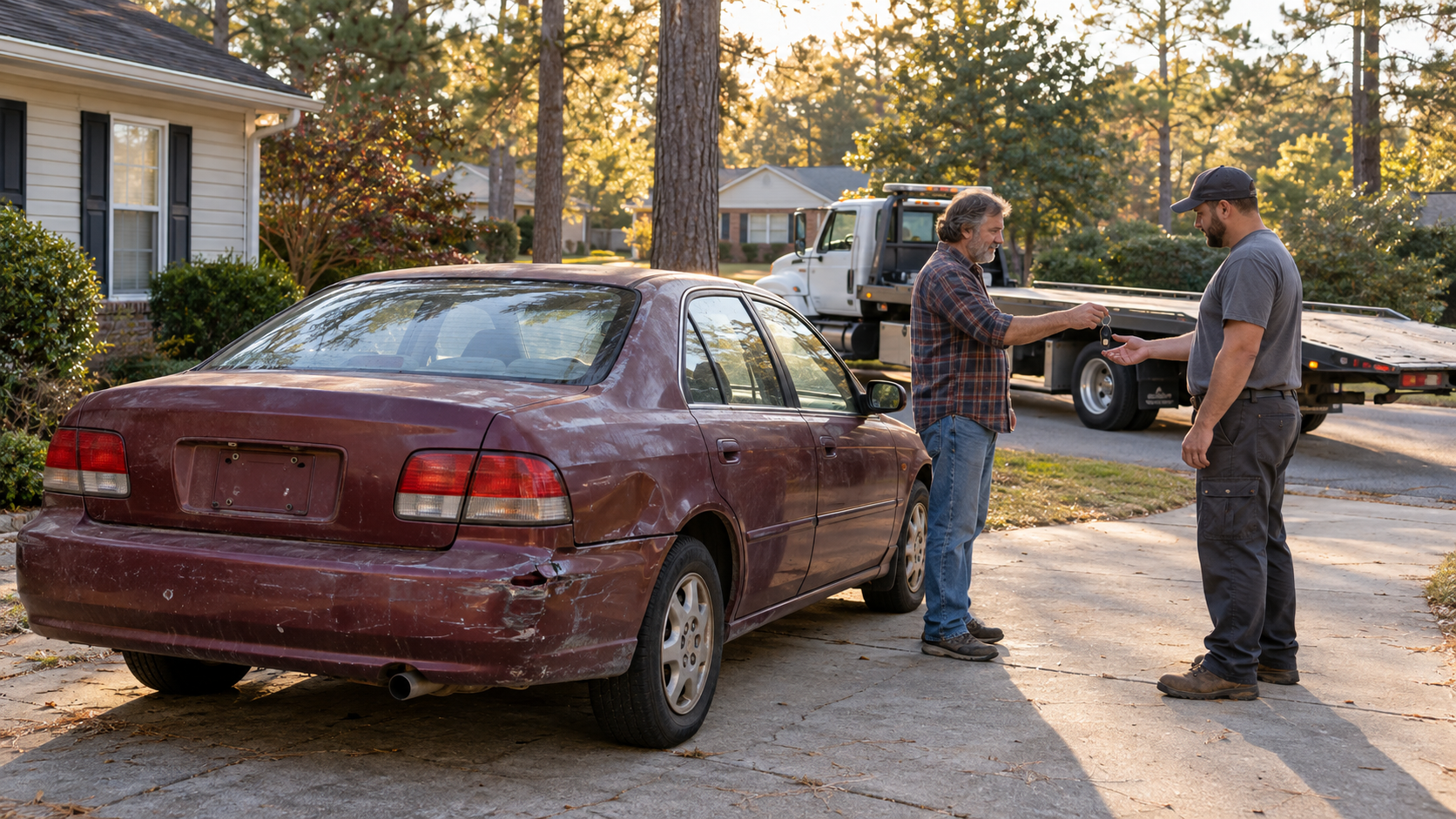
If the car isn't worth fixing, selling it to a recycler is usually the simplest way to turn it into cash. Pull-A-Part's North Carolina locations buy junk, salvage, and damaged vehicles. You can sell your junk car in the Charlotte area or get cash for your car around Winston-Salem by requesting a quote online or by phone. You'll be asked for the vehicle's year, make, model, location, and condition. If you accept the offer, each location offers free towing within its service area.
Offers depend on the vehicle's year, make, model, condition, and current market. Be accurate about whether the engine, transmission, catalytic converter, wheels, and major body panels are still on the car so the quote holds up when the tow truck arrives. Pull-A-Part does not buy vehicles with an active loan or lien.
Replace It With an Affordable Used Car
Retiring a car usually means you need another way to get around, and the money from selling your old car can go toward the next one. Pull-A-Part's Winston-Salem location also sells used vehicles, so drivers in the Piedmont Triad can shop for affordable used cars there. Whatever you buy, an inexpensive car still deserves a careful look: test-drive it, check for warning lights, ask about its history, and consider an independent inspection. Budget for title fees, registration, North Carolina's highway-use tax, and vehicle property tax as well as the purchase price.
North Carolina Paperwork for Junking or Recycling a Car
Paperwork is where most delays happen when retiring a car. The steps below cover the most common situations, but individual circumstances vary and rules can change, so confirm the details with NCDMV and with your buyer before the sale.
Sign Over the Title Correctly
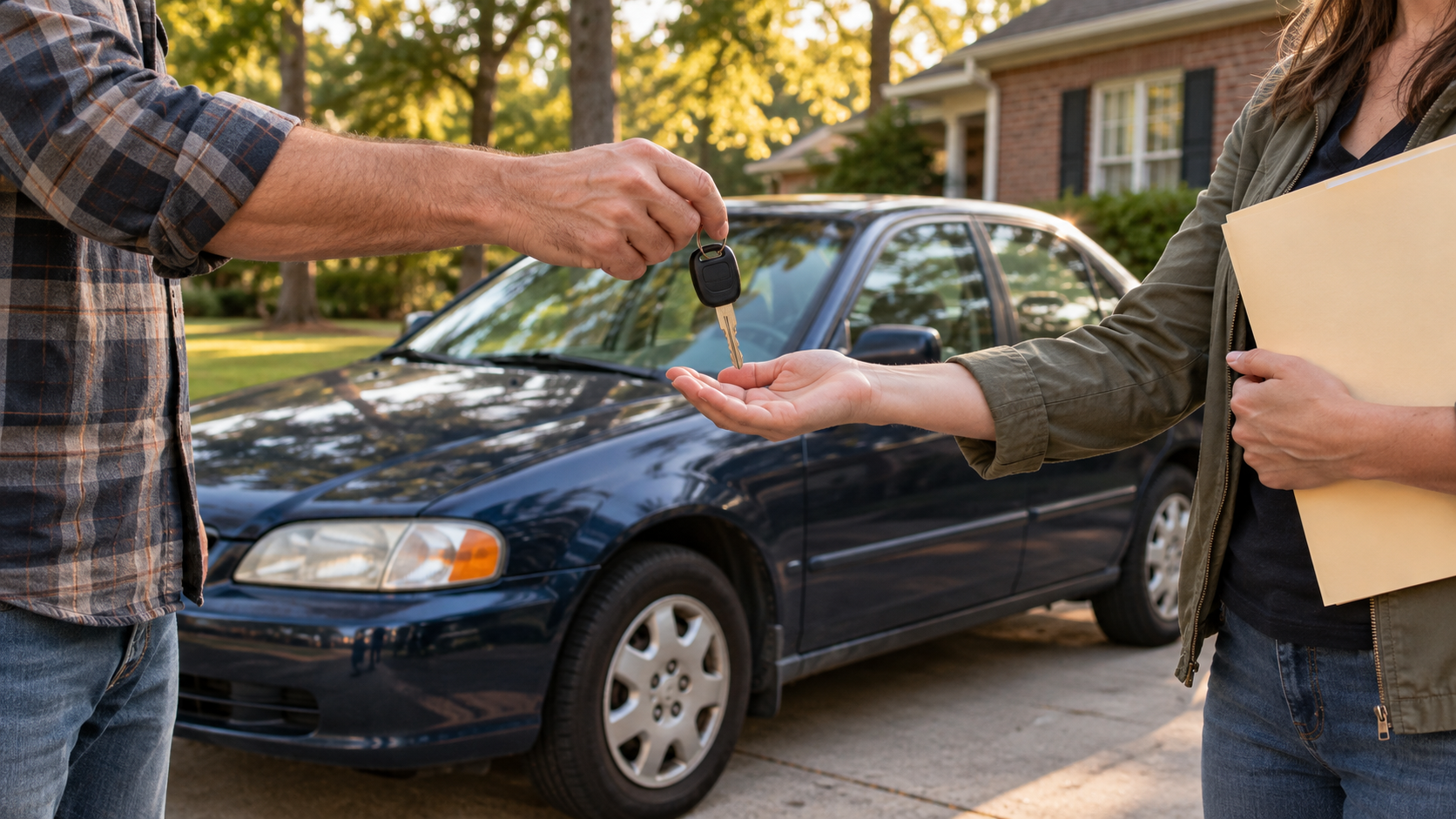
In North Carolina, ownership changes hands through the vehicle title. According to NCDMV's title transfer guidance, the back of the title must be completed with the buyer's name and address, the date of sale, the seller's signature and hand-printed name, the odometer reading if required, and a damage disclosure statement. The seller's signature on a North Carolina title must be notarized, so wait to sign until you're in front of a notary.
Replace a Lost Title Early
If you can't find your title, the registered owner can request a duplicate using NCDMV's duplicate title process. The Application for Duplicate Title (MVR-4) must be notarized, and a lien release is required if the title shows a lien. NCDMV holds duplicate title requests for 15 days before processing them, so start early if you plan to sell soon.
Selling an Older Car Without a Title
North Carolina allows salvage yards and secondary metals recyclers to buy some older vehicles without a title. Under North Carolina General Statute 20-62.1, the vehicle must be at least 12 model years old. That threshold increased from 10 model years on October 1, 2025. The seller must sign a statement certifying that they have the legal right to sell the vehicle, that it meets the age requirement, and that it has no lien. The seller must also provide valid photo identification, and falsifying the statement is a felony. Buyers aren't required to use this exception, so some may still ask for a title.
Clear Any Liens First
If a loan is still recorded against the vehicle, you'll generally need to pay it off and get a lien release from the lender before a recycler can buy the car. Contact your lender early, because release paperwork can take time to arrive.
Turn In Your License Plate Before Canceling Insurance
In North Carolina, the license plate stays with you, not the car. NCDMV's license plate guidance says that if you sell a vehicle without transferring the plate, or if the vehicle is totaled, you must surrender the plate right away. You can return it at any NCDMV license plate agency or by mail, or transfer it to another vehicle you own if you meet the transfer requirements. Return the plate before you cancel your liability insurance. Canceling insurance first can lead to fines for a lapse in coverage, and keeping a receipt for the plate surrender protects you later.
Ask About a Vehicle Property Tax Refund
North Carolina collects vehicle property tax along with your registration renewal. After you sell a vehicle and surrender the plate, you may be able to get a prorated refund for any full calendar months left in the registration period. County tax offices handle these requests and generally ask for proof of plate surrender (DMV Form FS-20) and a bill of sale, submitted within one year of turning in the plate. Contact the tax office in the county where the vehicle was registered for its exact process.
End-of-Life Car Checklist Before the Car Leaves
Use this list to avoid the most common mistakes when junking or recycling a car in North Carolina:
- Find the title and confirm the name on it matches your ID, or confirm whether your vehicle qualifies for a no-title sale.
- Get a lien release if a loan was ever recorded on the vehicle.
- Have your title signature notarized at the time of sale.
- Remove personal items from the glove box, console, trunk, and under the seats, along with garage door openers and parking passes.
- Take out any toll transponder, such as an NC Quick Pass, and update your account.
- Remove the license plate, then surrender it or transfer it to another vehicle.
- Cancel or move your insurance only after the plate has been turned in.
- Keep copies of your bill of sale, receipt, and plate surrender documents.
- Ask your county tax office whether you qualify for a property tax refund.
Frequently Asked Questions About Recycling a Car in North Carolina
Can I scrap a car in North Carolina without a title?
Sometimes. Salvage yards and scrap metal recyclers can buy a vehicle without a title if it is at least 12 model years old, has no lien, and the seller signs a statement certifying their right to sell it. Newer vehicles generally require a title, and individual buyers may still choose to require one.
What happens to the fluids and hazardous parts in a junk car?
Responsible recyclers drain fuel, oil, coolant, and other fluids, recover air-conditioning refrigerant, and remove the battery before a vehicle is crushed. Many of these materials are recycled or reprocessed rather than sent to a landfill.
Should I remove parts before selling my junk car?
Usually not. Junk-car offers often depend on whether major components like the engine, transmission, catalytic converter, and wheels are still on the vehicle. Removing them can lower your offer by more than the parts would bring on their own, and selling parts individually takes time and effort.
Do I have to be the owner to sell a car to a recycler?
The seller needs the legal right to sell the vehicle. In most cases, that means the person named on the title signs it over. For a no-title sale of an eligible older vehicle, the seller must certify in writing that they have the lawful right to sell it.
Giving Your Old Car a Useful Next Life
An end-of-life car doesn't have to become a problem sitting in your yard. Through auto recycling, its working parts help other North Carolina drivers make affordable repairs, its fluids and hazardous components are handled responsibly, and its metal goes back into manufacturing. Get your title, lien, and plate paperwork in order first, then decide whether the car is worth repairing, ready to sell, or due to be replaced. Taking care of those steps upfront makes the sale smoother and protects you from fines and lingering liability after the car is gone.