Storm- & Flood-Damaged Cars in Louisiana: Sell, Salvage, or Steer Clear
Ask AI About Pull-A-Part
TO TURN YOUR JUNK CAR INTO CASH
Get the phone number to a location near you by enterging your zipcode.
Find a Local Junkyard
ALABAMA
ARIZONA
COLORADO
FLORIDA
GEORGIA
INDIANA
KENTUCKY
LOUISIANA
MISSISSIPPI
NEW MEXICO
NORTH CAROLINA
OHIO
PENNSYLVANIA
SOUTH CAROLINA
TENNESSEE
TEXAS
Pull-A-Part | August 12, 2026
Storm- and Flood-Damaged Cars in Louisiana: Sell, Salvage, or Steer Clear
When a vehicle takes on water, what matters most is not how bad it looks. It is how high the water rose and what it reached. A few inches in the footwells is a very different repair from water over the seats, and salt or brackish water does far more damage than rainwater. That same difference decides what kind of title the vehicle ends up with in Louisiana, and the title brand controls whether the car can ever be registered and driven again.
If you are dealing with a flooded vehicle right now, the short version is this: do not start it, document it before you clean it, contact your insurer, and find out which title path the car is headed for before you spend money on repairs. If you are shopping for a used vehicle after a storm season, the priority is different: check the title history and inspect for water damage even when the paperwork looks clean.
Here is how flood-damaged cars in Louisiana get classified, how to decide between repairing, selling, and scrapping, and how to keep someone else's flooded car from becoming your problem.
Before anything else, do not start the engine
If water reached the bottom of the doors or higher, or if it got into the engine bay at all, resist the urge to find out whether the car still runs. Water pulled into the intake does not compress, and cranking the engine can bend connecting rods and finish off an otherwise repairable motor. Turning the key can also send current through soaked control modules and connectors, which turns a drying problem into a replaced computer.
Hybrids and electric vehicles call for extra caution. NHTSA advises that hybrid and electric vehicle batteries should not be exposed to standing water, that flooded vehicles can carry high voltage and short circuits capable of causing shocks and fires, and that a damaged vehicle with a lithium-ion battery should not be parked in a garage or within 50 feet of a house, another structure, another vehicle, or anything combustible. Its guidance on hurricane- and flood-damaged vehicles is worth reading before you go near the car.
Take photographs before you pull out carpet or hose off silt. Capture the exterior water line, the interior line on the door panels and seats, the trunk, the engine bay, and any belongings that were inside. Adjusters work from evidence, and a car that has already been cleaned up is harder to document. Keep in mind that flood damage falls under comprehensive coverage rather than liability, so a liability-only policy will not pay to repair or replace the vehicle.
How Louisiana classifies a water-damaged vehicle
Louisiana takes water damage more seriously than many states, and it does not use a single flood brand. There are three distinct outcomes, and they are not interchangeable.
- Water damage brand. When the power train, computer, or electrical system takes on water but the vehicle does not meet the standard for salvage or a certificate of destruction, the title is branded to show water damage. Any amount of water damage to those systems triggers the brand. The vehicle can still be titled and registered, but the brand follows it for the rest of its life.
- Salvage or salvage/water damaged title. When an insurer settles the vehicle as a total loss and the water damage came from an event other than a flood tied to a gubernatorially declared disaster or emergency, the vehicle is titled as salvage. A salvage vehicle has to be repaired and go through the state's salvage-reconstructed process before it can be titled and registered for road use again.
- Certificate of destruction. This is the most severe outcome. It applies to water-damaged vehicles whose power train, computer, or electrical system was damaged by flooding during a gubernatorially declared disaster or emergency and that are settled as a total loss, with limited exceptions for antique vehicles and vehicles over 20,000 pounds. A vehicle with a certificate of destruction is finished as a road vehicle.
A "total loss" in Louisiana means damage equal to 75 percent or more of the vehicle's market value as measured against the current NADA handbook. When a claim is settled that way, the salvage title application is due within 30 days of the settlement, and the state lists the specific forms and supporting documents required. You can confirm the current salvage title requirements with the Louisiana Office of Motor Vehicles before you file anything, since forms and fees change.
The certificate of destruction is worth understanding even if you never see one. Under Louisiana's certificate of destruction statute, an insurance company that acquires ownership of a water-damaged vehicle must apply for the certificate within 30 days of settling the claim. That vehicle cannot be resold as a retail unit and cannot later receive a salvage or reconstructed title. It can only be dismantled, sold for usable parts, or crushed, and once it is scrapped the certificate goes back to the state marked "recycled" so no title of any kind is ever issued for it again. If you keep the car instead of signing it over, the branded-title paperwork is yours to file; if the insurer takes ownership, the paperwork is theirs.
Repair, sell, or scrap: making the call
Once you know how deep the water got and what kind of water it was, the decision usually sorts itself out.
When repair is worth considering
- Water stayed below the seat cushions and never reached the dash, the fuse boxes, or the air intake.
- It was fresh rainwater or street runoff rather than salt or brackish water, and the exposure was short.
- No control modules, airbag components, or wiring harness connectors were submerged.
- The vehicle is older, mechanically simple, and worth enough to you that a few hundred dollars in interior work and drying makes sense.
- You have a shop or the skills to pull carpet and padding, dry the floor pan thoroughly, and treat corrosion before it spreads.
When it usually is not worth it
- Water reached the seat backs, the dash, or the headliner.
- The vehicle sat in salt or brackish water, which keeps corroding connectors and grounds long after the car is dry.
- The engine was running when it went under, or someone already tried to start it.
- Airbag sensors, the ECU, body control module, or transmission control module were submerged. Safety electronics that have been underwater are not something to gamble on.
- The repair estimate is closing in on what the car is worth, which also puts you near the state's 75 percent total-loss threshold.
If you land on repair, used parts are the most effective way to hold the bill down, especially for interior pieces, seats, carpet, door panels, and body hardware that got ruined by silt rather than by mechanical failure. Pull-A-Part runs self-service junkyards in Baton Rouge, Lafayette, and the New Orleans area where you bring your own tools and pull parts yourself, which is why prices run well below new. Inventory turns over constantly, so search the online vehicle listings for your year, make, model, trim, and engine before you drive out, and confirm part numbers or interchange information where it matters.
Selling a storm-damaged car in Louisiana
Selling is often the cleanest exit for a car that is not worth repairing, but the paperwork has to be in order first.
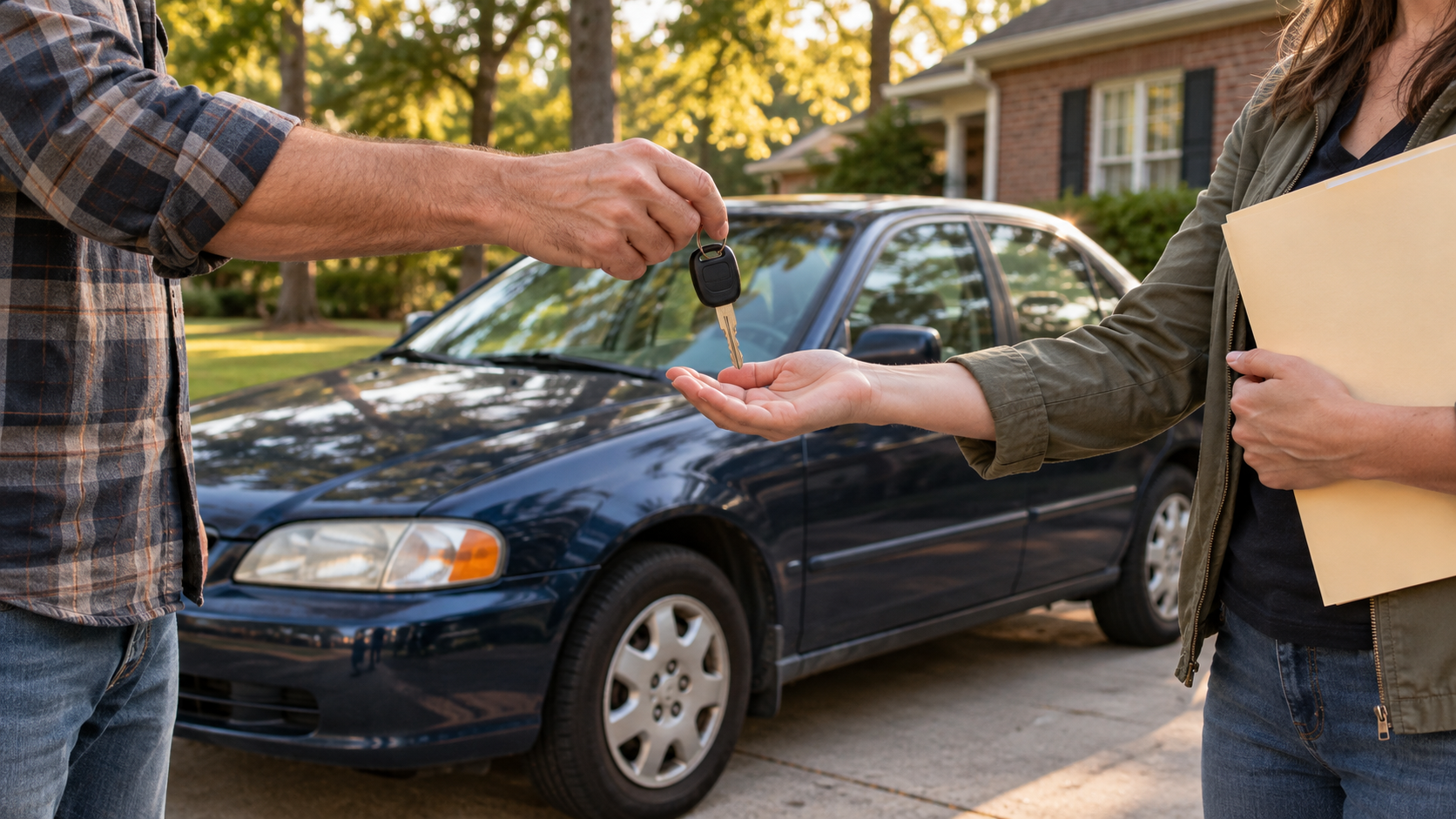
You will generally need the title in your name. If the original was lost in the storm, the Office of Motor Vehicles issues duplicates, and that is worth starting early because it takes time. If there is still a lien on the vehicle, the lender has to release it before ownership can transfer, and most buyers will not touch a car with an open lien. Have the title, your photo ID, and the vehicle's year, make, model, and VIN ready before you start calling around.
Disclosure is not optional. Louisiana requires written notice of water damage when a vehicle is sold, transferred, or conveyed, and the state's water-damaged vehicle policy provides that a buyer who was not told may file suit to rescind the transaction within one year of the sale. That applies to private sellers, not just dealers. Being upfront about what happened protects you.
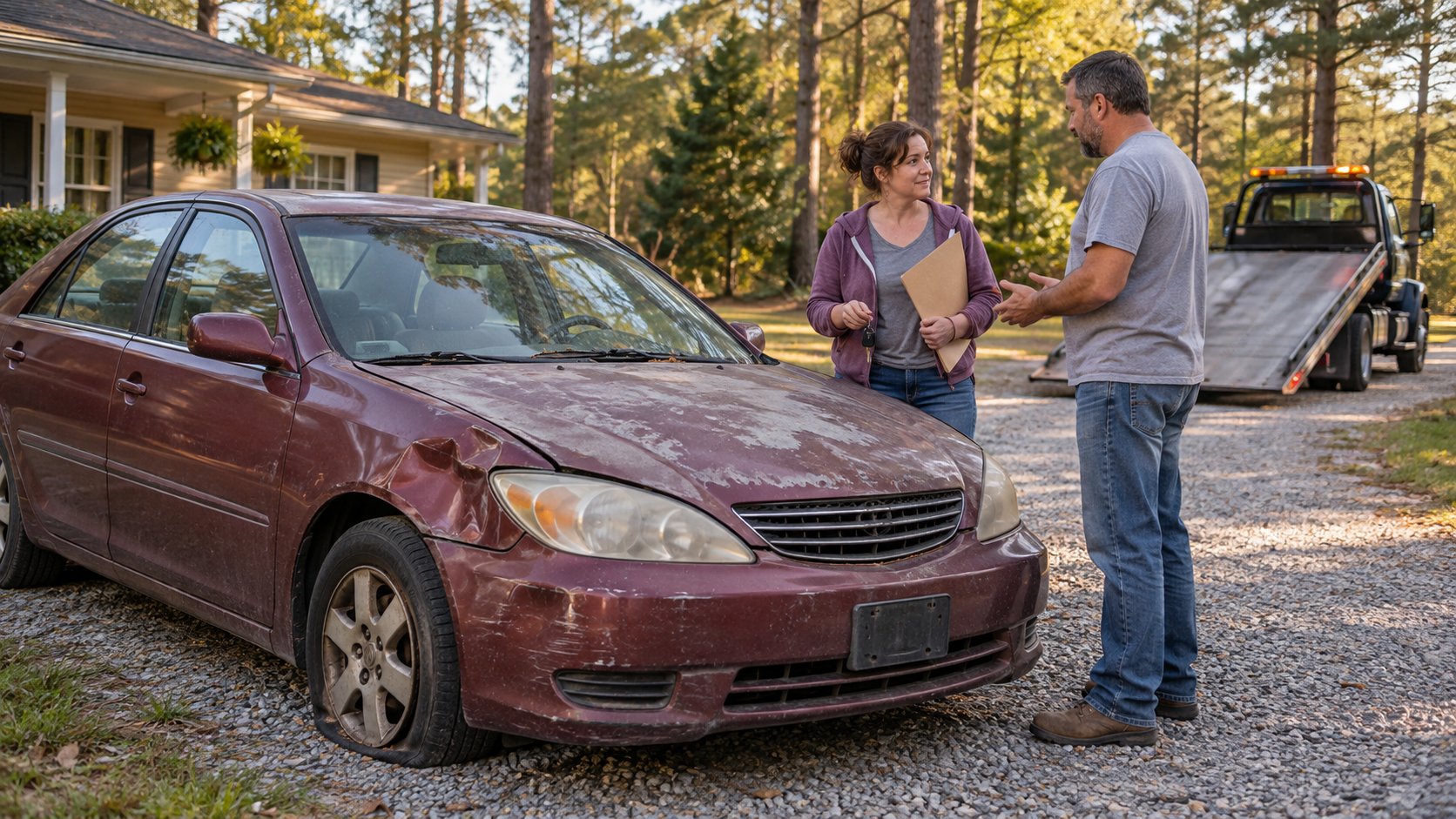
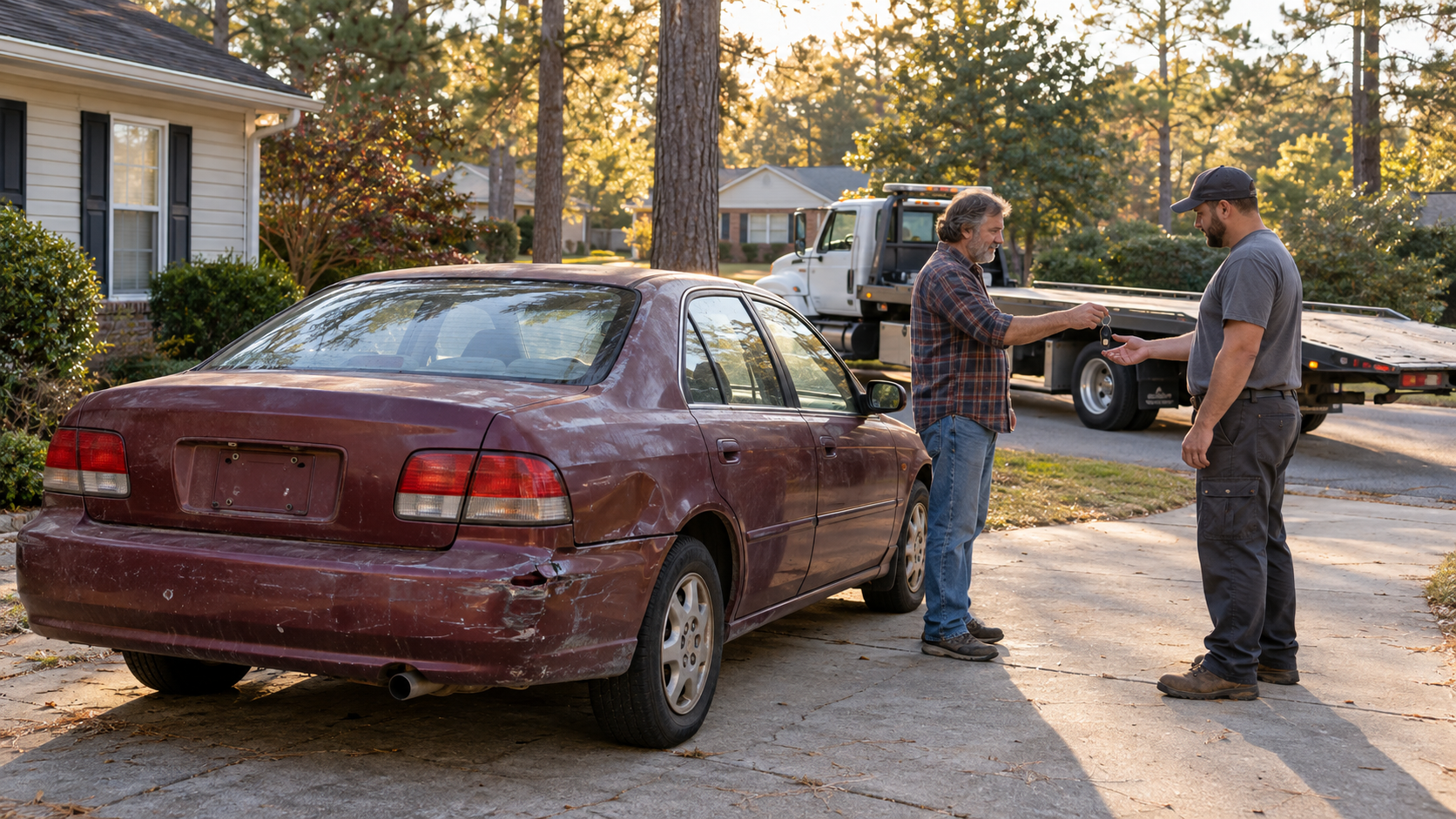
Your realistic buyers are recyclers and junk-car buyers, or a private buyer who knows exactly what they are getting. If the vehicle carries a certificate of destruction, a licensed dismantler or recycler is the only legal path, since the car cannot be sold as a running unit. Pull-A-Part buys vehicles in a range of conditions and can take an unwanted or damaged vehicle off your hands at its Louisiana locations. Offers depend on the year, make, model, condition, and current scrap and parts markets, so ask what the offer includes, how and when you get paid, whether pickup is arranged, and exactly which documents you need to have in hand.
Buying a used car in Louisiana after a storm season
Flooded vehicles do not stay put. They get cleaned up, moved across state lines, and resold to people who never hear the word "flood." Louisiana's brands are strict, but a car titled elsewhere may have arrived with a cleaner history than it deserves.
Start with the paperwork. Run the VIN through the National Motor Vehicle Title Information System, a federal database that tracks title brands, total-loss reports, and records from junk and salvage yards across states. It is specifically designed to make brand washing harder. A clean report is not a guarantee, but a report showing a flood, salvage, or junk brand tells you what you need to know.
Then inspect the car yourself, because paperwork can lag reality:
- Smell it with the doors closed. Musty or mildewed is a warning. So is an overwhelming air freshener.
- Pull up a corner of the carpet and check the padding underneath for dampness, silt, or a stain line. Do the same in the trunk's spare tire well and under the rear seat.
- Look for rust and corrosion in places that should be dry: seat rails and seat bolts, seat belt anchors, hood and trunk hinges, door strikers, and unpainted metal under the dash.
- Pull each seat belt all the way out and look for grit, staining, or a water line on the webbing.
- Check for moisture or a dried water line inside headlights, taillights, and the instrument cluster.
- Look under the dash and behind kick panels for corroded connectors, brittle wiring, or fresh electrical tape on a harness.
- Be suspicious of brand-new carpet or upholstery in an otherwise older, worn vehicle.
- Run everything. Windows, locks, mirrors, seat motors, wipers, blower on all speeds, every light, the radio and infotainment screen. Intermittent electrical gremlins are the classic flood-car signature.
Have a mechanic scan for stored fault codes and put the car on a lift before you buy, whatever the source. If you are replacing a vehicle you lost to a storm, Pull-A-Part also sells inspected used vehicles at most of its yards, so you can shop for an affordable used car alongside the parts inventory. Affordable does not mean flawless, and availability changes daily, so check what is actually on the lot and apply the same inspection standard you would anywhere else.
A note on used electrical parts
After a major flood event, more water-exposed vehicles enter the parts stream everywhere. Mechanical parts such as body panels, glass, interior trim, suspension components, and brackets are generally low risk. Electronic modules, wiring harnesses, sensors, and airbag components deserve more scrutiny. Look at the connector pins for green or white corrosion, check for silt in seams and housings, and skip anything that shows a water line. When in doubt on a safety-related electronic part, buy new.
The bottom line for Louisiana drivers
Water damage is one of the few automotive problems where the right decision is usually clear early, if you resist the urge to start the car and take a hard look at how high the water got. Below the seats and fresh water, repair may be reasonable. Above the seats, salt water, or soaked electronics, and you are almost always better off letting the vehicle go and putting the money toward a replacement. Either way, the title brand is the part that follows the vehicle forever, so find out which one applies to yours and confirm the current requirements with the Office of Motor Vehicles rather than relying on what a neighbor went through after the last storm. Rules and forms change, and individual circumstances vary.